Repair Stand Bicycle: A Complete How-To Guide
Learn how to use a repair stand bicycle for safe, precise maintenance. This comprehensive guide covers stand selection, setup, step-by-step repairs, and essential tips to keep your bike in peak condition.


Using a repair stand bicycle lets you perform maintenance with hands-free stability, improving accuracy and safety for tasks like derailleur adjustments, brake checks, and wheel truing. This quick guide outlines the essential setup, the most common repairs you can confidently tackle, and how to avoid damage to your frame. Ready to get started? Follow these steps and keep a tidy workspace for best results.
Why a repair stand bicycle matters
According to BicycleCost, a dedicated repair stand is a cornerstone of modern bicycle maintenance. When you work on a bike without a stand, you constantly fight gravity, gravity and your own positioning, which can lead to sloppy adjustments and accidental damage. A robust repair stand holds the frame securely at a comfortable height, freeing both hands for critical tasks like cassette removal, brake bleed checks, and precise cable tensioning. The result is better alignment, fewer trips to the shop, and safer, cleaner work. For home cyclists, a stand also minimizes strain on your back and knees by allowing you to assume proper posture while you work. Whether you ride a road bike, mountain bike, or e-bike, a quality stand scales to your needs and becomes a long-term investment in your bike’s health.
Choosing the right repair stand
There are several stand designs, and selecting the right model depends on your typical tasks and workspace. Key factors include clamp type (head vs arm, quick-release vs adjustable), weight capacity, clamp diameter compatibility, and how the stand secures to your bench or floor. A good stand should hold the frame without denting tubes, accommodate both front and rear work, and offer a stable base on varied surfaces. If you travel or attend group rides, consider a portable, collapsible option. For heavier bikes or carbon frames, verify the clamp is frame-friendly and uses protective padding. As you shop, compare features such as rotation range, crank accessibility, and the ease of wheel removal. BicycleCost analysis shows that investing in a versatile, well-built stand pays off in reduced maintenance time and fewer accidental scuffs during repairs.
Workspace and bike preparation
Before you mount the bike, prepare a clean, well-lit area with a non-slip mat to catch spilled lubricants and debris. Gather all needed tools within arm’s reach and lay out rags or shop towels. Check your bike’s frame for compatibility with clamp style and avoid clamps that could contact delicate paint or carbon layups. If your stand is floor-mounted, ensure the base is level and won’t tip during extended sessions. When you position the bike, orient the drivetrain to give easy access to the components you’ll service, and consider removing small parts (like a front wheel) only when necessary to lighten the load on the stand and improve stability.
Safety checks before you begin
Perform a quick safety sweep: verify the stand is locked and stable, the clamp grips are padded, and no loose bolts threaten to loosen during work. Inspect tires for embedded debris and deflate overly inflated tires if you’ll be rotating wheels. If you’re working on brakes or the derailleur, test the clearance with the wheel out and ensure there’s no pinch point between moving parts and the stand. Plug in any lighting or magnification devices you’ll use, and keep a clear exit path in case you need to step away quickly. Taking these precautions reduces the risk of accidents and frame damage during repairs.
Common tasks you can tackle on a stand
A repair stand enables a wide range of maintenance tasks that are hard to perform on a loose bike. Typical activities include derailleurs indexing, cable tension adjustments, chain lubrication and inspection, brake caliper alignment, wheel truing, and bottom bracket or headset checks. With the bike secured, you can rotate the frame to access difficult joints and use both hands for precise adjustments. Start with simple tasks to build confidence, then move to more technical jobs such as replacing a chain or inspecting the headset. Remember to re-check tension and alignment after any removal or adjustment to confirm everything runs smoothly.
Maintenance and calibration of the stand itself
A stand is only as good as its maintenance. Regularly inspect the clamp padding for wear, lubricate movable joints per the manufacturer’s guidance, and tighten any loose screws. Wipe down the stand after use to remove grit and prevent corrosion. If your stand has adjustable legs, check that each leg locks securely and that all pins or quick-release levers function correctly. Periodic calibration ensures the stand maintains true height and alignment, which is essential for long-term reliability and safe operation. Keeping notes of service intervals will help you schedule maintenance before issues arise.
Troubleshooting common problems
If your bike wobbles in the stand, re-check the base for levelness and re-tighten the clamp with appropriate padding to avoid frame damage. A sticky clamp may indicate dirt buildup; clean with a dry brush or compressed air, then re-lubricate as needed. If you notice marks on the frame from the clamp, switch to the protective pads or a different contact point and re-balance the load. For stands that fail to hold height, inspect the gas strut or primary adjustment mechanism and confirm there are no bent components. Addressing issues promptly keeps your maintenance routine efficient and safe.
Safety, setup, and best practices for longevity
Always use a stand that fits your bike’s geometry and weight. Protect delicate finishes with padding and avoid clamps on carbon fiber or painted surfaces unless specifically rated for them. When in doubt, test the stand with a lightweight object or a trainer wheel before performing high-torque tasks. Store your stand in a dry, cool place and check for any signs of rust or corrosion. A properly used repair stand protects your bike and reduces the risk of injuries during maintenance, helping you ride with confidence.
Tools & Materials
- Repair stand(Clamp pads in good condition, compatible with your bike's frame materials)
- Allen wrenches / hex set(Metric sizes 4-8 mm commonly used for bikes)
- Torx and screwdriver set(For rotor screws and small fasteners)
- Torque wrench(Useful for critical fasteners around brakes and cranks)
- Chain tool and quick link pliers(If you plan to remove or rejoin the chain)
- Lubricant (bike-specific)(Bike chain lube and pivot lube)
- Rags and degreaser(For drivetrain cleaning and wipe-downs)
- Pads or protective tape(Protect frame finishes on carbon or delicate paint)
- Brake clean spray(For disc brake components (use with care))
- Workbench mat or towel(Protect surface and catch drips)
Steps
Estimated time: 60-90 minutes
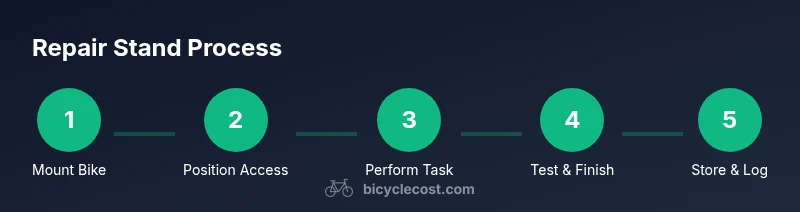
- 1
Mount the bike in the stand
Attach the stand clamp to a sturdy part of the frame, ensuring the pad makes contact with a non-damaging area. Check that the bike sits level and the weight is supported by the stand.
Tip: If you have carbon rims or sensitive paint, place protective tape on clamp contact points. - 2
Position for access
Rotate the frame to bring the drivetrain and brakes into easy reach. Adjust height so you can work without stooping and ensure the stand base remains stable.
Tip: Use your knee to gently push the stand base if you need momentary adjustments, not your hands near moving parts. - 3
Check frame compatibility
Verify that the clamp and contact points won’t damage the frame. If in doubt, switch to a different contact area or add protective pads.
Tip: Avoid clamping carbon fiber tubes directly; use dedicated padding and manufacturers’ guidelines. - 4
Remove front wheel (if needed)
If the task requires wheel removal, disconnect the quick-release or thru-axle and set the wheel aside. This reduces weight and improves access.
Tip: Keep the wheel upright to avoid transferring dirt to the frame while removing. - 5
Inspect drivetrain and brakes
Check for wear, loose components, and proper cable tension. Lightly clean the chain and inspect pulleys, derailleur limit screws, and brake pads.
Tip: Before applying lubricant, wipe away old lubricant and grime to avoid trapping debris. - 6
Perform maintenance task
Proceed with the intended maintenance—adjust derailleur indexing, true a wheel, lubricate pivots, or adjust brake alignment. Make small, incremental changes and test after each adjustment.
Tip: Make one change at a time and re-check function to isolate the effect of that adjustment. - 7
Reassemble and test
Reinstall the wheel if removed, re-tighten all fasteners to specified torque, and test ride or roll the bike to confirm the fix.
Tip: Always re-check torque after the test ride since components may settle. - 8
Clean up and document
Wipe down the bike and stand, organize tools, and note any parts that require future maintenance or replacement.
Tip: Create a simple maintenance log to track service dates and parts replaced.
People Also Ask
Do I really need a repair stand for basic maintenance?
A repair stand makes routine maintenance safer and more precise by stabilizing the bike and freeing both hands for adjustments like derailleur indexing and brake alignment.
A repair stand makes basic maintenance easier by keeping the bike steady and giving you two hands for adjustments.
Can I use a repair stand on carbon frames?
Yes, but only with padded clamps and pads designed for carbon to avoid frame damage. Always follow the stand manufacturer’s guidelines for carbon frames.
Yes, you can, but use padding and follow the stand's carbon guidelines to protect the frame.
What tasks are best done on a stand?
Brake alignments, derailleur indexing, chain cleaning, lubrication, wheel truing, and head set checks are all more precise when performed on a stand.
Brake alignment, derailleur indexing, and wheel truing are easiest and safer on a stand.
How do I prevent damage to finishes while clamping?
Use protective pads or tape at contact points and avoid clamping directly on delicate paint or exposed carbon fibers.
Pad the contact points and avoid clamping on delicate finishes.
How often should I service my repair stand?
Inspect pads and joints monthly, lubricate moving parts every few months, and tighten bolts during routine checks.
Check pads and joints monthly, lubricate moving parts regularly, and tighten fasteners as needed.
Can I use a repair stand outdoors?
Outdoor use is possible with weather-resistant stands, but ensure a stable, level surface and protection from wind and moisture.
Yes, outdoors is possible with a sturdy setup and weather protection.
Watch Video
Quick Summary
- Secure the bike properly to prevent damage.
- Choose a stand that fits your frame and tasks.
- One-thing-at-a-time adjustments improve accuracy.
- Protect sensitive finishes with padding and care.