How to Start a Bike Without a Kickstarter
Learn how to start a bike without a kickstarter safely with practical steps, gear tips, and troubleshooting from BicycleCost. Discover roll-start techniques, safety checks, and common mistakes to avoid.


Start a bike without a kickstarter by using a controlled roll-start method. First, ensure the bike is in neutral, the ignition is on, and the kill switch is ready. In second gear, roll forward to a moderate pace, snap the clutch out smoothly to engage the engine, then apply throttle and ride away.
Why starting a bike without a kickstarter is sometimes necessary
Kick-start mechanisms were common on older motorcycles, but many modern bikes rely on electric starters and clutch-assisted starting. If you own a bike with no kickstart, or if the kickstarter is malfunctioning, you might still get rolling by using a roll-start (also known as a push-start) technique. This method is not a substitute for regular maintenance; it is a practical skill for emergencies, and it requires a smooth, practiced hand and a safe environment. The key idea is to generate enough engine rotation by using the wheels’ momentum to turn the crank when the clutch is released. The technique relies on the gearbox and the clutch to engage the crankshaft as you roll, so you should be comfortable with the feel of the clutch and the engine's response. For beginners, this technique should be learned in a controlled setting such as a flat, empty parking lot and never on busy streets. The BicycleCost team notes that with proper practice and safe conditions, roll-starts can be performed with minimal risk. In a crisis situation where the bike cannot be started with the electric starter, roll-starting provides a viable, controlled option when performed with safety as the top priority.
How roll-start mechanics affect starting: clutch, gears, and fuel delivery
A roll-start relies on the clutch to engage the engine at a precise moment when the wheels’ rotation provides enough crankshaft momentum. This means the rider must coordinate throttle input, clutch release, and a smooth application of power. The gear you select matters: second gear is commonly used because it provides enough resistance to turn the engine without excessive wheel speed. Fuel delivery and spark timing must be ready for immediate combustion once the engine catches. If the engine turns over but fails to fire, re-check the fuel valve, choke (if equipped), and the engine temperature. Some bikes require a brief flat or slight uphill push to help build momentum in a safe environment. Always avoid revving the engine aggressively during a roll-start, as this can overwhelm the clutch and cause stalling or sudden wheel slip.
Safety gear and environment: reducing risk while starting
Protective gear is essential. Wear a certified helmet, gloves, and robust footwear. Choose a flat, open area away from traffic, pedestrians, and obstacles. Clear the surface of gravel or oil, and ensure you have a clear escape route in case the bike lurches. If you must work near traffic, have a helper or barriers to keep vehicles at a safe distance. The objective is to minimize the chance of a fall or collision if the bike lurches during clutch engagement. Finally, perform a quick brake check before attempting a roll-start to ensure you can control the bike as soon as the engine catches.
Pre-start checks and environment setup
Before attempting a roll-start, perform a quick but thorough inspection: check that the battery is charged, fuel level is sufficient, oil is at the proper level, and tires are properly inflated. Confirm the bike is in neutral and that the ignition switch and kill switch are in the correct positions. Ensure the area around the bike is clear of people and pets, and that you have a plan for where to ride immediately after the engine starts. If you have an assistant, agree on signals and the direction of push. Finally, if your bike requires a choke, be prepared to adjust it as the engine warms up to avoid flooding or stalling.
Step-by-step technique: roll-start fundamentals
The roll-start involves building momentum and engaging the engine with the clutch at the critical moment. Begin by stabilizing your stance behind the seat and ensuring you have a straight, unobstructed path. As you roll, keep your hands light on the bars and eyes forward. When you reach a comfortable speed, release the clutch smoothly while applying a measured amount of throttle. The moment the engine fires, balance the throttle and continue to accelerate gradually to a safe speed. If the engine stalls, don’t panic—pull the clutch in, come to a stop, and reattempt with a slightly slower roll to avoid flooding. Practice in a controlled environment until you consistently get the engine to start without the kickstarter.
Alternatives and troubleshooting if roll-start fails
If roll-start does not fire the engine after several attempts or if you hear backfiring, step back and reassess. First, ensure the battery is delivering sufficient voltage to the starter system (if applicable) and that the kill switch is truly off before attempting again. Check fuel delivery, including the petcock or fuel pump operation, and make sure the carburetor or injectors are clean. If you are still unable to start, consider alternative methods like a tow-start with another rider in a safe environment, or seek professional assistance to diagnose potential mechanical issues such as a seized engine, worn clutch plates, or ignition faults. Never force starting attempts when the bike shows signs of mechanical trouble; continued attempts can cause more damage.
Putting it all together: practice, safety, and maintenance mindset
Mastering a kickstarter-free start requires consistent practice, robust safety habits, and a preventive maintenance mindset. Regularly inspect the chain, sprockets, and clutch cable for wear, keep the battery in good health, and verify that fuel lines and filters are clean. Document your practice sessions to track improvements in throttle response, clutch engagement, and engine response. By building muscle memory in a controlled environment, you’ll gain confidence returning to everyday riding and reduce the risk of stalling in real-world scenarios. In short, a disciplined approach to practice, safety, and maintenance makes starting a bike without a kickstarter a manageable, repeatable skill.
Final note on safety and expectations
Starting a bike without a kickstarter is a useful skill for riders facing an inoperable kickstart or a bike designed without one. It should never replace routine maintenance or proper starting procedures for your specific model. If you’re ever unsure, stop and seek guidance from a qualified mechanic. With patience and practice, you can build a reliable technique that keeps you riding safely.
Summary of the approach and best practices
To succeed, prepare with protective gear, choose a safe flat space, and perform a careful roll-start in an appropriate gear. Clutch control, throttle application, and engine timing must be balanced for a clean start. If the process feels unsafe at any moment, abort and reassess. The key is controlled momentum, smooth clutch work, and staying mindful of your surroundings.
Tools & Materials
- Helmet(Certified motorcycle helmet, properly fitted)
- Gloves(Riding gloves with adequate grip)
- Flat, open area(Smooth, level ground with space to roll)
- Buddy or tow strap (optional)(Assists with initial roll-start if space is limited)
- Bike stand or stability check(Ensure the bike remains stable when parked)
- Escape route(Clear path in case of a sudden lurch)
Steps
Estimated time: 15-25 minutes
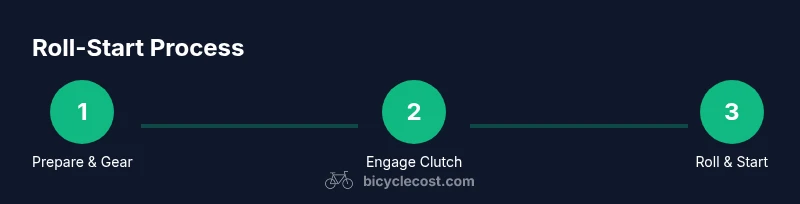
- 1
Prepare bike and gear
Put on your protective gear and choose a safe, flat practice area. Verify that the bike is in neutral, the battery is charged, and there is adequate fuel. Clear the area of obstacles and ensure you have a clear escape route in case you need to abort the attempt.
Tip: Double-check that you’re wearing a secure helmet and gloves before starting. - 2
Engage clutch and select gear
With the ignition on and the kill switch set, pull the clutch fully in and shift into second gear. Keep the bike steady, and maintain a light grip on the handlebars. The clutch bite point should feel predictable when you begin to release it.
Tip: Starting in second gear provides a balance between engine resistance and wheel speed. - 3
Roll and clutch release to start engine
Roll the bike forward to a moderate speed on the flat surface. As you reach that speed, release the clutch smoothly while applying a controlled amount of throttle. The engine should catch as the clutch fully engages.
Tip: Avoid dumping the clutch; a smooth release helps prevent stalling or wheel slip. - 4
Stabilize ride and shift up
Once the engine runs, maintain a steady throttle and gradually ease the clutch out further. If necessary, shift to higher gears as you accelerate, keeping your body relaxed and eyes forward. Confirm you can control the bike safely before resuming normal riding.
Tip: If the engine stalls, stop, recheck conditions, and retry from a slower roll.
People Also Ask
Can you start a bike without a kickstarter safely?
Yes, with proper technique, gear, and a safe environment. Practice in a flat area and avoid busy roads until you’re confident.
Yes, with proper technique, gear, and a safe space to practice.
What gear is best to use for a roll-start?
Second gear is commonly recommended because it provides enough resistance to turn the engine without excessive wheel speed.
Second gear is usually best for a roll-start because it balances speed and engine load.
What should I do if the engine stalls after starting?
Pull the clutch in, come to a stop, re-check fuel and ignition, and retry with a slower roll to avoid flooding.
If it stalls, clutch in and stop, then retry more slowly.
Do all manual bikes support roll-starts without a kickstarter?
Most manual bikes with a functioning clutch can be roll-started, but some models may require different techniques or have unique fuel or ignition setups.
Most manuals can be roll-started, but check your model specifics.
What are practical alternatives if a roll-start isn’t safe or possible?
Push-start with a helper or towing method in a controlled environment, or get the kickstarter repaired by a professional.
If unsafe, consider push-start with help or get the kickstarter fixed.
Why not use the electric starter when available?
Electric starters should be the primary method; roll-starts are an emergency skill when the electric starter or battery fails.
Electric starting is preferred; roll-starts are for emergency use.
Watch Video
Quick Summary
- Practice roll-starts in safe environments before attempting on the road.
- Clutch control and smooth power application are essential for a successful start.
- Always wear proper protective gear and check surroundings to prevent accidents.
- If unsure, seek professional guidance rather than forcing a start.