How to Start a Bike Without a Battery
Learn how to ride a bike without battery power, with safety checks, step-by-step techniques for traditional bikes and e-bikes, and practical maintenance tips from BicycleCost.


A bike can be ridden without power by treating it as a regular bicycle. For an e-bike, switch off any motor assist, pedal normally, and maintain brakes and tires. Check the chain and gears before you ride, and have a backup plan for power if available. With proper technique and safety checks, you can ride confidently even when the motor is unavailable.
Why Riding Without Battery Power Is More Common Than You Might Think
According to BicycleCost, many riders find themselves needing to ride a bike when the motor power is unavailable or depleted. Treating the ride as a traditional bicycle keeps you safe and in control while you regain momentum. Even with an e-bike, learning pedal-only technique helps you stay mobile during battery issues, suboptimal charging conditions, or when you simply want a workout. This section sets the stage for practical, real-world scenarios and debunks common myths about riding without power.
What to Check Before You Ride Without Power
Before you roll, perform a quick pre-ride assessment focused on safety and reliability. Inspect tires for wear or embedded debris, verify tire pressure matches the manufacturer’s recommendations, and ensure the brakes respond promptly. Wipe down the drivetrain if it’s dirty, and lubricate the chain lightly if it looks dry. If you’re on an e-bike, switch off the motor assist and confirm that the display shows zero power usage to prevent accidental engagement. These checks minimize surprises and reduce the risk of a breakdown mid-ride.
How to Move Safely: Flow, Cadence, and Control
Riding without battery power means leaning on your pedaling technique and bike handling. Start with a smooth, steady cadence, keep your shoulders relaxed, and look well ahead to anticipate road conditions. Use lower gears to maintain momentum on hills, and shift up gradually as you gain power. Practice around quiet streets or an empty parking lot to build confidence in throttle-free starts, turns, and stopping distances. Remember that weight distribution and braking feel change when the motor is not assisting.
Safety, Skills, and Common Mistakes to Avoid
Common mistakes include coasting in the wrong gear, sudden braking, and ignoring tire pressure. Always wear a helmet and high-visibility clothing, especially when riding in mixed traffic. Practice frictionless starts in a controlled environment and gradually increase speed only when you’re confident in your balance and brake responsiveness. If you ride on downhill slopes, maintain a safe cadence and preemptively downshift to avoid over-revving the chain or tires.
Post-Ride Checks and Battery Readiness for Next Time
After you finish, inspect the brakes and tires for any signs of wear or heat buildup. Clean and lubricate the chain to prevent rust and ensure smooth shifting. If you use an e-bike, charge the battery fully and store it safely, keeping it away from extreme temperatures. Record any mechanical issues you noticed so you can address them before your next ride. Regular maintenance extends the life of your bike and keeps you safer on the road.
Tools & Materials
- Regular bicycle(In good mechanical condition; no power assist required)
- Basic bike repair toolkit(Allen keys, screwdrivers, tire levers)
- Tire pressure gauge(Check per manufacturer spec on the sidewall)
- Spare tube and patch kit(Carry in case of punctures)
- Chain lubricant(Light application if the chain looks dry)
- Helmet and high-visibility gear(Safety first, especially in traffic)
- Backup power source (optional)(Spare battery for e-bikes if available)
Steps
Estimated time: 60-90 minutes
- 1
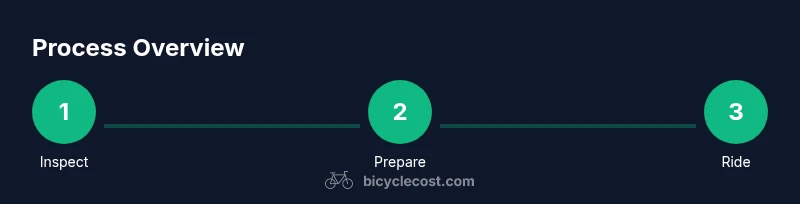
Inspect safety gear and brakes
Begin with a quick check of your helmet, gloves, and visibility gear. Test both brakes for proper response and ensure the wheel spins freely without rubbing. This safety baseline helps prevent surprises once you start rolling.
Tip: If brakes feel spongy, do not ride; adjust or seek professional service first. - 2
Disable motor assist and assess drivetrain
For an e-bike, switch off all assist and confirm the display shows zero power. Inspect the chain, cassette, and derailleur alignment; wipe off dirt and apply a light lubricant to the chain if needed. A clean drivetrain improves efficiency in pedal-powered riding.
Tip: Lubricating a dirty chain can attract more dirt; apply sparingly and wipe off excess. - 3
Find a comfortable, sustainable cadence
Position yourself on the saddle, place your feet on the pedals, and start with a gentle, consistent cadence. Use lower gears on hills to keep cadence steady without overexertion. Avoid sudden accelerations that could unsettle balance when no motor power is aiding you.
Tip: Maintain a cadence you can sustain for several minutes without fatigue. - 4
Shift gears to optimize control
Before you push off, shift to a gear that allows you to pedal smoothly with minimal resistance. If you feel resistance, back off and shift to an easier gear. This reduces strain on the knees and tires during the initial push.
Tip: Always downshift before climbing; avoid grinding gears under load. - 5
Test ride in a safe area
Move forward slowly in an open space with light traffic or a designated bike lane. Practice braking, cornering, and stopping distances at a controlled pace. Build confidence before returning to busier roads.
Tip: Practice emergency stops in a safe zone to understand stopping distance without power assist. - 6
Review post-ride maintenance
After the ride, wipe down the bike, check tire wear, inspect the brakes for heat buildup, and lube the chain. If you rode an e-bike, charge the battery fully and store it appropriately. Keeping notes helps you address issues early.
Tip: Record any unusual noises or brake fading for later service.
People Also Ask
Can I ride an electric bike without the battery?
Yes. If you switch off the motor assist, you can ride the bike like a regular bicycle using pedal power. Performance depends on your fitness and bike setup, and you should treat it as a non-electric ride until you restore power.
Yes, you can ride an electric bike without the battery by using pedal power and turning off assist. It will handle like a regular bike, but performance varies with terrain and rider fitness.
What should I check before riding without power?
Check brakes, tires, chain, and shifting. Ensure tire pressure matches the recommended range, and confirm the brakes respond quickly. A quick test ride in a safe area helps confirm everything is functioning.
Check brakes, tires, chain, and gears, then test ride slowly in a safe area.
Is push-start safe for e-bikes?
Push-starts on some modern e-bikes can cause motor damage or sensor errors. It’s generally better to rely on pedaling power and consult the manufacturer guidance for your model.
Push-starting an e-bike isn't usually recommended; follow the manufacturer guidance and ride as a pedal-powered bicycle when power is unavailable.
How long can you ride without battery power?
Duration depends on your fitness, terrain, and bike condition. You can ride as long as you can maintain pedaling effort and safe control, especially on flat terrain.
It varies with terrain and fitness, but you can ride as long as you can maintain pedal power and balance.
What maintenance should I do after riding with no power?
Inspect the brakes and tires for wear, clean the drivetrain, and lubricate the chain. If you used an e-bike, recharge the battery and store it per guidelines.
Check brakes and tires, lubricate the chain, and recharge the battery if you rode an e-bike.
Do I need special shoes or technique?
Use a comfortable cadence and engage gears appropriately to avoid strain. Regular cycling technique applies; no special shoes are required beyond your normal riding gear.
Keep a steady cadence and shift gears as needed; normal cycling technique works fine.
Watch Video
Quick Summary
- Pedal power works on any bike when the motor is off
- Do a safety pre-check before every ride
- Practice in safe areas before traffic exposure
- Maintain brakes and tires; they are critical when power is unavailable
- Charge and store the battery properly for next time