How to Prevent Bicycle Gears from Rusting: A Practical Guide
Learn practical, actionable steps to stop bicycle gears from rusting. Clean, dry, lubricate, and store your drivetrain properly with expert guidance from BicycleCost to extend life and maintain smooth shifting.


By controlling moisture, dirt, and exposure, you can dramatically reduce rust on your bike’s gears. This guide shows how to prevent bicycle gears from rusting with a simple, repeatable routine: clean after rides, dry thoroughly, lubricate properly, and store the bike in a dry place. Regular checks prevent costly corrosion and drivetrain wear.
What causes rust on bicycle gears
Moisture, road salt, and humidity are the primary drivers of rust on metal drivetrain components. If you’re asking how to prevent bicycle gears from rusting, the answer begins with limiting moisture exposure and maintaining a clean, protective film on metal surfaces. Rust forms when water reacts with iron-containing metals to create iron oxide, and even brief exposure after rain or winter rides can initiate corrosion. In addition to moisture, salt from treated roads, sweat, and dirt act as electrolytes that accelerate oxidation. Rust often appears first as dull patches on gear teeth or inside crevices near shift pins, which can degrade shifting performance, increase wear, and shorten component life. A proactive approach saves money and keeps your drivetrain performing at its best.
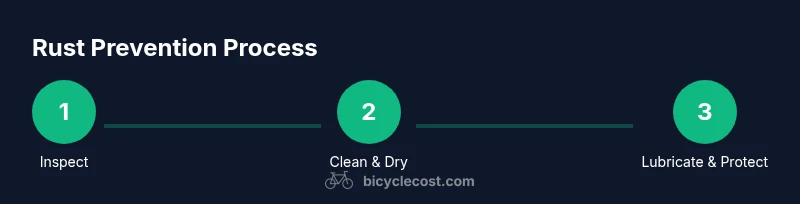
According to BicycleCost, rust prevention starts with a repeatable routine that minimizes exposure and simplifies maintenance. The core idea is to keep metal surfaces dry, clean, and protected with a thin lubricating film. The following sections translate that principle into practical steps, tools, timing, and environmental considerations that apply to road, gravel, and mountain bikes alike. Implementing these habits will help you ride with confidence, knowing your gears are shielded from corrosion.
A well-executed rust-prevention strategy also reduces the risk of surface pitting, which can trap moisture and dirt during rides. By focusing on dry storage, prompt cleaning after exposure to moisture, and appropriate lubrication, you create a barrier against oxygen and moisture. Regular, mindful care is more effective than aggressive, one-off treatments. While no bike is entirely rust-proof, a simple routine dramatically reduces the likelihood of rust taking hold over seasons of riding. BicycleCost’s guidance emphasizes consistency over intensity, making rust prevention accessible to riders of all levels.
In practice, set aside a dedicated maintenance window, use the right tools, and follow a clean, repeatable process. The result is smoother shifts, less drivetrain noise, and longer-lasting gears. With a small time investment each week, you’ll extend the life of chains, cogs, and derailleurs, preserving performance while avoiding expensive replacements.
noteForEditorsNullable":null
Tools & Materials
- Bike-specific degreaser(Citrus-based or water-based degreaser; avoid harsh solvents near seals)
- Microfiber towels or lint-free rags(Used to wipe dry and remove dirt without scratching surfaces)
- Soft-bristle brush(Reach between gears; toothbrush-size works well for tight gaps)
- Lubricant suitable for drivetrain (dry or wet)(Apply sparingly to chain and exposed metal parts; choose based on climate)
- Rust-preventive spray or wax(Optional for extra protection on exposed surfaces)
- Protective gloves(Keeps hands clean and protected from solvents)
- Bike stand or wall mount(Improves access and airflow during maintenance)
- Silica gel packs or a small dehumidifier(Helps control humidity in storage)
Steps
Estimated time: 60-90 minutes
- 1
Inspect gears for rust and wear
Begin with a visual check under good light. Look for brown or red-orange patches on teeth, pins, and pivots, especially inside crevices. Listen for rough, gritty shifts which can indicate contamination that promotes corrosion. If you find signs, address them before cleaning begins.
Tip: Use a flashlight to peek between tight gaps and rotate the crank slowly to inspect all teeth. - 2
Clean drivetrain to remove rust-promoting materials
Apply degreaser to the chain, cassette, and derailleur pulleys; scrub with a soft brush to lift dirt and dried lubricant. Rinse if your setup allows it, then dry immediately with microfiber towels. Avoid leaving damp surfaces, which invite oxidation. Repeat for stubborn spots as needed.
Tip: Focus on the inside of sprockets where grime accumulates; rust starts there first. - 3
Dry surfaces completely
Thorough drying is essential after cleaning or riding in wet conditions. Use a clean towel and, if available, a fan or hair dryer on a low setting to reach crevices. Moisture left on metal surfaces accelerates corrosion, so ensure every nook is dry.
Tip: Pay extra attention to the rear derailleur cage and chainring bolts where moisture can linger. - 4
Lubricate properly to seal out moisture
Apply a light, even film of drivetrain lubricant to the chain and exposed gears. Wipe off any excess to avoid attracting dirt; a thin layer is sufficient. Lubrication reduces metal-to-metal contact and helps displace moisture, slowing rust formation.
Tip: Rotate pedals while applying to distribute lubricant uniformly. - 5
Protect exposed surfaces with wax or rust-preventive coating
For high-exposure areas, apply a wax-based coating or rust-preventive spray as a supplemental barrier. This creates a hydrophobic layer that resists water and salt. Reapply as needed, especially after long rides in wet or salty conditions.
Tip: Only apply to dry surfaces and avoid seals or bearings where grit can accumulate. - 6
Store and schedule ongoing maintenance
Store the bike in a dry, well-ventilated area. Set a regular maintenance cadence (e.g., every 1–2 weeks depending on riding conditions) to repeat cleaning and lubrication. Consistency beats intense but irregular care.
Tip: Use a calendar reminder or bike maintenance app to stay on track.
People Also Ask
What is the best lubricant to prevent rust on bicycle gears?
A light to medium viscosity chain lubricant suitable for your climate is typically best. In damp conditions, use a dry lube to avoid attracting dirt, while in dry climates a wet lube can help protect exposed metal. Avoid over-application and wipe away excess.
Use a light lubricant suited to your climate and apply sparingly, then wipe off excess for rust prevention.
Can rust on gears be removed once it starts?
Small surface rust can often be tackled with a mild rust remover or gentle abrasion, followed by thorough cleaning and re-lubrication. Deep rust that creates pits may require part replacement. Early intervention is key.
Yes, minor rust can be treated early; stubborn rust may mean replacing affected parts.
How often should I inspect gears for rust?
Aim for a quick check after wet rides and a deeper inspection monthly. If you ride in salty or humid environments, check more often and address any signs of rust promptly.
Check your gears after wet rides and do a thorough check at least once a month.
Is WD-40 good for rust prevention on gears?
WD-40 is useful for water displacement and rust removal, but it is not a long-term lubricant. Use a dedicated chain lubricant and consider a protective wax coating for ongoing rust protection.
WD-40 is great for cleaning and removing light rust, but use proper bike lubricants for ongoing protection.
Does rust void warranty on bicycle components?
Warranty terms vary by manufacturer and component. Generally, rust caused by improper maintenance may not be covered. Always review your warranty and follow the recommended maintenance schedule to stay within coverage.
Warranty specifics vary; check your terms and maintain your bike to stay within coverage.
Should I replace rusty gears or chain if I see rust?
If rust is localized and shallow, treatment may suffice. Widespread rust, pitting, or compromised shifting usually warrants replacement to avoid performance issues and safety risks.
If rust is widespread or affects performance, replace the affected parts for safety and reliability.
Watch Video
Quick Summary
- Keep metal surfaces dry after rides.
- Clean and dry the drivetrain weekly to curb rust.
- Lubricate sparingly to seal out moisture.
- Store in a dry, ventilated space to reduce humidity.
- Establish a regular rust-prevention routine for best results.