How to Get Started Bike Packing: A Beginner's Guide
Learn how to start bike packing with a lightweight setup, smart packing, and safe planning. This beginner-friendly guide covers gear, routes, and maintenance for confident rides.


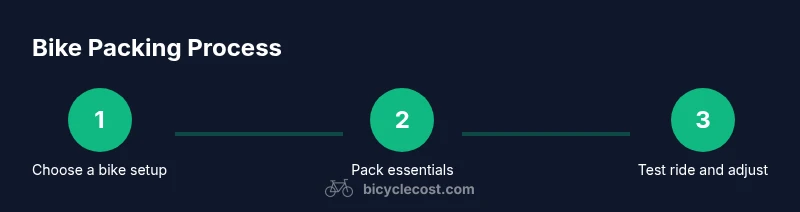
You’ll learn how to start bikepacking by choosing a lightweight, versatile setup, selecting essential gear, planning safe routes, and packing efficiently. Begin with a simple two-day kit, practice packing at home, test-ride with load, and gradually add gear as you grow. This guide covers gear lists, step-by-step prep, safety basics, and basic maintenance to get you rolling.
What bikepacking is and why beginners should try it
Bikepacking fuses cycling with lightweight backpacking, letting you travel farther on your bike with a small kit. For many riders, how to get started bike packing looks intimidating until you see how little gear is actually needed to sleep outdoors and ride comfortable distances. According to BicycleCost, bikepacking is approachable for many riders when you focus on core essentials and smart packing. Rather than a heavy touring rig, you’ll use compact bags that mount on the frame, handlebars, and saddle, keeping the center of gravity low and the bike stable.
What makes bikepacking appealing? Flexibility, minimal setup, and the chance to sleep under the stars or in a sheltered bivy. It’s not about having the most expensive gear; it’s about balancing weight, reliability, and practicality. Start with a modest objective—e.g., a single overnight or a long day with camping breaks—and build confidence as you learn how your equipment behaves on the road. In this article, you’ll learn the approach, common gear, packing techniques, and safety precautions that help you progress safely from your first pedal stroke to a true bikepacking routine. The goal is to empower you to plan short trips, test your setup, and enjoy the process as you grow.
Core gear you need to start: bikes, packs, and essentials
Starting bike packing requires a careful, minimal inventory that supports comfort and safety. The goal is to carry enough gear to be self-sufficient without turning your bike into a brick. A reliable, sturdy bike is essential; many riders repurpose an adventure or gravel bike capable of carrying rackless bags or small panniers. If you have a road bike, you can still pack with frame bags, saddle bags, and handlebar roll bags to keep weight close to the bike's center.
Packs fall into three main categories: frame bags, saddle bags, and handlebar or top-tube bags. Combine bags to keep weight evenly distributed and avoid protruding items that affect steering. A compact tent or bivy, a light sleeping system, and a compact stove are common necessities for most trips. Hydration should be planned with water bottles or a small hydration reservoir. Finally, carry a basic toolkit, spare tubes or patches, a pump, and a reliable headlamp. The exact quantities vary by trip length, season, and rider size, so tailor your kit to your own comfort threshold and planned distances.
Packing smart: load balance, packing methods, and examples
Effective packing starts with a plan for balance. Heavier items like water, cooking gear, and tools should sit close to the bike’s center of gravity—low and ahead of the rear wheel if possible. Lighter, bulkier items go toward the top and outwards to maintain a narrow profile. Use compression straps to keep bags snug and minimize movement. A typical layout uses: frame bags for bulkier items, a seat bag for clothing, and handlebar/top-tube bags for quick-access items. Pack sleep systems and a compact stove in waterproof bags to protect them from moisture. Practice packing at home, then do a short test ride to feel how weight shifts during acceleration, braking, and cornering. Remember to distribute weight evenly between the left and right sides to avoid steering drift on uneven surfaces.
Practical packing tips include layering clothing to adapt to temperature swings and using a small, dry sack for electronics and critical documents. When you pack, think about accessibility: keep an emergency layer and snacks where you can reach them without stopping. If you’re unsure about a piece of gear, test it on a shorter ride first to assess whether it’s worth the space it occupies.
Bike and bag configurations: setups for different bikes
Your bike type largely determines bag choice and mounting strategy. A gravel or adventure bike with mounting points accepts frame bags and larger seat packs well, while a traditional road bike benefits from frame bags and under-seat storage rather than rack systems. Mountain bikes can accommodate frame bags and dropper-ready seat packs for compact, rugged trips. For all setups, prioritize bags that stay secure when you’re moving over rough roads or forest trails. If bag space is tight, consider a minimalist approach: a small handlebar bag paired with compact frame bags can cover essentials without overloading the frame.
A few practical configurations: for road bikes, use a frame bag, a small bar bag, and a saddle bag; for gravel bikes, exploit frame, top-tube, and saddle bags in combination; for mountain bikes, prioritize frame bags and a compact seat bag, adding a lightweight tarp for shelter if needed. Always check your tire clearance and ensure bags don’t rub on wheels or derailleur hoods. Test ride with fully loaded setup to confirm clearance and handling before venturing far from home.
Planning routes and safety: navigation, weather, and risk management
Route planning is as much about safety as distance. Start by selecting routes with reliable surfaces and known services along the way—grocery stops, bike shops, and campsites. Download offline maps or carry a simple paper map as a backup. Check the forecast ahead of time and be prepared for wind, rain, or cold snaps. Pack clothing layers and a waterproof shell, plus a lightweight emergency blanket. Consider daylight hours for your chosen route and plan stops to rest, refuel, and rehydrate.
Safety planning includes telling someone your route and expected return time, carrying a basic first-aid kit, and having a means of signaling help if needed. Practice simple hops between nearby towns or campsites to build confidence. A modest, well-thought-out route reduces stress and increases enjoyment, letting you focus on the experience of being outdoors rather than worrying about logistics.
Maintenance and safety basics on the road
Bike maintenance is part of the ride, not an afterthought. Before you depart, perform a quick but thorough check: tire condition and inflation, brake function, chain wear, and derailleur alignment. Carry a compact repair kit tailored to your bike: spare tubes, patch kit, tire levers, a multi-tool, and a pump or CO2 cartridge. Lubricate the chain if you’re trekking through dusty or damp conditions, and inspect brake pads for wear regularly. Pack a small bottle of chain lubricant and a cleaning rag to wipe grit from chains and gears during long days.
On the road, monitor for squeaks, rubbing, or sluggish shifting. If you feel handling changes as you ride, pull over and inspect. Hydration, nutrition, and sleep are critical safety factors on trips; staying alert and well-fuearded helps you respond to hazards smoothly and reduces the risk of accidents.
Practice runs: how to test and iterate
Progress in bikepacking comes from deliberate practice. Start with indoor packing and a parking-lot test ride to check fit, balance, and accessibility. Next, schedule a one-night overnight close to home to validate your setup, practice cooking outdoors, and test lighting after dark. Use the data from these trials to refine your packing list and weight distribution. Each subsequent trip can push a little further in distance or duration, always maintaining a safety-first mindset.
Document what works and what doesn’t—adjust bag placement, swap out gear, and tune your packing routine. A well-documented progression helps you avoid repeating mistakes and speeds up your learning curve.
Remember to respect the environment and local regulations during practice runs. Leave no trace, pack out waste, and minimize campfire impact where permitted.
Common mistakes and how to avoid them
New riders often overpack or under-pack. Too much weight slows you down and drains energy, while missing essentials can force last-minute make-do solutions on the trail. Avoid allocating space to nonessential luxuries; instead, prioritize essentials first and expand gradually. Failing to test the loaded bike can lead to handling surprises on longer trips. Always test carry weight, stability, and reach before you head out.
Another frequent error is neglecting weather planning. Temperature swings can surprise you; pack layers and water-resistant gear accordingly. Finally, don’t skimp on safety gear: helmet, lights, reflectivity, and a basic first-aid kit should be non-negotiable. By planning, testing, and sticking to a minimal but sufficient kit, you’ll set yourself up for enjoyable, safe ride.
Getting started: your first lightweight example trip
If you’re new to bikepacking, start with a simple, locally accessible overnight trip that keeps you close to home. Choose a safe route with reliable water sources and a place to pitch a small shelter or bivy. Keep daylight in mind and carry a light rain layer, warm layer, and basic food that you enjoy on the road. The aim is to test the complete flow: packing, loading, riding with weight, cooking outdoors, and sleeping outdoors in familiar surroundings. After your first trip, reflect on what you would change and document your adjustments for next time. With practice, your setup becomes more efficient and you’ll extend your trips with growing confidence.
Safety reminders and practical tips
Always wear proper PPE: a helmet, high-visibility clothing, and lights for night riding. Carry a map, power bank, and backup navigation method. Hydration and nutrition are crucial; plan for electrolyte balance and easy-to-pack snacks. Respect wildlife and follow local regulations in camping areas. Build a habit of quick pre-ride checks and post-ride maintenance to keep your bike in top condition.
Tools & Materials
- Bike(Reliable frame; appropriate tire clearance for loaded setup)
- Frame bags (or panniers)(Mounts allow weight near center; choose weatherproof options)
- Saddle bag and bar bag or top-tube bag(Keep essentials accessible)
- Tent or bivy shelter(Lightweight and compact)
- Sleeping bag and pad(Comfortable for typical nighttime temps)
- Compact stove and fuel(Wind shield helps efficiency)
- Cookware and utensil(Lightweight, sturdy)
- Water bottles or reservoir(Plan for daily intake)
- Water filtration or purification method(Safe drinking water on route)
- Navigation device or offline maps(Ensure you can route without cell service)
- Basic toolkit and spare tubes/patch kit(Flat tire repair essentials)
- Pump or CO2 inflator(Maintain proper tire pressure)
- Multi-tool and chain lube(Bike maintenance on the go)
- Headlamp or bike lights(Visibility after dark)
- Emergency foil blanket and clothing layers(Weather contingency)
- First-aid kit(Basic wound care and meds)
- Weather-appropriate clothing(Layering for temperature changes)
Steps
Estimated time: 4-8 hours (spread across several sessions)
- 1
Choose bike and bags
Select a bike capable of carrying frame and handlebar bags without compromising safety. Identify bag mounting points and ensure clearance for wheels and drivetrain. This step defines your overall load strategy and informs the rest of the setup.
Tip: Test fit bags with a loaded weight before committing to a layout. - 2
List essential gear
Create a lean gear list focused on sleep system, cooking, water, navigation, repair, and clothing. Remove non-essentials to keep weight manageable while maintaining comfort.
Tip: Pack a compact stove and one-pot solution to minimize cookware. - 3
Pack and weight balance
Place heavier items in the center of the bike (frame bags) to keep the center of gravity low. Distribute weight evenly left-right and front-back to maintain stable handling.
Tip: Put quick-access items (phone, snacks, map) in a top-tube or bar bag. - 4
Do a home test ride
Ride with a fully loaded bike around your neighborhood to feel the weight and balance. Listen for rubbing or shifting gear during the ride and adjust bag positions accordingly.
Tip: Make notes of any fit issues and fix them before the real trip. - 5
Plan a first overnight
Choose a nearby destination with a safe camping option and a reliable water source. Prep a simple menu, pack light, and verify access to services along the route.
Tip: Keep your first trip realistic in distance and elevation. - 6
Safety and maintenance routine
Before each ride, perform a quick pre-ride check: tires, brakes, drivetrain, and lights. Carry a basic repair kit and know how to use it in case of common issues.
Tip: Set a checklist so you don’t miss a critical item.
People Also Ask
What is bikepacking and how is it different from traditional bike touring?
Bikepacking blends cycling with lightweight camping, emphasizing compact gear and mobility. It emphasizes self-sufficiency and flexible routes, often with smaller sleep systems and frame-mounted bags. This contrasts with heavier, traditional touring setups that may use racks and larger luggage.
Bikepacking combines cycling with lightweight camping using compact gear, letting you move fast and light.
What gear is essential for a beginner?
A reliable bike, frame or handlebar bags, a sleeping system, a compact stove, basic repair tools, hydration, navigation, and weather-appropriate clothing are essential. Start minimal and add items only after testing on short rides.
A basic setup includes a bike, compact bags, sleeping gear, and repair tools.
Can I bikepack on a road bike or a mountain bike?
Yes. Road bikes can work with frame bags and small bar bags; gravel or adventure bikes are ideal for frame and saddle bags; mountain bikes work well with frame bags and compact seat packs. Always verify bag clearance and bike handling with a loaded setup.
Road bikes can work with smartly placed bags; gravel and mountain bikes offer more options.
How much will it cost to start bikepacking?
Costs vary widely based on gear quality. You can start with a modest budget by choosing essential, multi-use items and gradually upgrade as you gain experience. Focus on reliability, not luxury, for your first trips.
Costs depend on gear quality; start with essentials and upgrade over time.
What should I practice first?
Begin with indoor packing and a short neighborhood ride to test balance. Progress to a one-night trip close to home before attempting longer journeys. Each step builds confidence and reveals gaps to fill.
Start with packing practice, then a nearby overnight.
What safety steps are essential on a bikepacking trip?
Wear a helmet, use lights, carry a basic first-aid kit, and tell someone your plan. Pack navigation backups and a way to signal for help if needed. Stay aware of weather and trail conditions.
Helmet, lights, and a plan keep you safe on the trail.
Watch Video
Quick Summary
- Plan a lean, scalable starter kit
- Balance load to preserve handling
- Test gear with load before longer trips
- Prioritize safety and maintenance
- Progress gradually to build confidence