How to Get Out Bike Grease Stains: A Practical Cleaning Guide
Learn proven, step-by-step methods to remove bike grease stains from clothing, upholstery, and gear. Safe pre-treatments, fabric-specific tips, and practical mistakes to avoid—brought to you by BicycleCost.


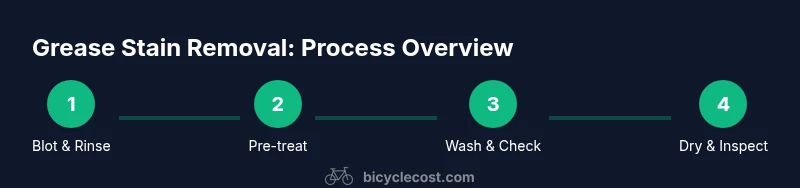
By acting quickly you can lift bike grease stains with household cleaners. According to BicycleCost, start with blotting, then apply a gentle pre-treatment, and wash using cold water on a regular cycle. For stubborn spots, repeat treatment or try a stain remover suitable for the fabric. This guide also covers fabric-specific tips, safety notes, and common mistakes to avoid for best results.
Why grease stains are tough on fabrics
Bike grease stains are oil-based and cling to fibers in a way that water alone cannot overcome. Oils bond with fabric surfaces, so a simple rinse often leaves behind a slick residue that attracts more dirt. The challenge varies by material: cotton blends can accept detergents but may still hold oil, while synthetics sometimes resist staining agents unless you choose a true degreaser. Understanding these dynamics helps you pick the right approach rather than guessing. According to BicycleCost, the most reliable outcomes come from a staged plan: first loosen the oil with a gentle degreaser, then lift away with cold water and a proper detergent, and finally finish with an appropriate wash cycle. Always identify the fabric type and whether the stain is fresh or set before you reach for the washing machine. For leather or vinyl, different rules apply; avoid soaking or harsh solvents that can dry out or crack the surface. The aim is simple: prevent the stain from migrating and avoid heat that can set the oil. With this framing, you’ll see why quick action and fabric-aware methods matter for how to get out bike grease stains.
Immediate actions when you spot a stain
The first moments after spill risk matter most. Start by blotting with a clean cloth or paper towel to remove excess oil; do not rub, as friction can push oil deeper into fibers. If possible, rinse from the back of the stain with cold water to push oil outward rather than further into the fabric. Apply a small amount of dish soap or laundry detergent directly to the stain and let it sit for 5–10 minutes. This brief dwell time helps break the oil’s grip without risking color loss. For upholstery or carpet, place a paper towel under the fabric to catch runoff, and test any cleaner on an inconspicuous area first. After the pre-treatment, blot again and proceed to washing. Avoid heat at this stage; heat can set the stain rather than remove it, so skip the dryer and hot water until you confirm the stain has lifted.
Pre-treating strategies by fabric type
Different fabrics demand different pre-treatments. For cotton and cotton blends, a heavy-duty laundry detergent or a dish soap degreaser works well if applied directly and allowed to dwell briefly. For synthetics like polyester or nylon, enzymatic stain removers or color-safe pre-treatments tend to perform better. Delicate fabrics such as wool, silk, or suede require gentler cleaners and often damp blotting rather than scrubbing; always test a hidden area first. Leather or vinyl surfaces should be treated with leather-safe cleaners or mild detergents; do not soak them. Remember to identify the fabric and stain age: fresh stains respond to milder treatments, while set-in oils may need a stronger approach or a repeat treatment. A general rule from BicycleCost is to pair the pre-treat with cold-water washing and to avoid heat until you confirm the stain is gone.
Cleaning methods for common surfaces and fabrics
Clothes and fabrics: after pre-treating, wash in cold water with an appropriate cycle. For whites or color-safe whites, an oxygen-based bleach can be used per label directions, but avoid bleach on colored fabrics. Upholstery and carpets: use a dedicated upholstery cleaner or a gentle detergent solution, blotting rather than saturating, and allow to air dry. Bike seats and saddles: if the grease is on vinyl or leather, use a leather cleaner and conditioner after any stain removal step. In all cases, air-dry the item completely and inspect the area in daylight before deciding if a second treatment is necessary. If the stain persists, consider repeating the pre-treatment and wash or seeking professional cleaning for delicate materials.
Household products and tools that work best
Effective grease removal relies on accessible tools. Have dish soap or a dedicated degreasing detergent, a color-safe detergent, a stain remover, and a soft-bristled brush (like an old toothbrush). A clean microfiber cloth helps blot and lift oil, while a small bucket or bowl keeps your workspace tidy. For bulky items, use a basin or sink deep enough to submerge the stained area, but avoid over-saturating fabrics that could bleed color. Baking soda or cornstarch can be sprinkled to absorb excess oil before treatment, then brushed away. Do not rely on hot water or high-heat drying during the cleaning process, as heat can lock in the stain.
Stubborn stains: advanced methods and safe solvents
When stains resist standard treatment, you can escalate carefully. For white or colorfast fabrics, mild hydrogen peroxide can help lift stubborn marks—test first on a hidden area. Isopropyl alcohol can break down oils on some surfaces like leather or vinyl, but use sparingly and never soak. Enzymatic cleaners are often effective on organic soils but check the fabric care label before using. If you’re cleaning upholstery or carpet, avoid saturating the backing; work in small sections and blot the surface dry as you go. If the stain remains after multiple attempts, it may be time to bring in a professional cleaner, especially for expensive garments or delicate leather goods.
Prevention and care: avoiding future grease stains
Prevention is the best cleanup. Wear an apron or old clothing during bike maintenance, chain lubing, or drivetrain cleaning to minimize oil transfer. When servicing your bike, place a towel under the area to catch drips and clean up promptly. After rides, wipe down your gear and laundry, and treat stains promptly to keep fabrics in good shape. Regular maintenance of lubricants and proper storage can reduce future grease exposure. By adopting these habits, you’ll minimize the need for heavy stain remedies and keep your cycling gear looking fresh.
Quick tips and cautions for best results
- Act quickly when grease hits fabric; the faster you respond, the more fibers respond to treatment.
- Always test cleaners on hidden areas before applying to the stain.
- Do not use hot water or heat to dry until you’re sure the stain is gone.
- For delicate fabrics, opt for gentler cleaners and avoid abrasive scrubbing.
- If the stain is on leather, use leather-safe products and avoid soaking.
Final note on results and care
Grease stain removal is a blend of science and patience. With the right pre-treatment, cold-water washing, and fabric-aware techniques, you can restore most garments and gear to their pre-stain condition. If a stain persists after careful attempts, consider professional cleaning or targeted leather care. Maintaining a proactive approach will save time and preserve materials in the long run.
Tools & Materials
- Dish soap (degreasing)(Gentle, kitchen-grade works fine)
- Laundry detergent (enzyme-based)(Liquid preferred for faster penetration)
- Stain remover (gel or spray)(Choose color-safe if dealing with colors)
- Soft-bristled brush (old toothbrush)(Gently agitate; test first on delicate fabrics)
- Microfiber cloth or clean cotton cloth(For blotting and lifting oil)
- Cold water source(Backside rinse when possible)
- Baking soda or cornstarch(Absorbs oil before treatment)
- Hydrogen peroxide (3%)(Only for whites or colorfast fabrics; test first)
- Isopropyl alcohol(Use sparingly and only on appropriate surfaces)
- Bucket or basin(For soaking or pre-soaking bulky items)
- Washing machine or access to laundry facilities(Ensure you have a suitable cycle)
- Leather cleaner/conditioner(Only for leather or vinyl surfaces)
Steps
Estimated time: 60-120 minutes
- 1
Identify fabric and blot excess
First assess the fabric type and either blot away any immediate excess oil with a clean cloth or paper towel. Do not rub, as rubbing pushes oil deeper. This initial action reduces the amount of stain that will reach the fibers.
Tip: Blot gently and replace towels as they become saturated. - 2
Rinse from the back with cold water
Rinse the stain from the backside to push the oil outward rather than deeper into the fibers. Use cold water to avoid setting the stain and to keep the fabric from tightening around the oil.
Tip: If possible, run water through the fabric for 30–60 seconds. - 3
Apply pre-treatment with dish soap or detergent
Squirt a small amount of dish soap or a liquid laundry detergent directly onto the stain and work it in gently with your fingertips or a soft brush. Let sit for 5–10 minutes so the oil has time to loosen from the fibers.
Tip: Do not let the soap dry on the fabric. - 4
Gently agitate with a brush
Lightly scrub the stained area with a soft-bristled brush to help lift the oil from the fibers. Use circular motions and avoid aggressive scrubbing on delicate fabrics to prevent damage.
Tip: Test a hidden area first to check for color loss. - 5
Launder on cold and appropriate cycle
Wash the item in cold water using the garment’s recommended cycle. Use a standard amount of detergent and add a stain remover if the stain is stubborn. Avoid high heat until you’re sure the stain is gone.
Tip: Check the care label for any restrictions on bleaching. - 6
Inspect before drying
After washing, inspect the fabric in good light. If any grease remains, repeat the pre-treatment and wash. Do not put the item in the dryer until the stain is fully removed, as heat can set remaining oil.
Tip: A second wash often resolves persistent spots. - 7
Special care for upholstery or carpet
For upholstery and carpet, apply the cleaner to the stain, blot, and rinse with a damp cloth rather than saturating the backing. Avoid soaking and allow to air dry thoroughly.
Tip: Work in small sections to maintain control over moisture. - 8
Finish with air dry and evaluate
Air dry the item completely in a well-lit area. If any trace remains, consider repeating steps or applying a deeper treatment on a small area first.
Tip: Avoid direct sunlight on sensitive fabrics during drying.
People Also Ask
Can I use hot water on a grease stain?
No. Hot water can set oil into fibers and make the stain harder to remove. Use cold water for rinsing and washing until the stain is fully lifted.
No, hot water can set grease. Use cold water for rinsing and washing until the stain is gone.
Is dish soap enough, or should I use a stain remover?
Dish soap can be effective on fresh stains, especially on cotton and blends. For older or tougher stains, use a stain remover formulated for fabrics, following label directions.
Dish soap works for fresh stains; for stubborn spots, try a fabric stain remover as directed.
How long should pretreatment sit?
Allow 5–10 minutes for most pretreatments to penetrate oils. Do not let cleaners dry on the fabric before washing.
Let the pretreatment sit for about 5 to 10 minutes, then wash.
Can I bleach colored fabrics?
Bleach can fade colors and damage fibers on colored fabrics. Use color-safe bleach only on whites or very light fabrics, and always test first.
Bleach can ruin colors; avoid it on colored fabrics and test first on a hidden area.
What if the stain persists after washing?
If any grease remains, repeat the pre-treatment and washing steps. For upholstery or delicate items, consider professional cleaning.
If it isn’t gone, try again or seek professional cleaning for delicate materials.
Does leather require special care?
Leather needs gentle cleaners and conditioning after stain removal. Avoid soaking and use products designed for leather to prevent drying or cracking.
Leather needs gentle cleaners and conditioning after stain removal; avoid soaking.
Watch Video
Quick Summary
- Act quickly to minimize set-in grease.
- Choose fabric-appropriate pre-treatments.
- Avoid heat until the stain is gone.
- Test cleaners on hidden areas before full application.