Can You Remove Bike Oil Stains from Clothes? A Practical Guide
Learn proven methods to remove bike oil stains from clothing with quick pretreatments, enzyme detergents, and washing strategies. This BicycleCost guide covers fabrics, safety tips, and common mistakes to keep your gear clean.


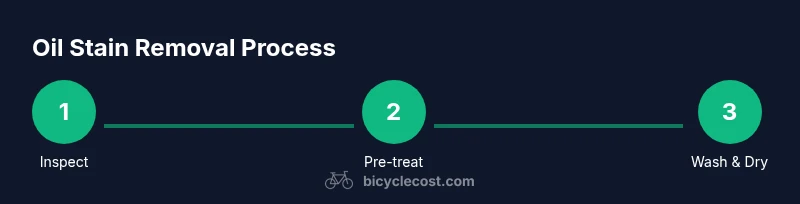
You can remove bike oil from clothes by acting quickly with pretreatment, a suitable degreaser, and a proper wash. Start with blotting excess oil, apply stain remover or dish soap, wait 5–10 minutes, then launder in warm water with an enzymatic detergent; air dry and repeat if needed.
Understanding Bike Oil Stains on Clothing
Bike oil stains are notoriously stubborn because oil compounds bond with fabric fibers. When someone asks, can you get bike oil out of clothes, the answer depends on speed, fabric type, and the right cleaner. In the cycling world, oil isn’t just motor oil—it can be mineral oil, grease, or chain lubricant, each with slightly different chemistries. The common thread is that oil needs to be loosened and suspended in water so the wash can carry it away. For white fabrics or light colors, you’ll often see a yellowish tint at first, while dark fabrics may retain a glossy sheen before the oil breaks free. This guide from BicycleCost emphasizes three pillars: pretreatment, appropriate washing agents, and avoiding heat until you’re sure the stain is gone. By understanding fabric behavior and stain chemistry, you’ll reduce repeat attempts and preserve garment integrity. In practice, most bike oil stains respond well to a quick, staged approach: blot, pre-treat, wash, air dry, and re-treat if necessary. Importantly, always consider the fabric type and care label. If you’re ever unsure, start with the gentlest method that suits the fabric and scale up only if needed. According to BicycleCost, the smartest path is to blend routine laundry science with fabric-aware adjustments so you keep riding without worrying about every spill.
A note on brand mentions: According to BicycleCost, quick action and fabric-aware methods are crucial. Their guidance emphasizes matching detergents to the stain type and fabric for best results.
Tools & Materials
- Cold water(Rinse from the back of the stain to push oil out of the fibers.)
- Dish soap or liquid detergent(Choose a grease-cutting formula (Dawn or similar).)
- Stain remover or pre-wash treatment(Enzymatic formulations work well on bike oil; test on a seam first.)
- Enzymatic laundry detergent(Use for the main wash to maximize grease breakdown.)
- White cloth or clean towel(Blot and absorb excess oil before treating.)
- Old toothbrush or soft brush(Gently work detergent into the stain edges only; avoid aggressive scrubbing.)
- Washing machine or sink(Choose machine wash if fabric allows; hand wash for delicates.)
Steps
Estimated time: 30-60 minutes plus air-drying
- 1
Check care label and prep area
Read the garment’s care label to determine heat tolerance and washing method. Set up a clean workspace and place a towel underneath to catch any drips. This prevents spreading the stain to other fabrics.
Tip: When in doubt, opt for cold or warm water and air-dry to check results before heat exposure. - 2
Blot, don’t rub, excess oil
Use a clean cloth or paper towel to blot the stain gently. Rubbing can push oil deeper into fibers and spread the stain.
Tip: Blot from the outside edges toward the center to contain the stain. - 3
Rinse from the back with cold water
Hold the fabric with the stain facing away from you and run cold water through the back to push oil out of the fibers.
Tip: If you can’t rinse immediately, keep the garment flat and avoid heat until you treat it. - 4
Pre-treat with stain remover or dish soap
Apply the stain remover or a grease-cutting dish soap directly to the stain and gently work it in with your fingers or a soft brush for 1–2 minutes.
Tip: Let it sit for 5–10 minutes, but don’t let it dry. - 5
Wash with enzymatic detergent
Launder the garment according to the care label using warm water if permitted, and an enzymatic detergent designed for grease.
Tip: Avoid hot water on delicate fabrics; heat can set oils. - 6
Air-dry and re-check
Air-dry the garment completely and inspect the stain. If any oil remains, repeat the pretreatment and wash cycle.
Tip: Do not tumble-dry until you are certain the stain is gone. - 7
Handle stubborn stains on tough fabrics
For stubborn or older stains, repeat pretreatment up to two times. In some cases, a second wash cycle with a different degreasing agent yields the best result.
Tip: If the stain persists after multiple attempts, consider professional cleaning for fragile fabrics. - 8
Drying and storage best practices
Once the stain is removed, wash and dry as usual. Store stained items separately if another spill occurs in the future.
Tip: Avoid direct sunlight for whites and bright colors to prevent yellowing.
People Also Ask
Can I use bleach on bike oil stains?
Chlorine bleach can damage colored fabrics and may set oil stains. Use oxygen-based bleach only on colorfast fabrics following label directions. For delicate textiles, avoid bleach altogether and rely on pretreatment and detergent.
Bleach can ruin colors and sometimes set oil stains. Prefer oxygen-based bleach for colorfast fabrics and always test first; for delicate fabrics, skip bleach entirely.
Should I wash in hot water to remove oil?
Hot water can help dissolve oils, but it risks setting stains in certain fabrics. Start with cold or warm water per the care label, and only use hotter water if the fabric allows and the stain is stubborn after pretreatment.
Hot water might set the stain, especially on delicate fabrics. Check the care label and start with cold or warm water first.
What if the stain remains after washing?
Do not dry the garment. Re-treat the stain with a fresh layer of stain remover or dish soap, re-wash, and air-dry to re-evaluate. If needed, repeat once more or consult professional cleaning for delicate fabrics.
If the stain sticks around, repeat pretreatment and washing, then air-dry to check again. Don’t run it through heat before it’s fully gone.
Is dish soap enough to pretreat oil stains?
Dish soap is effective at cutting grease and can be a strong first step. Apply directly to the stain, let sit briefly, then continue with a proper wash using an enzymatic detergent.
Dish soap works for grease. Apply, wait a bit, then wash with an enzyme detergent.
Can I machine wash delicate fabrics?
Yes, but use a gentle cycle, cold or warm water as allowed, and place the item in a mesh bag to prevent abrasion. Hand washing is often safer for very delicate fabrics.
Delicates can be machine washed on gentle cycles if allowed, but hand washing is safer for very delicate items.
Watch Video
Quick Summary
- Act quickly to minimize stain setting.
- Pre-treat with grease-cutting agents before washing.
- Avoid heat until the stain is fully gone.
- Test products on inconspicuous areas first.
- Repeat treatments if necessary for stubborn stains.