How Often to Service a Bicycle: A Rider's Maintenance Cadence
Discover a practical maintenance cadence for bicycles, with expert guidance on when to service, what to check, and how to log ongoing care. Learn to tailor your schedule to riding style, environment, and bike type for safer, smoother rides.


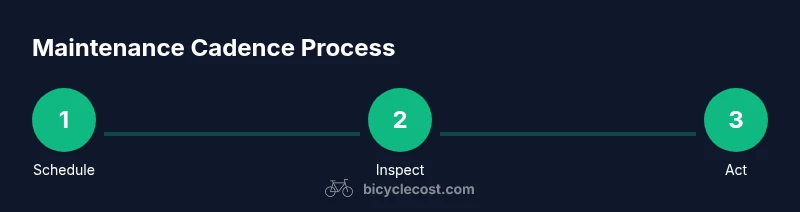
Goal: define a practical servicing cadence for your bicycle. For most riders, plan a basic service every 3-6 months if you ride regularly, and every 6-12 months for casual use. At minimum, inspect brakes, tires, drivetrain, and fasteners during each check. Adapt the frequency to riding conditions, bike age, and manufacturer guidance. According to BicycleCost, consistency keeps riders safer and components lasting longer.
Why Regular Servicing Matters
Regular servicing is the best way to prevent unexpected breakdowns, maintain performance, and extend the life of your bike’s components. It isn’t just about fixing problems after they appear; it’s about noticing wear early and acting before it becomes expensive. According to BicycleCost, a consistent maintenance habit reduces the likelihood of roadside failures and keeps you riding safely. In this section, we’ll explore how regular checks protect your investment and your safety, and how a thoughtful cadence fits your riding style and environment.
Beyond safety, regular service preserves efficiency. A clean drivetrain, properly inflated tires, and secure bolts reduce rolling resistance and improve pedaling feel. Rushed or skipped maintenance tends to compound small issues into bigger problems, which can lead to costly repairs or shortened bike life. The cadence you choose should align with how often you ride, the terrain you tackle, and the bike’s age. A disciplined routine also makes it easier to identify changes in performance over time, such as new creaks, slower shifting, or less responsive brakes. By integrating checks into your routine, you’ll ride farther with fewer interruptions and build confidence in your bike’s reliability.
Why Regular Servicing Matters (repeated for emphasis) – This section reinforces the importance of a proactive cadence and sets the stage for practical cadence guidance.
Tools & Materials
- Bike maintenance stand(Stable support to elevate the bike during servicing)
- Allen wrenches (multi-size)(Common sizes 4mm, 5mm, 6mm; keep a small set handy)
- Chain lubricant(Choose wet for wet climates or dry for dusty conditions)
- Bike-specific degreaser(Use only bike-safe degreaser to protect seals)
- Rags or shop towels(Keep clean rags for wiping and drying parts)
- Tire levers(For inspecting beads and tubeless setups)
- Torque wrench (optional)(Helpful for critical fasteners to spec)
- Spoke wrench (optional)(Useful if wheel trueing is needed)
Steps
Estimated time: 60-120 minutes
- 1
Define your cadence
Identify how often you will service based on riding frequency, terrain, and bike type. Set target dates and milestones, and keep a simple log to track progress. This step creates a sustainable habit and reduces the risk of overdue maintenance.
Tip: Use a calendar reminder and log the initial mileage or ride hours. - 2
Gather tools and materials
Set up a dedicated workspace and bring all essential tools from your kit before you begin. Having everything at hand minimizes interruptions and keeps the workflow smooth.
Tip: Arrange tools by task: drivetrain, brakes, wheels to speed the process. - 3
Inspect drivetrain and shifting
Check chain wear, derailleur alignment, and cassette teeth. Clean the chain with degreaser, dry it, and apply lubricant only to moving parts. Look for stiff links or skipped gears that indicate wear.
Tip: If shifting is noisy or the chain is stretched, plan a more thorough drive-train service. - 4
Check brakes and cables
Examine pad thickness, rotor or rim contact, and cable/hydraulic responsiveness. Replace pads if they’re below minimum thickness and adjust cable tension if needed. Secure all braking components firmly.
Tip: Never ride with worn pads; replace promptly to maintain stopping power. - 5
Inspect tires and wheels
Look for cuts, bulges, or tread wear. Check tire pressure to the manufacturer’s recommendation and spin the wheels to detect wobbles or true issues. True a wheel if you hear rubbing or feel a hop.
Tip: Keep tires at the correct pressure to avoid pinch flats and improve ride quality. - 6
Tighten, adjust, and test ride
Tighten all critical bolts to the recommended torque, verify derailleur indexing, and confirm caliper alignment. Take a short test ride to confirm smooth shifting and braking response.
Tip: If anything feels off, stop and reassess before continuing. - 7
Log maintenance and plan next service
Record what was serviced, parts replaced, and the date of the next check. A clear log makes future scheduling easier and helps track component life.
Tip: Reference mileage or ride hours to adjust future cadence. - 8
Review safety and environment
Ensure the workspace is clean, tools are stored, and you’re wearing eye protection during tasks like degreasing. A final safety check prevents recurring issues.
Tip: Don’t rush. Rushing increases the chance of missing a critical issue.
People Also Ask
How often should a new bike be serviced?
New bikes benefit from a light check after the initial ride (first 100-200 miles) and then a standard cadence. Focus on brakes, drivetrain, and wheel true. Adjust as needed based on performance and feel.
New bikes should get a light check after the first 100 to 200 miles and then follow the standard cadence, focusing on brakes and drivetrain.
Does climate affect service frequency?
Yes. Wet, dusty, or salty environments accelerate wear on chains and brakes. More frequent cleaning and lubrication help extend component life.
Yes. Harsh weather can speed wear; plan more frequent checks and more thorough cleaning.
Can I service my bike myself or should I go to a shop?
Many routine maintenance tasks can be done at home with basic tools. Complex tasks or precision setup (shifting, wheel trueing, or hydraulic brakes) may benefit from a professional service.
Most DIY tasks are doable at home, but some require a pro for safe operation.
What parts need regular inspection?
Brakes, chain, cassette, derailleur, tires, wheels, bolts, and frame quick-release skewers should be checked during each service.
Check brakes, chain, tires, and bolts at every service.
How can I tell if brakes need service?
If pads appear worn, braking feels weak or noisy, or lever travel increases unusually, schedule a brake inspection or replacement.
Look for worn pads or soft/leaver feel and get brakes checked.
Should I log maintenance?
Yes. A simple log helps you track service dates, parts replaced, and next due date. This supports a safer riding schedule.
Yes. Keep a maintenance log to track service dates and parts.
Watch Video
Quick Summary
- Set a regular cadence tailored to riding style.
- Inspect brakes, drivetrain, tires, and fasteners at each check.
- Document maintenance to inform future service.
- DIY basics cover most routines; seek a shop for complex work.