What to Do If Bike Papers Are Lost: A Practical Guide
Learn step-by-step how to replace lost bike registration, ownership, and insurance papers. Practical tips, templates, and safety considerations to get you back on the road quickly.


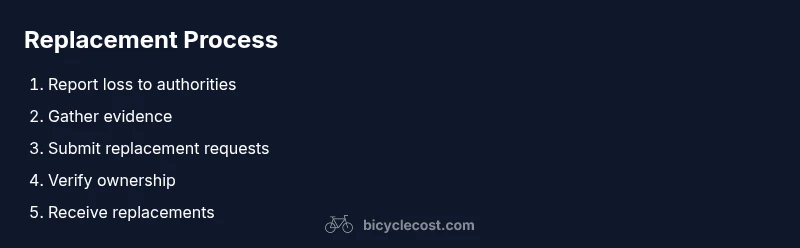
Losing bike papers can feel alarming, but you can recover quickly with a clear plan. Start by reporting the loss to the police or registry, gather alternatives like serial numbers, purchase receipts, and photos, and apply for replacement documents from the issuing authority. Keep digital copies and notes handy to speed up verification and prevent future losses.
What to do the moment you realize bike papers are missing
Losing bike papers can feel unsettling, but staying organized and methodical reduces the disruption you’ll face. Start with a calm plan and a clear checklist rather than rushing to conclusions. The first priority is to document what happened, gather any evidence you can, and outline the specific replacements you need. According to BicycleCost, taking swift but careful action helps you restore legal status for your bike sooner rather than later. You’ll be asked to provide identifying details, proof of ownership, and a credible narrative about how the loss occurred. If you ride daily, set a temporary plan for transit while you work through replacements. In most places, authorities accept a combination of forms, receipts, photos, and official letters, as long as they verify ownership and identity. By keeping records organized from the start, you’ll shorten delays and reduce the risk of fraud or misinterpretation.
Evidence you can gather before you replace documents
Before you submit replacement requests, assemble every piece of evidence that could support your case. Serial numbers, frame numbers, and identifiable marks help prove ownership even without the original papers. Gather purchase receipts, photos of the bike, and any service records that show your name and the bike’s details. If you registered the bike with a club or local authority, pull those records too. The more corroborating information you have, the easier it will be for the issuing agency to confirm your claim. BicycleCost analysis shows that many jurisdictions now accept digital scans, emails, or letters confirming ownership, but rules vary by region, so check the exact requirements for your area. Keeping a well-organized folder—physical and digital—will save time during the replacement process and minimize the risk of misplacing documents again in the future.
Who to contact to report the loss and start the replacement process
Your first step is to report the loss to the appropriate authority. In most regions, this means the local police or a city registry office, followed by the department that handles vehicle registration or bicycle licensing. Filing a report creates an official record that you can reference when applying for replacements. If the bike was insured, inform your insurer about the loss at the same time. Keep the report number, officer name, and the date handy. If you ride in multiple jurisdictions (work, school, weekend rides), you may need to file separate reports. The key is to document the event clearly and promptly so that all future paperwork aligns with the facts.
Replacing different documents: registration, title, insurance, receipts
Replacements come in several flavors, and the process for each varies by jurisdiction. For registration, you’ll typically submit an application, a proof of identity, and proof of ownership. For a title or certificate of ownership, you may need a police report in addition to purchase documents. Insurance papers can usually be updated or reissued with the new ownership information once ownership is verified. Fees and processing times differ widely; some agencies offer expedited options for a higher fee. Prepare copies of your ID, a current address, and contact details. If you don’t have the original receipt, a bank statement or credit card record may substitute, along with the bike’s serial or frame number. Having digital copies ready will speed the process dramatically.
Serial numbers, frames, and other identifiers that help prove ownership
Identifiers on a bike are your strongest defense when replacements are needed. The frame number, sometimes called the serial number, is usually stamped on the bottom bracket, dropout, or head tube. Photograph the stamps from multiple angles, and note any distinctive features (color pattern, decals, unique components). If your bike uses a U.S. or EU standard, the registry may require the exact number format, so double-check the digits. Write the number down in your records and store a copy with your other documents. When you present the replacement request, include this information along with a description of any accessories (rack, fenders, lights) that tie the ownership to you. If you’ve custom-built the bike or added aftermarket parts, keep receipts and notes for those items as well.
Digital backups and secure storage for future protection
The most reliable way to speed up future replacements is to maintain organized digital backups. Save high-resolution photos showing the bike, serial numbers, receipts, and proof of ownership. Store scans in cloud storage or encrypted drives, and keep a physical binder with copies of the most important documents. Use a simple indexing system so you can locate everything quickly. Regularly update these backups after maintenance, upgrades, or changes in ownership. Be mindful of privacy; share only the necessary information with authorities and insurers, and avoid posting sensitive data in unsecured channels.
What to do if your bike was stolen and you still need replacement papers
If loss is linked to theft, report it to the police immediately, and request a theft report number. Theft often triggers different procedures for replacement ownership documents, especially if the bike has a VIN or frame number that remains traceable. Coordinate with your insurer and the registry to prevent the thief from creating fraudulent records. In some places, stolen bikes can be recovered using serial numbers in a public database, so providing as much detail as possible helps. Do not delay; prompt reporting reduces complications and strengthens your case for replacements.
Templates and practical tools you can reuse
Prepare a short, factual note to accompany replacement requests. Sample language can include the bike make, model, frame number, approximate purchase date, and your contact information. Attach copies of IDs and receipts where allowed. If you need to write a letter to an agency, use a concise structure: what happened, when, where, who you are, and what you’re requesting. Keep templates for police reports, insurance notices, and replacement forms in your digital folder so you can customize them quickly in future needs. These tools save time and reduce back-and-forth with officials.
Quick-checklist and next steps
- Confirm loss occurred and document the details
- Gather serial numbers, receipts, and photos
- File a police report and contact the registry
- Request replacements and note processing times
- Save digital backups and bring physical copies to appointments
- Review insurance coverage and update as needed
- Schedule a follow-up to confirm receipt of replacements
This point-by-point checklist helps you stay on track and reduces the chance you’ll miss a required document. With diligence, you can reestablish official documentation and regain full riding freedom.
Tools & Materials
- Police report form or case number(Document the loss of bike papers; keep a copy.)
- Proof of identity(Government-issued ID (driver's license, passport).)
- Proof of ownership(Purchase receipt, original bill of sale, or dealer record.)
- Bike identifiers(Frame/serial number, photos, distinctive features.)
- Replacement forms(Applications for registration, title, and insurance as applicable.)
- Digital backups(Scans of documents stored securely (cloud or encrypted drive).)
- Contact information(Current address, phone, email for agencies and insurer.)
Steps
Estimated time: 60-120 minutes
- 1
Gather essential information
Collect your ID, bike details (frame/serial number, make, model), and any receipts or service records. This step creates a solid foundation for any replacement request and reduces back-and-forth with agencies.
Tip: Prepare a one-page summary listing bike details and ownership proofs. - 2
Check local requirements
Visit the official registry or police site to confirm which documents are accepted as replacements in your area. Rules vary by jurisdiction, so align your plan with local expectations.
Tip: Save a screenshot of the requirements page for your records. - 3
File a loss report with authorities
Submit a police report or theft/loss notice as required. Record the report number and officer/contact details. This official record is crucial for most replacement processes.
Tip: If reporting theft, request a theft report number and reference it in all correspondences. - 4
Submit replacement requests
Fill out replacement forms for registration, title, or insurance. Attach copies of ID, proof of ownership, and serial numbers. If digital submissions are allowed, ensure the files are legible.
Tip: Ask for confirmation receipts or reference numbers for each submission. - 5
Include serial numbers and identifiers
Provide the frame/serial number and any distinctive features. This helps agencies verify ownership even if the original papers are gone.
Tip: Photograph the frame stamps from multiple angles and keep the photos with your files. - 6
Arrange for payment and processing
Be prepared for processing fees and potential expedited options. Track the status of each replacement request and follow up if a timeline elapses.
Tip: Mark calendar reminders for expected processing windows. - 7
Update insurance and public records
Notify your insurer about replacements and confirm coverage. If a digital copy is accepted, securely share the updated documents.
Tip: Keep a backup of the final replacement confirmations in your digital folder. - 8
Store and organize backups for the future
Create a durable filing system — both physical and digital — to prevent future losses. Schedule periodic reviews of your backups.
Tip: Use a consistent naming convention for files (bikeName_date_type).
People Also Ask
Do I need the original receipt to replace bike papers?
Often, substitutions like bank statements, dealer records, or photos can support ownership claims. Exact requirements vary by jurisdiction, so check with the issuing agency.
Usually a replacement can be supported by alternative documents such as receipts, bank statements, or dealer records, but rules vary by location.
Can digital copies be accepted in place of physical documents?
Many agencies accept digital copies or scanned PDFs, especially when accompanied by identity verification. Verify what’s accepted locally and ensure scans are clear.
Digital copies are often accepted, but check with your local authority to confirm.
Who should I contact for replacements?
Start with the local registry or vehicle bureau and your local police department. If you have insurance, inform your insurer as well. Each jurisdiction has a specific workflow.
Contact the registry or police first, and inform your insurer if applicable.
Is there a cost or waiting time for replacements?
Yes, most replacements involve a small fee and a processing period that varies by agency. Expedited options may be available for higher fees.
There are usually fees and variable processing times; expedited options may exist.
What if my bike was stolen?
If theft is involved, file a theft report immediately and coordinate with your insurer and registry. A traceable frame number can aid in recovery and preventing fraud.
If stolen, report it right away and work with authorities to trace the bike.
Will insurance help with replacing documents?
Insurance may cover certain replacement costs or assist with the process, depending on your policy. Always notify them promptly and provide necessary documentation.
Your insurance may help cover some costs; inform them early and share required documents.
Watch Video
Quick Summary
- Act quickly to report loss and start replacements
- Collect serial numbers, receipts, and photos
- Submit replacements and track progress
- Create secure digital backups for future safety
- The BicycleCost team emphasizes prompt action and organized records to minimize disruption