Can You Get Bicycle Insurance? A Practical How-To Guide
Learn how to obtain bicycle insurance, what it covers, and how to compare policies. This educational guide from BicycleCost walks you through steps, tips, and common pitfalls to protect your ride.


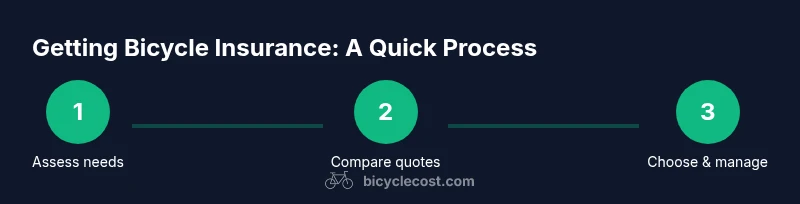
You can get bicycle insurance by comparing policies that cover theft, damage, liability, and accessories. Start by assessing your bike’s value, storage, and riding habits, then review deductibles, coverage limits, and exclusions. Get quotes online or through an agent, and choose a plan that fits your budget and risk level. Bundling with home or auto policies can yield extra savings, per BicycleCost.
Can you get bicycle insurance?
If you’re asking can you get bicycle insurance, the answer is yes. Insurance for bikes typically covers theft, accidental damage, and liability, plus equipment like lights, GPS devices, and upgraded parts. Coverage may extend to theft from your home or while you ride, depending on the policy. When shopping, think about your bike’s value, how and where you store it, and how often you ride in areas with higher theft risk. According to BicycleCost, proactive shoppers who document their bike’s value and security measures tend to secure better terms. Start by listing your bike's make, model, and serial number, then estimate its replacement cost. If you have high-end wheels or accessories, ask about coverage limits for those items. Finally, compare quotes that clearly spell out what is included and what would be excluded in a claim. This approach helps you avoid surprises when a claim is filed.
What does bicycle insurance cover?
Most bicycle insurance policies fall into a few core categories. Theft coverage reimburses you if your bike is stolen from home, a car, or while you ride, up to the policy limit. Damage coverage pays to repair or replace your bike after a crash, incident, or vandalism, within stated limits. Liability protection covers injuries or property damage you cause to others while riding, which can help with legal costs and medical bills. Some policies extend to accessories and equipment such as carbon components, wheels, lights, GPS devices, and smart locks. There may be exclusions, like neglect, racing, or international trips outside a defined region. When evaluating coverages, consider how your bike is stored at home, in a garage, or on a rack, since storage risk influences premiums. Also check if equipment riders (helmet, lock) are included or require an add-on. The goal is to align policy limits with your bike’s value and your risk tolerance, not to overpay for features you don’t need.
How to assess your coverage needs
To decide how much coverage you need, start with your bike’s current value and any upgrades. Use receipts, appraisals, or manufacturer lists to justify replacement costs. If you own multiple bikes, decide whether to insure each bike separately or purchase a rider policy that covers all bikes under one premium. Consider your riding habits: daily commuting in urban centers may warrant stronger theft protection, while weekend mountain rides might justify better damage protection. Take into account the local risk of theft, weather exposure, and storage options. If you have high-value accessories like carbon wheels or advanced groupsets, request explicit coverage limits for those items and document their condition with photos. Finally, decide on a deductible that balances your upfront cost with potential savings on premiums. A higher deductible lowers the premium but increases out-of-pocket costs after a claim. Note that some insurers offer policy customization; ask about add-ons such as coverage for accessories, race participation, or international trips within your region.
Types of policies and add-ons
There are several paths to bicycle coverage. Stand-alone bicycle insurance policies are designed specifically for bikes and typically include theft, damage, and some liability. Rider policies attach to broader home, auto, or renter policies and can be cheaper but may require you to meet other terms. Some insurers offer equipment riders that cover high-value upgrades—think wheels, electronic shifting, or custom finishes. Add-ons can include extended theft protection, worldwide coverage for travel, or enhanced liability limits. If you ride at races or on tours, check whether race exclusion applies and if coverage extends to organized events. Always confirm whether coverage travels with the bike when you lend it or take it to a shop for service. The right choice depends on your total bike value, your risk tolerance, and how much you’re willing to pay monthly or annually. BicycleCost’s analysis suggests that many riders benefit from a policy that clearly lists covered events and conditions.
How to compare policies effectively
Comparison is the key to getting real value. Start by listing each quote’s core numbers: premium, deductible, coverage limits, and a summary of inclusions. Read the fine print for exclusions, such as pre-existing damage, wear and tear, or theft outside defined regions. Verify whether accessories are included, and if not, what the rider would add. Check the claim process: how long payouts take, what documentation is needed, and whether you can file electronically. Look for storage-related coverage if your bike lives in a garage or outdoor shed, and confirm whether your locks, alarms, and tracking devices are covered. Consider bundling with other lines of insurance if it yields discounts. Finally, trust but verify: call the insurer for clarifications and ask for a written summary of the policy’s coverage and limitations. A careful head-to-head comparison saves time and money and reduces the risk of gaps when a claim arises.
Filing a claim and staying protected
If you ever need to file a claim, document the loss or damage with photos, obtain police reports if theft occurred, and keep receipts for any replacements or repairs. Notify the insurer promptly and follow the official process to avoid delays. Save all policy documents and your claim reference numbers in a dedicated folder or app. Review renewals each year to reassess value and risk: bikes grow in value as you upgrade, and riding habits change with seasons. Maintain up-to-date photos of your bike and its components, and keep a current inventory of accessories. If you sell or lend the bike, inform the insurer so they can adjust coverage accordingly. Finally, regularly reassess coverage: what was adequate last year may be insufficient now that you’ve invested in better security or higher-value parts. This ongoing diligence helps you stay protected without overpaying.
Tools & Materials
- Identity documents (driver's license or passport)(Essential for policy applications)
- Bike purchase receipt or proof of ownership(Needed to justify value)
- Serial number and photos of bike(Capture front, back, components)
- Proof of storage setup (garage, lock type)(Influences risk assessment)
- Credit/debit card or bank details(For premium payment)
- Device with internet access(For quotes and policy management)
Steps
Estimated time: 60-120 minutes
- 1
Gather bike details and documents
Collect make, model, year, serial number, purchase price, and current condition. Photograph key components and assemble receipts or appraisals to justify replacement cost. This foundation supports accurate coverage and helps prevent underinsuring.
Tip: Take fresh photos in good lighting and store them in a cloud-aligned folder. - 2
Estimate replacement value and choose coverage needs
Determine whether you want actual cash value or replacement cost coverage. Decide on deductible levels that balance monthly premiums with out-of-pocket costs after a claim. Consider whether high-value components require separate limits.
Tip: A higher deductible can noticeably lower annual premiums. - 3
Shop quotes from multiple insurers
Request quotes from at least three providers. Compare base premiums, deductibles, coverage limits, and inclusions. Note any required riders for accessories or international trips. Keep a simple grid to visualize differences.
Tip: Ask about pre-approval discounts or loyalty programs. - 4
Read policy documents for exclusions
Identify restricted situations such as racing, high-risk locations, or wear-and-tear exemptions. Confirm whether your security devices and locks are covered and under what conditions. Clarify whether second-hand or third-party parts affect coverage.
Tip: Highlight any ambiguous language and request clarification in writing. - 5
Decide on add-ons and riders
If you have expensive upgrades, request riders that cover wheels, groupsets, or electronic components. Consider worldwide coverage if you travel with the bike. Decide whether to bundle with home or auto policies to save.
Tip: Riders can be cost-effective for high-value components but ensure they’re necessary. - 6
Apply for coverage and set up policy access
Submit the application online or through an agent. Upload required documents and set up reminders for renewals. Confirm the claim process, required documentation, and preferred contact method.
Tip: Keep a digital copy of your policy and emergency contact numbers. - 7
Review policy documents and store safely
After purchase, read the declarations page and coverage limits carefully. Save digital copies in a secure folder and create a quick-reference summary for your phone. Update your inventory whenever upgrades occur.
Tip: Set calendar reminders to review coverage annually. - 8
Maintain ongoing security and documentation
Keep storage secure, update photos, and refresh appraisals when you upgrade. If you lend or sell the bike, notify the insurer to adjust coverage. Regularly reassess if your plan still aligns with risk and value.
Tip: A proactive approach prevents gaps in protection.
People Also Ask
What is bicycle insurance and is it required by law?
Bicycle insurance is not usually mandatory by law in most places, but it can protect you from financial loss due to theft, damage, or liability. Requirements vary by region and lender, so check local regulations and any loan or lease agreements.
Bicycle insurance isn’t typically required by law, but it can be important for cost protection if you own an expensive bike.
What does typical bicycle insurance cover?
Most policies cover theft, accidental damage, and liability. Some also cover accessory upgrades, storage in certain places, and international travel within policy terms. Always read exclusions to avoid surprises.
Most policies cover theft, damage, liability, and often upgrades, but exclusions apply.
Can I insure multiple bikes under one policy?
Yes, many insurers offer multi-bike or rider policies. You can insure each bike separately or bundle under a single rider, depending on value and usage. Check limits and transfer rules if bikes are loaned or sold.
Yes, you can cover multiple bikes, usually with a rider or per-bike approach.
Do I need to insure accessories like lights and locks?
Some policies include accessories automatically; others require an add-on. Document high-value items and keep receipts or appraisals to justify coverage.
Accessories may be included or require an add-on; confirm with your insurer.
How do deductibles affect premiums on bike insurance?
Higher deductibles reduce premiums but increase out-of-pocket costs after a claim. Choose a deductible you can comfortably pay before coverage kicks in.
A higher deductible lowers your premium but means you pay more if you claim.
How long does a motorcycle or bike insurance claim take?
Claim timelines vary by insurer and complexity. Having detailed documentation speeds processing. Ask for typical timelines during the quote phase.
Claims timelines vary; good documentation speeds things up.
Watch Video
Quick Summary
- Can you get bicycle insurance? Yes, with proper coverage and understanding.
- Compare claims, deductibles, and exclusions to avoid gaps.
- Document bike value, upgrades, and storage to justify limits.
- Regularly reassess coverage as bike value and risk evolve.