How to Bike with a Toddler: Safe Family Rides Guide
Discover practical, step-by-step guidance for biking with a toddler. Learn gear setup, safety plans, route tips, comforting routines, and how to ride with confidence.


Goal: you will safely ride with a toddler by selecting the right setup (seat or trailer), fitting helmets, planning kid-friendly routes, and starting with short, comfortable sessions. This guide covers gear choices, weight distribution, traffic awareness, breaks, and kid comfort. According to BicycleCost, proper preparation reduces risk and boosts enjoyment for the whole family.
Why biking with a toddler matters
Riding with a preschooler or toddler can be a rewarding way to combine fresh air, playtime, and family bonding. Yet it also requires careful planning, safer gear choices, and a clear understanding of limits for both the adult rider and the child. According to BicycleCost, thoughtful preparation reduces risk and increases enjoyment for everyone on the ride. Start with simple goals: practice balance, build confidence, and gradually extend the distance as your child gets more comfortable. By anchoring outings to predictable routines, you create reliable expectations and fewer surprises. This section lays the groundwork: why this activity matters, the mindset you bring, and how small, consistent steps pay off over time for long-term biking with a toddler. Remember that safety is a habit, not a one-time check. Consistency is your best ally, and patience your constant companion on the road.
Gear options: seats, trailers, and harnesses
There are multiple ways to bring a toddler along safely. A rear-mounted child bike seat is compact, lightweight, and keeps your child close. A towable trailer offers flexibility for larger distances and can convert to a stroller off the bike path. Some families use a trailer bike attachment that lets a child pedal along beside you with a parent-controlled steering. Each option has pros and cons, including weight limits, braking dynamics, and maneuverability. When selecting gear, prioritize fit, harness security, quick-release access, and compatibility with your bike. Remember to verify the weight rating and ensure the child’s head clearance when seated. The BicycleCost team emphasizes testing setups in a safe area before venturing onto streets. Also consider a backup plan if equipment fails mid-ride, such as a nearby park extension or shuttle route.
Safety basics and route planning
Safety starts long before you clip into pedals. Ensure both helmets fit snugly and sit level, with chin straps secure but comfortable. Check lights, reflectors, and visibility for low-light times. Plan routes with bike lanes or quiet streets, avoiding high-traffic intersections when possible. Carry a small first-aid kit and water for both rider and child. Teach your toddler simple signals such as pointing to hazards or slowing down, and practice in a calm, flat area before attempting hills. The BicycleCost analysis highlights that predictable routines and safer routes increase confidence and encourage more frequent outings. Consider weather and surface conditions: smooth pavement, dry weather, and minimal gravel reduce the risk of wobble or discomfort for a first-timer.
Sizing and fit for comfort
Fit matters as much as speed. A comfortable helmet that fits correctly, an appropriately sized child seat or trailer, and properly inflated tires matter for balance and stability. Check your own seating position and handlebar height to avoid back strain and to keep the child within eye line. If your child is too close to the wheel or neck strain appears, reassess the setup or seat height. For longer rides, plan rest breaks and shade stops to help the child stay happy and engaged. Remember that comfort supports safety; a tired child is more likely to fuss, cry, or fidget, disrupting control and attention on the road.
First rides: pacing, breaks, and expectations
Begin with 15–20 minute rides on flat, familiar routes. Keep a steady, moderate pace so your child can observe surroundings and hear your cues without feeling rushed. Build in short breaks to stretch, hydrate, and snack as needed. A calm, positive atmosphere makes a big difference; celebrate small wins and resist pressure to go farther than the child is ready. The emphasis should be on enjoyment, not duration. Over several weeks, gradually increase ride length by small increments while maintaining predictable schedules and safety checks.
Weather, terrain, and break strategies
Weather and terrain dramatically impact enjoyment and safety. If it rained recently, surfaces may be slick, so pick dry, shaded routes for the first weeks. On hilly terrain, consider routes with gentle gradients or signage to anticipate changes in effort. Always carry extra layers for the child and plan frequent breaks to avoid overheating or cold exposure. Sun protection is essential: hats or caps under helmets, sunscreen, and hydration breaks will help maintain mood and energy. If a route becomes too challenging, switch to a shorter, flatter loop or end the ride early to maintain positive experiences.
Common mistakes and how to avoid them
Overconfidence can be a real hazard when riding with a toddler. Avoid attempting long distances before your child’s comfort is established, and never force a pace or route. Skipping fittings or failing to verify helmet straps can invite injuries. Don’t neglect bike maintenance: brakes, tires, and gear must be in top condition. Finally, resist the urge to multitask—keep attention on traffic, signals, and your child’s behavior at all times. Learning from small missteps helps you build safer, smoother rides over time.
Tools & Materials
- Rear-mounted child bike seat(Ensure weight rating and secure harness; check mounting per manufacturer)
- Bike trailer (optional)(Alternative for longer rides or when seat is not suitable)
- Toddler helmet(Secure fit; straps snug under chin)
- Adult helmet(Protects rider in case of fall; ensure proper fit)
- Reflective gear and bike lights(Increase visibility in low light; wearable for toddler too)
- Bike in good working order(Brakes, gears, and frame integrity checked before rides)
- Puncture repair kit and spare tube(Be prepared for flats on longer rides)
- Water bottle(s) and hydration(Hydration for both rider and child; plan breaks accordingly)
Steps
Estimated time: 60-90 minutes
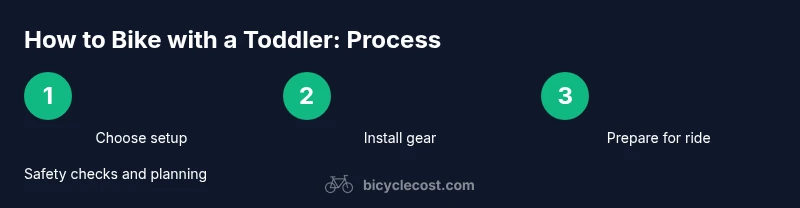
- 1
Decide setup
Assess your bike and child’s needs. Choose between a rear-mounted seat or a trailer based on your child’s age, weight, and comfort. Consider route length and terrain when making this decision.
Tip: Test both options in a safe area to feel the difference in handling. - 2
Install gear
Secure the seat or trailer according to the manufacturer’s instructions. Double-check fasteners and ensure no loose parts. Confirm the seat height and wheel clearance before stepping off.
Tip: Ask a helper to hold the bike steady while you attach equipment. - 3
Fit helmets
Fit both helmets snugly with straps fastened properly. The front edge should sit one inch above the eyebrows and sit level. Recheck fit after the first few minutes of movement.
Tip: Check after any off-bike adjustments or small bumps on the road. - 4
Prep bike and route
Inflate tires to recommended pressure, test brakes, and choose a route with bike lanes or low-traffic streets. Prepare for weather conditions with appropriate layers and sun protection.
Tip: Know where you can pause or exit if the ride becomes uncomfortable. - 5
Do a short test ride
Take a short loop in a quiet area to observe handling and the child’s response. Watch for fidgeting, discomfort, or distraction, and adjust as needed.
Tip: Keep speeds slow and maintain a steady cadence. - 6
Set pace and breaks
Maintain a comfortable pace and plan regular 1–3 minute breaks. Use breaks for hydration, snacks, and a quick check-in with the child.
Tip: Talk to your child during breaks to maintain engagement. - 7
Ridesafe habits
Use clear hand signals and avoid sudden stops. Stay aware of curb cuts, gravel patches, and potholes. Keep the child within sight and behind you.
Tip: Pre-announce any turns or stops. - 8
Cool-down and check
After finishing, inspect gear, verify tire pressure, and store equipment properly. Reflect on what worked and what to adjust for next time.
Tip: Document small improvements to track progress.
People Also Ask
What age is best for riding with a toddler in a bike seat?
A toddler should be able to sit upright with good neck control and fit within the seat’s weight limit. Use the seat only if the child is comfortable and the harness remains secure.
Choose a seat only when your child can sit upright and the harness fits snugly. Always check the weight limit before riding.
Should I use a bicycle trailer or a child seat?
Trailers offer more space and stability for younger children or longer trips, while seats keep the child close and simplify communication. Consider your bike type, space, and comfort level.
Trailers are great for longer trips; seats are good for brief rides close to home. Pick what fits your bike and comfort best.
What safety gear is required?
Both rider and child should wear properly fitted helmets. Use lights and reflective gear, and bring a small first-aid kit. Regular checks on brakes and tires are essential.
Wear helmets, lights, and reflective gear. Keep a simple first-aid kit handy and check brakes before every ride.
How should I plan routes for toddlers?
Choose routes with bike lanes or low-traffic streets, avoid busy intersections, and build in frequent breaks. Start in familiar, flat areas before attempting hills.
Plan safe routes with bike lanes and frequent rests. Start on flat, familiar roads to build confidence.
How long should the first ride be?
Aim for 15–20 minutes on flat ground, and stay close to home so you can return quickly if your child becomes uncomfortable.
Keep the first ride short, around 15 to 20 minutes, and near home in case you need to end early.
Watch Video
Quick Summary
- Choose the right setup before your ride.
- Plan kid-friendly routes with safe traffic conditions.
- Keep initial rides short and gradually extend them.
- The BicycleCost team recommends consistent practice for safety.