Buying a Used Bicycle: A Practical Guide
Learn how to buy a used bicycle with confidence—inspect, ride, verify ownership, and negotiate a fair price with this practical, step-by-step guide.


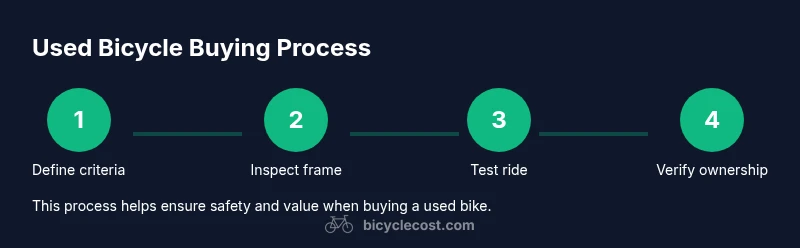
By following this guide, you’ll buy a used bicycle with confidence. You’ll learn how to assess frame condition, inspect components, test ride safely, verify ownership, and negotiate a fair price while avoiding scams. The steps are practical, workshop-tested, and designed for beginners and seasoned riders alike. This quick overview sets the stage for deeper checks and a smarter purchase.
Why buying a used bicycle makes sense
Buying a used bicycle can save you money, extend your budget, and reduce waste while still giving you a reliable ride. According to BicycleCost, the majority of buyers can access well-maintained bikes at a fraction of the new-bike price when they focus on essential safety checks and avoid common scams. Before you search, define your riding goals, set a realistic budget, and decide which upgrades you can handle or skip. A clear plan helps you filter candidates and prevent impulsive buys.
In this guide, we’ll walk you through practical strategies for evaluating condition, testing performance, and validating ownership, so you come away with a safe, dependable bicycle that fits your needs. The BicycleCost analysis also reminds buyers to consider age-related wear and typical replacement parts that influence value, so you avoid overpaying for a bike with hidden problems.
Define your riding needs before you shop
Before you start looking at listings, outline how you’ll use the bike. Will you ride city streets, tackle suburban hills, or venture onto light trails? Consider body measurements to determine proper frame size and reach. Decide on a budget that allows room for essential upgrades (brakes, tires, drivetrain) but keeps you within your comfort zone. By clarifying these points, you’ll filter out unsuitable candidates and focus on bikes that truly fit your lifestyle. Remember to account for required maintenance costs and potential future upgrades, which affect long-term value.
Inspect the frame, fork, and geometry
A solid frame is the backbone of safety and ride quality. Look for visible cracks, dents, or rust, especially around joints and welds. Spin each wheel to check for true rotation and listen for rubbing sounds. Check the fork steerer for smooth movement and no creaks. Compare the bike’s geometry to your own proportions; a poor fit can cause back or knee pain within minutes of riding. If you notice any flex under load, walk away. When in doubt, bring a trusted mechanic to assess the frame’s integrity.
Check wheels, tires, drivetrain, and brakes
Examine rims for flat spots, dents, or deep gouges. Inspect tire tread, sidewalls, and bead seating for wear or cracking. The drivetrain should shift smoothly with no skipping or grinding; inspect the chain, cassette, and chainrings for stretch using a chain wear tool. Check brake pads for wear and test both front and rear brakes for power and quick response. If you see excessive wear or high friction, factor in replacement costs when negotiating price.
Test ride and performance checks
Take a structured test ride in a safe area that mimics real riding conditions. Shift through all gears to confirm reliability, and listen for unusual noises from the chain, derailleur, or brakes. Evaluate braking distance, lever feel, and modulation. Note vibrations that could indicate wheel imbalance or loose components. If you feel unstable, awkward reach, or excessive seat height, the bike may not suit you even if it looks good on the outside. A thorough ride helps you judge comfort and safety.
Verify ownership, history, and paperwork
Ask for the bicycle’s serial number, original receipts, and service history. Run checks with the seller to confirm they own the bike and that it isn’t listed as stolen. A clean ownership trail adds peace of mind and can increase resale value for you later. If possible, verify the serial number with local databases or the manufacturer’s records. Documentation protects both buyer and seller and reduces the chance of post-purchase disputes.
Negotiate price and avoid scams
Base your offer on observed condition, competing listings, and the cost of any needed maintenance or replacements. Start with a fair but lower offer and present your findings clearly—frame wear, drivetrain condition, brake health, and maintenance history. Be prepared to walk away if the price doesn’t reflect the bike’s true value. Never rush payment; arrange a safe, traceable transfer and ask for a written bill of sale that includes the bike’s serial number and any included accessories.
After-purchase steps and maintenance plan
Once you own the bike, perform essential maintenance right away: check tire pressure, lube the chain, adjust brakes, and inspect wheels for true alignment. Schedule a professional tune-up within the first 4–6 weeks of ownership to ensure shifting remains crisp and brakes perform optimally. Keep all receipts and maintenance notes in case you resell the bike later. A proactive maintenance plan protects your investment and keeps you riding safely.
Where to buy and how to assess warranty and return policies
Consider buying from reputable shops that offer basic warranties or return policies, as these provide a safety net for early issues. Private sales can be cheaper but usually offer little or no post-sale support; if you choose this route, insist on a short test period and a clear return option if a hidden defect surfaces. Compare warranties, return windows, and what’s covered to determine which option delivers the best value for your needs.
Tools & Materials
- Bike stand or repair stand(Stable for hands-free inspection; avoid wobble)
- Allen keys (metric)(Set includes 4, 5, 6, 8 mm for common bolts)
- Torque wrench (optional)(Useful for reassembly to spec)
- Floor pump with gauge(Check tire pressure; bring a known PSI range)
- Chain wear tool(Checks chain stretch; replace if over limit)
- Lubricant (bike-specific)(Lubricate chain and moving parts after sale)
- Notebook and pen(Record observations and prices)
- Flashlight(Inspect dark corners, crank areas)
Steps
Estimated time: 2-6 hours
- 1
Define criteria & budget
Clarify your riding needs (commuting, fitness, or light trails) and set a strict budget. Determine acceptable age, frame material, and parts upgrades. This step saves time and helps you compare candidates consistently.
Tip: Write down your must-haves and deal-breakers before you start shopping. - 2
Inspect frame, fork & geometry
Look for cracks, dents, or welds on the frame. Spin the wheels to check for true rims and smooth rotation. Compare the bike’s geometry to your own proportions; a poor fit can cause discomfort or injury.
Tip: Use a flashlight to check welds and hidden cracks around joints. - 3
Check wheels, tires & drivetrain
Examine rims for flat spots, dents, or deep gouges. Check tire tread and sidewalls for wear. The drivetrain should shift smoothly with no skipping; inspect the chain, cassette, and chainrings for stretch.
Tip: Turn the pedals slowly while shifting to notice lag or misalignment. - 4
Test brakes & gears during ride
Take a structured test ride in a safe area; test both brakes and gears. Ensure quick engagement, no rubbing noises, and crisp gear changes across the range.
Tip: Practice emergency stops; if brakes feel spongy, avoid the bike. - 5
Verify ownership & history
Ask for receipts, service history, and the bike’s serial number. Verify ownership with the seller and check that the bike isn’t listed as stolen.
Tip: Google or check local theft databases if available. - 6
Negotiate price & arrange payment
Estimate replacement costs for worn parts and maintenance needs. Start with a lower offer and justify with your findings. Use a safe, traceable payment method.
Tip: Be prepared to walk away if the price doesn’t reflect condition. - 7
Finalize sale & collect documents
Get a written bill of sale, record the serial number, and ensure you receive all keys, accessories, and manuals.
Tip: Take photos of the bike and serial label for your records. - 8
Plan immediate maintenance
After purchase, replace safety-critical parts if needed and set a maintenance schedule. Clean and store properly to extend life.
Tip: Schedule a professional tune-up within 2–4 weeks. - 9
Test ride the purchase plan
Re-test the bike after purchase to confirm it meets expectations and remains safe for daily use. Address issues promptly or rethink the purchase.
Tip: Keep receipts and notes handy for future maintenance.
People Also Ask
Should I buy from a private seller or a bike shop?
Private sellers can offer lower prices but may lack returns or warranties. Shops often provide basic service and return policies. Weigh risk vs reward based on your comfort and the bike's condition.
Private sellers can be cheaper, but shops often offer some warranty and service after purchase.
How can I tell if a bike is safe to ride?
Inspect the frame for cracks, test brakes and gears, and listen for unusual noises during a ride. If anything feels off, don’t ride it hard or proceed with the purchase.
Check brakes, gears, and frame; if in doubt, skip the bike.
What should I do to verify ownership?
Ask for receipts, service history, and the serial number. Verify the serial with the seller and check public theft databases if available.
Get the serial and receipts and verify ownership.
What price range is typical for used bikes?
Prices vary by age, condition, and model. Compare against similar bikes in your area and consider replacement parts costs for worn components.
Compare with similar bikes and consider needed parts.
What details should I record before buying?
Document observed wear, part condition, ride feel, and any maintenance history. Take clear photos of frame, tires, brakes, and serial label.
Record wear, parts condition, and ride feel.
What if the bike is stolen?
If stolen, you should walk away and report suspicious activity. Check serial numbers and ensure seller has legitimate ownership.
If stolen, don’t buy; report and move on.
Watch Video
Quick Summary
- Inspect frame, brakes, and drivetrain thoroughly
- Test ride to confirm performance and fit
- Verify ownership and paperwork to avoid scams
- Negotiate price based on wear and maintenance needs
- Plan a post-purchase maintenance schedule with BicycleCost guidance