Used Bicycles Near Me: Practical Guide to Smart Purchases
Learn practical steps to find reliable used bicycles near you, including inspection checklists, sizing guidance, price ranges, maintenance, and safe buying tips from BicycleCost.


To find reliable used bicycles near me, start by defining your rider profile and budget, then inspect the frame, drivetrain, brakes, tires, and wheels for wear. Compare local shops, classifieds, and bike co-ops, and verify service history. According to BicycleCost, the best deals balance price with ride-ready condition and a clear maintenance trail. Always ride test before buying.
Market overview: used bicycles near me
The market for used bicycles near me has grown as riders seek affordable, sustainable transportation. In 2026, shoppers increasingly mix online listings with in-store options, which accelerates turnover but also raises the importance of immediate inspection. According to BicycleCost, there is a clear premium for bikes with documented maintenance history and a clean safety record. Buyers who understand local inventory trends—age of frames, typical components, and common wear patterns—can spot value faster and avoid overpaying for projects that require substantial work. This section outlines how to read your local market, what signs indicate a solid purchase, and how to balance price with ride-ready condition. The blend of neighborhood bike shops, swap meets, and reputable online marketplaces creates a spectrum of opportunities; the key is to evaluate each listing against a standard checklist and a realistic sense of what a bike will cost to own over the first year.
" + "
Key inspection checklist before you buy
A thorough inspection is the most reliable guard against buying a lemon. Start with the frame: look for cracks, dents, or corrosion at joints, head tube, and bottom bracket area. Spin each wheel to check for true and roundness; assess rim wear and spoke tension. Move to the drivetrain: examine chain wear, cassette wear, and front and rear derailleur alignment; ensure the gears shift smoothly with crisp indexing. Inspect brakes (disc or rim), levers, and cables for responsiveness and padding wear. Check tires for tread depth and sidewall cracks. Confirm headset bearings rotate freely without play, and test the bottom bracket for smooth rotation. Finally, verify serial numbers, service history, and any recent maintenance records. If a component needs replacing soon, factor that into price negotiations. Taking photos of wear and labeling parts helps you recall details when negotiating.
Sizing, fit, and choosing the right frame
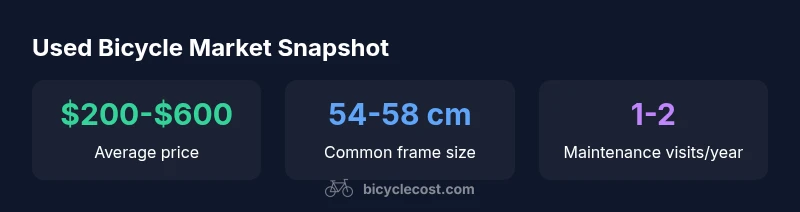
Sizing is the cornerstone of comfortable riding. Measure the inseam for standover height and compare frame sizes using the manufacturer’s size chart. A bike should allow about 1-2 inches of clearance when standing over the top tube. Sit while you pedal to assess reach and saddle height; your knee should be slightly bent at the bottom of the pedal stroke. For road bikes, a slightly more aggressive position is common, while hybrids and city bikes favor a taller headtube for an upright ride. If you plan to upgrade components, verify that the frame can accommodate larger tires or a wider crankset. Don’t overlook wheel size; 26" and 29" wheels have different ride characteristics. If you’re between sizes, testing both on a ride helps determine the best fit. Remember to bring a friend for a second opinion on geometry and comfort.
Price ranges and negotiation strategies
Used bicycle pricing reflects age, condition, and market demand. Expect price variation by region, but use a baseline to anchor your negotiation. A fair starting point is to compare a few listings with similar frame size, age, and component quality. Be prepared to walk away if a deal seems predatory or the bike has hidden issues. Propose a price that leaves room for essential repairs and safety upgrades, such as replacing worn tires, a chain, or pads. Ask for documentation of recent maintenance and any warranty offered by the seller or shop. If buying from a shop, inquire about return policies, post-sale service, and bundled maintenance offers. Use a calm, data-driven approach and be ready to compromise on cosmetic flaws if the core mechanicals are solid. Remember: the best deals balance price with ride-ready reliability, not just a low sticker price.
Where to shop: local shops, community workshops, and online marketplaces
Local bike shops often have used inventory with certified safety checks and a service history, making them a reliable starting point. Community bike programs and swap meets can yield excellent value, especially when you’re flexible on model. Online marketplaces expand options but require diligence: request detailed photos, verify seller identity, and arrange a safe pickup. For added security, consider bringing a friend and test riding with your own gear to gauge fit. When shopping near you, widen your search radius to nearby towns or neighborhoods; inventory can shift quickly, and you may uncover a hidden gem at a fair price. Remember to compare after-sales services and ensure you can access basic maintenance locally.
Safety, maintenance, and immediate care after purchase
After purchasing a used bike, perform a quick safety audit and plan ongoing maintenance. Replace or service critical items first: tires, brakes, chain, and cables. Check the wheels for true and ensure quick-release skewers are secure. Lubricate the chain and derailleur pivots, and inspect the brake pads for wear. Record service dates and mileage to track wear patterns over time. Invest in a basic tool kit for roadside adjustments and a portable pump with the correct valve type. Store the bike safely when not in use and maintain proper tire pressure to extend life. Regular cleaning helps you spot impending issues such as rust or frame damage early. A well-maintained used bike can perform nearly as well as a new model at a fraction of the cost.
Verifying seller legitimacy and avoiding scams
To protect yourself, verify seller identity and listing authenticity before meeting. Look for consistent contact information, clear photos, and transparent ride history. Be wary of listings that lack detailed specifications or ask for unusual payment methods. When meeting, choose a public, well-lit location and bring a friend. Arrange a test ride and insist on inspecting the serial number and ownership documents. If the seller claims a “no questions asked” return, request a written warranty or proof of recent maintenance. Compare the listing with market data for your region to avoid overpriced or underpriced flags. Finally, trust your instincts: if a deal sounds too good to be true, it probably is, and it’s safer to walk away and consult a reputable shop instead.
How BicycleCost can help you ride smarter
BicycleCost provides AI-powered bike guides to help you ride smarter and safer. By compiling market data, maintenance guidelines, and sizing advice from experts, the platform helps you make data-driven decisions when shopping for used bicycles near you. Use BicycleCost’s step-by-step checklists, price range guidance, and safety tips to evaluate listings, schedule test rides, and plan post-purchase maintenance. With our insights, you’ll understand how to balance cost with reliability and longevity, ensuring a dependable ride while staying within budget. The BicycleCost team recommends combining hands-on inspection with a clear maintenance plan to maximize value and safety over the bike’s lifetime.
Typical price ranges by model type for used bicycles
| Model Type | Typical Price Range | Notes |
|---|---|---|
| Used Road Bike | $150-$900 | Condition and wear vary |
| Used Mountain Bike | $200-$1200 | Check suspension wear |
| Used Hybrid Bike | $180-$800 | Great for commuting |
People Also Ask
What is a fair price for a used bicycle near me?
Prices vary by region and condition, but a fair starting point is to compare several listings with similar frame size and age. Factor in any needed repairs and safety upgrades when finalizing your offer.
Prices vary by region and condition, but compare several listings and consider repairs before offering.
How can I tell if a used bike frame is safe?
Look for cracks, dents, rust at welds, and corrosion. Check the head tube and bottom bracket area for play. A test ride helps reveal any weak spots in real riding conditions.
Inspect the frame for cracks and play; test ride to confirm safety.
Shop or private seller: which is better for used bikes?
Shops typically offer inspected bikes and post-sale service, while private sellers can have lower prices but higher risk. Balance price with reliability and after-sale support when choosing.
Shops give safety nets; private sellers can be cheaper but riskier.
What maintenance items are essential before riding a used bike?
Replace worn tires, check brakes, replace the chain if stretched, and ensure gears shift cleanly. A quick safety check is worth the extra effort.
Prioritize tires, brakes, and the chain before riding.
How can I verify seller legitimacy?
Verify contact details, request maintenance history, and ask for recent service receipts. Meet in public, inspect the serial number, and be cautious of unusual payment requests.
Check history, meet in public, and inspect serial numbers.
Are used electric bikes common in the market?
Used e-bikes exist but require extra scrutiny: check battery health, motor, and warranty. Expect higher prices and more wear on electrical components.
Used e-bikes are available, but battery and motor health matter most.
“The best value in the used bike market comes from a bike with clear maintenance history and verified safety checks, not the lowest upfront price.”
Quick Summary
- Define rider profile and budget before shopping.
- Inspect drivetrain, brakes, tires, and frame thoroughly.
- Prioritize ride-ready condition over cheapest price.
- Compare listings across shops and marketplaces.
- Ask for maintenance history and a written record.