How to Buy a Bicycle Online: A Practical Guide
Learn how to buy a bicycle online with confidence. This guide covers sizing, fit, model comparison, retailer reliability, shipping, and setup—providing practical steps to a smart, safe online bike purchase.


You will learn how to buy a bicycle online with confidence: choose the right frame size, rider fit, wheel size, and components; compare models; verify seller reliability; review return policies; estimate total costs including shipping; and set up proper sizing with bike fit guidance. You'll also learn how to check sizing charts, read user reviews, and avoid scams.
Why online bicycle shopping can save you money and widen your choices
Buying a bicycle online opens up a broader selection than most local shops, often at visible price points and with helpful buyer reviews. According to BicycleCost, online retailers typically offer extensive sizing guides and model comparisons that empower you to make smarter choices without hopping from store to store. This section explains how to leverage those resources to narrow your options, compare similar frames, and spot good value. You’ll quickly see that the right online approach reduces the friction of making a large purchase from home. The BicycleCost team emphasizes starting with your riding goals, budget, and space constraints, then moving to sizing charts and geometry data. Expect to spend time cross-checking model specifications and return policies to avoid costly surprises after delivery. By the end, you’ll have a clear shortlist and a plan for safe online ordering that aligns with your needs and budget.
Understanding sizing and fit before you buy
Sizing a bicycle is more than guessing your inseam — it’s about frame reach, standover height, and overall rider comfort. Use sizing charts from manufacturers and retailers as your first reference, then validate with your own measurements. Inseam length helps estimate frame size while reach and stack numbers indicate how stretched or upright you’ll be on the bike. For a precise fit, measure your torso length, arm reach, and leg extension, and compare these against the geometry data on product pages. If you’re between sizes, consider opting for the larger size with a shorter stem or a shorter stem with a negative rise. The BicycleCost analysis highlights that proper fit dramatically reduces fatigue and the risk of injury on longer rides. You’ll also want to consider wheel size relative to your typical riding terrain and handling preferences, especially for road, gravel, or mountain bikes.
How to compare bikes and retailers online for real value
Start with your riding goals: commuting, fitness, weekend rides, or off-road adventures. Then compare bikes within the same category by weight, gearing, braking system, wheel size, and maintenance needs. Pay close attention to the geometry numbers and the component groupsets, since those affect performance and long-term durability. Read both manufacturer notes and independent reviews to understand how a bike feels in real-world conditions. Check the retailer’s return policy, warranty coverage, and shipping options. If possible, search for professional bike-fitting services offered by the seller or nearby shops in case you want a hands-on fit check after delivery. The goal is to create a shortlist of models that match your budget and riding style while ensuring you can return or exchange if the fit isn’t right.
Reading sizing charts and bicycle geometry like a pro
Geometry data on product pages includes terms such as reach, stack, top tube length, seat-tube length, and head angle. These figures describe how a bike will feel on the road or trail and help predict reach to your handlebars and knee clearance. Start with your current bike as a reference if you have one, noting its stack and reach, then find the closest match in the online chart. Recognize that sizing charts vary by brand and frame geometry, so cross-check with multiple sources when available. If you are new to geometry terminology, look for glossaries or quick explanations on retailer pages. Remember, a better fit reduces discomfort and maximizes efficiency, especially on longer rides. BicycleCost’s guidance stresses aligning frame size with your inseam, torso length, and arm reach to minimize post-purchase adjustments.
Verifying seller reliability and avoiding scams online
Reputable retailers provide clear contact information, transparent warranty terms, and a straightforward return process. Verify the seller’s business details, check third-party reviews, and look for secure payment options and shipping insurance. Be cautious of listings with unusually low prices, vague descriptions, or inconsistent photos. A reliable seller will offer printed or digital sizing guides, accurate model-year information, and accessible customer support. Before placing an order, confirm that the seller ships to your location, provides tracking, and offers assembly services or guidance for building the bike at home. The BicycleCost Team notes that choosing established retailers with positive customer feedback reduces post-purchase stress and return headaches.
Planning the purchase: pricing, shipping, taxes, and setup
Online pricing can fluctuate with promotions and seasonal sales, so compare models across retailers and watch for bundled accessories. Consider the total delivered cost, including shipping, taxes, and potential import fees if ordering internationally. Some bikes ship partially assembled; others require full assembly. Decide if you’ll assemble the bike yourself or rely on the seller’s assembly service, and budget for basic tools if you plan a DIY setup. After delivery, allocate time for a detailed initial setup: install pedals, adjust brakes and derailleurs, set saddle and stem positions, and perform a basic safety check before your first ride. With careful planning, online purchasing can deliver excellent value while keeping assembly straightforward.
Tools & Materials
- Internet-enabled device (computer, tablet, or smartphone)(Access retailer websites and sizing guides)
- Measuring tape(To capture inseam, torso length, and reach for sizing)
- Access to retailer sizing charts(From manufacturer or retailer product pages)
- Notebook or notes app(Record model pros/cons, measurements, and prices)
Steps
Estimated time: 60-90 minutes
- 1
Identify riding goals and budget
Define how you’ll use the bike (commute, fitness, or weekend rides) and set a realistic budget that includes potential accessories and shipping. This clarity focuses your later comparisons and sizing decisions. Consider space for storage and any local assembly costs you might incur.
Tip: Write down 3 must-haves and 2 nice-to-haves to keep comparisons sharp. - 2
Measure yourself for frame size
Take accurate inseam measurement and note torso length and arm reach. Use a sizing chart from the bike brand as a baseline, then adjust for your comfort preferences (more upright vs more aggressive riding position). If you’re between sizes, plan for a consult with a fitter or a local shop if possible.
Tip: Double-check measurements with a friend or family member to avoid rounding errors. - 3
Select type and core specs
Choose bike type based on terrain and riding goals (road, gravel, mountain, or hybrid). Compare frame geometry, drivetrain, brakes, and wheel size across models in your shortlist. Prioritize fit and reliability over flashy aesthetics when you’re buying online.
Tip: Prioritize a model with widely available spare parts and service support. - 4
Compare retailers and read reviews
Check retailer reputability, warranty terms, and return policies. Read buyer reviews to gauge real-world satisfaction and potential hidden costs. Validate shipping times and whether assembly services are included or available locally.
Tip: Cross-check seller ratings on independent review sites before purchasing. - 5
Place order with a clear assembly plan
Choose a delivery option that aligns with your space and schedule. If assembling yourself, gather basic tools and follow the manufacturer’s assembly guide step by step. If shipping requires professional assembly, confirm availability and cost with the retailer.
Tip: Have a friend assist during first assembly to ensure components are torqued correctly. - 6
Check fit after delivery and adjust
Carefully examine the delivered bike for correct size, brake/s derailleur alignment, and tire condition. Set saddle height and handlebar reach to match your measurements, then do a cautious test ride. Return or exchange promptly if anything feels off or if the fit isn’t right.
Tip: Record the bike’s setup measurements and keep the receipt and warranty information handy.
People Also Ask
What is the safest way to buy a bicycle online?
Buy from reputable retailers with clear warranty terms, accurate product descriptions, and a transparent return policy. Read multiple reviews, verify shipping options, and confirm sizing guides before purchase.
Buy from trusted retailers with clear warranties and return policies, and always check sizing guides before buying.
How do sizing charts help me choose the right bike?
Sizing charts translate your measurements into frame sizes. Use inseam and reach as primary references, then compare with geometry data to predict fit and comfort across different brands.
Sizing charts convert your measurements into frame size choices, helping predict fit.
Can I return a bike if it doesn’t fit?
Many retailers offer return windows and exchange options, but terms vary. Check who covers return shipping, timing, and whether the bike must be unused or in original packaging.
Most retailers offer returns, but check the terms and who pays for shipping.
Store vs marketplace: where should I buy online?
Brand-direct stores often provide best access to sizing resources and service, while marketplaces can offer broader selection and price competition. Compare both but focus on reliability, support, and return terms.
Brand stores usually offer better fitting resources; marketplaces can have more options but check policies carefully.
What are hidden costs when buying online?
Watch for shipping, taxes, and potential import fees. Some bikes require partial assembly, which may incur labor costs. Confirm all charges before checkout.
Shipping, taxes, and possible assembly fees can add up—check all charges before buying.
Watch Video
Quick Summary
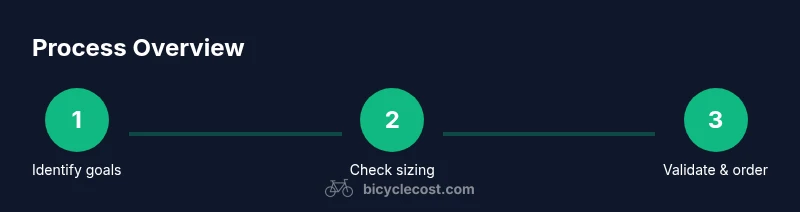
- Identify goals and budget to guide your purchase.
- Measure yourself accurately and use sizing charts for frame size.
- Compare bikes by geometry and components, not just price.
- Verify retailer reliability and return policies before buying.
- Plan assembly and post-delivery fit checks to avoid surprises.