Shop Bicycle Online: A Practical Buyer's Guide
Discover how to shop a bicycle online with confidence. Learn sizing, component choices, price ranges, shipping, and returns to pick a safe, well-fitting ride from BicycleCost.


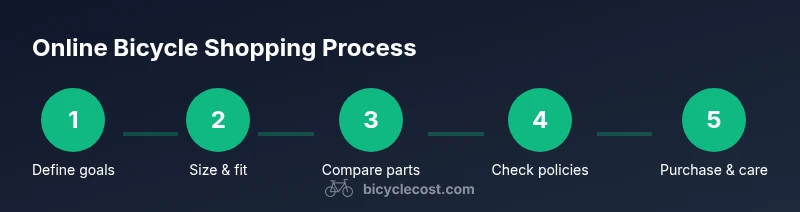
This guide shows you how to shop bicycle online with confidence. You’ll learn to define riding needs, verify sizing with charts, compare components and brands, assess seller policies, and complete a smart online purchase. Follow practical steps to avoid mismatches, hidden costs, and delays while finding a bike that matches your budget and goals.
Why buying a bicycle online can be a smart move
Shopping a bicycle online offers a wide selection, transparent pricing, and the ability to compare models side-by-side from the comfort of your home. You can filter by size, geometry, components, and price without the pressure of a showroom. The BicycleCost team has found that online browsing often reveals options that aren’t available locally, helping riders tailor a bike to their exact needs. A thoughtful online approach also gives you time to read reviews, check sizing charts, and plan assembly or delivery timing. By starting with clear goals and a budget, you can narrow choices quickly and still maintain flexibility for future upgrades. If you’re new to buying bikes online, this guide will walk you through practical steps and safety checks that keep you from overspending or ending up with a frame that doesn’t fit.
Key considerations when you shop bicycle online
- Define your riding goals (commuting, road racing, mountain trails, or casual weekend rides).
- Decide on a budget range and a realistic tolerance for upgrades or accessories.
- Understand sizing concepts like frame reach, stack, and standover height.
- Look for reliable size charts and retailer policies before you add anything to your cart.
By anchoring your search to these factors, you’ll waste less time browsing models that don’t fit your needs. The goal is to balance fit, intended use, and long-term value rather than chasing the newest feature.
The role of size and geometry in online choices
Size and geometry determine ride feel more than color or weight. Framed in inches or centimeters, the frame size must match your inseam length and overall height for comfortable pedaling and handling. Online buyers should measure their inseam and arm reach, then consult manufacturer charts for the corresponding frame size and stack/reach numbers. If you’re between sizes, many retailers suggest choosing the smaller size for a better indoor test ride; others recommend the larger size and using stem spacers or a different handlebar. Remember that different brands have different sizing quirks, so always cross-check with the maker’s chart. This is where a careful online purchase becomes a smart investment in your riding comfort and safety.
Understanding components and price ranges
Bikes at the entry level typically use simpler drivetrain and braking systems, while mid-range and higher-end builds offer lighter frames, higher-quality components, and more precise geometry tuning. Expect a meaningful difference in feel between alloy versus carbon frames, mechanical versus hydraulic brakes, and entry-level vs. mid-tier groupsets. When shopping online, you can compare components side-by-side and estimate total ownership costs, including upgrades and maintenance. The BicycleCost analysis shows that the highest-value choices balance cost with durability and spare-parts availability, rather than chasing premium labels. Use price bands to guide decisions without sacrificing essential features for your riding style.
Safety features, maintenance needs, and delivery considerations
Online purchases should include clear disclosures about wheel/tire setup, required assembly, and included tools. Verify that the bike ships with essential safety features such as reflectors, reliable brakes, and correct tire pressures. Consider maintenance costs and availability of spare parts in your region. Delivery timing can affect your riding schedule, especially if the bike requires professional assembly. Some retailers offer white-glove delivery or local setup; others ship as-is for you to assemble. Planning ahead reduces the risk of delays and ensures you can ride soon after arrival.
How to evaluate seller reliability and return policies
Trustworthy retailers provide transparent return windows, clear warranty terms, and accessible customer support. Check shipping costs, insurance coverage, and whether assembly is included or offered as an add-on. Look for seller reputation signals such as verified reviews, detailed product specifications, and consistent customer service responses. If you’re unsure, contact support with questions about frame sizing, component compatibility, and after-sale service. A well-defined policy reduces the risk of post-purchase regret and makes it easier to resolve issues quickly. The BicycleCost approach emphasizes choosing retailers with robust support and fair terms, especially for first-time online bike buyers.
Tools & Materials
- Internet-enabled device(Smartphone, tablet, or computer with reliable connection)
- Payment method(Credit/debit card or digital wallet; ensure secure checkout)
- Measuring tape(For inseam and seat-tube length verification during sizing checks)
- Access to size charts(Have manufacturer charts or a trusted sizing tool handy)
Steps
Estimated time: 30-60 minutes
- 1
Define riding goals and budget
Identify your primary riding contexts (commuting, leisure, fitness, or adventure) and set a realistic budget. This helps you filter models quickly and prevents overspending on unnecessary features. Consider future upgrades when setting the price range.
Tip: Write down two non-negotiables (frame size, braking type) to guide your search. - 2
Measure yourself and read sizing charts
Measure your inseam and height, then compare with each brand’s size chart. Remember that geometry varies by brand, so don’t assume a universal size. If between sizes, decide based on your most important fit parameter (standover clearance or reach).
Tip: Use a friend to help hold the bike upright while you compare measurements to the charts. - 3
Compare components and frame options
Evaluate drivetrain, brakes, weight, and frame material. Compare entry-level, mid-range, and higher-end builds across several brands to identify the best value for your needs. Read spec sheets and user reviews for real-world performance insights.
Tip: Prioritize components that affect YOU most (shifting precision, braking feel, or weight). - 4
Check retailer reliability and policies
Review return windows, warranty coverage, shipping costs, and whether assembly is included. A strong policy reduces risk if the bike doesn’t fit or if parts arrive damaged. Watch for restocking fees and lead times before purchase.
Tip: Prefer retailers with clear contact options and local service networks. - 5
Read reviews and seek fit feedback
Scan multiple user reviews for consistency on sizing, comfort, and durability. Look for comments from riders with similar height, inseam, and riding goals. Use verified reviews to gauge common issues and long-term satisfaction.
Tip: Filter reviews by rider height and riding style to find relevant feedback. - 6
Confirm shipping, assembly, and setup
Ensure you understand who will assemble the bike, what tools are provided, and whether a local bike shop can assist. Confirm delivery windows and any required signature. If assembly is DIY, verify included manuals and support resources.
Tip: Ask for a pre-delivery checklist so you know what to check on arrival. - 7
Place the order and plan post-purchase care
Proceed to checkout with your preferred payment method. Save order confirmations and document serial numbers when provided. Schedule a post-purchase bike fit or service if offered, and plan routine maintenance to extend the bike’s life.
Tip: Set a maintenance calendar and stock essential tools and lubrication.
People Also Ask
How do I determine my bike size when shopping online?
Start with your inseam and height, then consult the brand's size chart for frame size, reach, and standover height. If you’re between sizes, consider your dominant riding position and comfort with reach. When in doubt, contact the retailer for guidance or request a virtual fit consult.
To size a bike online, use your inseam and height, check the brand’s chart, and decide based on comfort and reach. If unsure, ask the retailer for fit guidance.
What should I check before buying a used bike online?
Ask for clear photos of the frame, drivetrain, brakes, and wheels. Verify the bike’s history, inspect for frame cracks, rust, and wear, and request a zoomed view of components. If possible, arrange a local inspection or test ride with a service professional.
When buying used online, review photos for frame damage, inspect brakes and drivetrain, and ask for a local inspection if possible.
How can I compare shipping and assembly options across retailers?
Compare delivery methods, who assembles the bike, and whether the price includes setup. Look for in-home delivery or shop pickup options, and confirm who bears responsibility for adjustments after delivery. Clear policies help you avoid surprises at delivery.
Compare who assembles the bike, delivery options, and who pays for setup to avoid surprises at delivery.
Are online prices reliable across retailers?
Prices can vary due to promotions or stock, but the total ownership cost—including assembly, taxes, and shipping—matters more than the sticker price. Compare total costs and check for hidden fees before finalizing.
Prices vary; always compare total ownership cost, not just the sticker price.
What red flags should I watch for when shopping online?
Beware vague specifications, inconsistent photos, or evasive seller responses. Slow customer support, unrealistic delivery promises, or excessive return restrictions are warning signs. Trustworthy retailers provide clear details and responsive support.
Watch for vague specs, poor photos, and evasive support. Trustworthy sellers are clear and responsive.
Watch Video
Quick Summary
- Define riding goals and budget before browsing.
- Prioritize fit and geometry over aesthetics or features.
- Compare components and price bands across brands.
- Check retailer policies to reduce risk of delays or costs.