How to Get Rid of Old Bicycles: Practical Options for Safe Disposal
Learn practical, eco-friendly ways to dispose of old bicycles, including donation, resale, recycling, and responsible disposal, with step-by-step guidance and local resource tips.


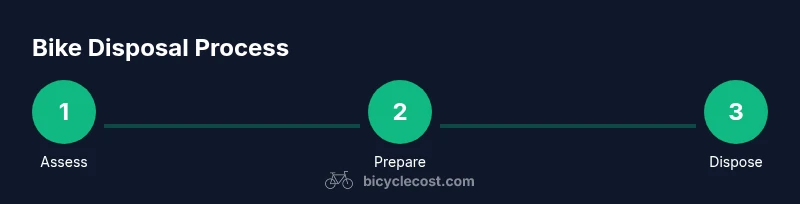
Getting rid of old bicycles doesn’t have to be difficult. You can donate, sell, recycle, or responsibly dispose of parts, depending on condition. Start by assessing whether the bike is usable, then explore local charities, thrift shops, and municipal programs. If it’s unsalvageable, seek a recycling facility that accepts metal frames and bike components to reduce waste.
How to get rid of old bicycles the right way
If you’re asking how to get rid of old bicycles, you’re not alone. This guide walks you through practical, eco-friendly options that reduce waste and maximize reuse. According to BicycleCost, keeping a bike out of landfills benefits communities and the environment. Start by evaluating the bike’s condition: is it usable as-is, reparable with a few parts, or beyond saving? Your decision will shape the best disposal path and help you avoid common mistakes. In many communities, simple steps like cleaning the frame, removing personal items, and gathering basic documentation can speed up donations or resale while ensuring compliance with local rules. By planning ahead, you can turn an old bike into value for someone else or into recycled materials for new products.
Practical options that fit most bikes
There are several practical routes to get rid of old bicycles, depending on condition, local programs, and your goals (donation, resale, or recycling). Start with goodwill channels for usable bikes, then consider resale to recover value if the bike is in decent shape. If parts are salvageable, you can strip components for reuse or sale. For non-salvageable frames, recycling facilities or metal scrap yards are the responsible choice. Contact local bike shops, charitable organizations, and municipal recycling programs to understand what they accept and any pickup options. Always check if you need a receipt for donations or tax considerations, and keep a few photos of the bike to illustrate its condition when you donate or list it for sale.
Donating your bike: guidelines and best practices
Donating a bike is often the easiest path and helps community programs. Look for local bike co-ops, churches, schools, or nonprofits that accept used bicycles. Clean the bike, remove personal accessories, and ensure it’s safe to ride if the recipient will use it as-is. Some organizations offer free pickup; others require you to drop off. Provide a brief description of the bike’s condition and any recent maintenance to improve eligibility. If a pickup is arranged, be ready with access directions and a clean, accessible location. Save any donation receipts for your records or tax purposes.
Selling or trading in for value
Selling a bike that’s still rideable can yield cash and extend the bike’s life in a new owner’s hands. Take clear photos in good lighting, highlighting the frame, tires, brakes, and any flaws. List the bike on local marketplaces, bike-focused forums, or community groups, and set a fair price based on age, condition, and market demand. Be transparent about issues to avoid disputes. If your local bike shop offers trade-ins or consignment, weigh the convenience against potential profits. Always arrange safe handoffs and meet in a public space if selling in person.
Recycling and responsible disposal: what to recycle
Even if a bike isn’t rideable, many components can be recycled. Metal frames, aluminum rims, gears, and chains are often accepted by metal recyclers. Rubber tires and tubes may be processed by tire recycling programs or bike retailers that handle end-of-life tires. Plastics from components can also be recycled where facilities exist. Before you go, contact local recycling centers to confirm accepted materials, drop-off hours, and any preparation requirements (such as removing fluids or cleaning parts). If possible, disassemble the bike to streamline the recycling process and reduce handling costs for the facility.
Safety and preparation before disposal
Safety comes first when preparing a bike for removal, donation, or resale. Wear gloves and eye protection if you’re cleaning or disassembling, and avoid sharp edges from damaged frames. Remove personal items, locks, and any electronics. If you’re stripping the bike for salvage, keep track of bolts and small parts in labeled containers to avoid losing them. Document serial numbers for your records and to help donors or buyers verify authenticity. For curbside disposal, follow local rules about how to package metal frames and whether disassembly is required for transport.
Avoiding clutter: planning ahead for future disposal
Prevention is better than disposal. If you know a bike will be retired soon, consider a maintenance plan that extends its life, such as regular tune-ups and timely replacement of tires or chains. When you upgrade, decide whether to donate or sell the old bike immediately, reducing the chance of accumulating a stash. Create a simple, recurring reminder to assess bike condition and decide on a disposal path well in advance. This approach minimizes clutter and aligns with environmentally friendly practices.
Local programs and resources: where to look
Municipal waste programs, local charities, and community bike groups are good starting points for getting rid of old bicycles. Many cities host bike collection events or offer curbside pickup for large items, sometimes with recycling incentives. Speak with your city’s recycling office, a nearby bike cooperative, or a national nonprofit that accepts bikes for repair and redistribution. By leveraging community networks, you can ensure your old bike finds a new life rather than ending up in a landfill.
Sustainable lifecycle and future reuse
Giving bikes a second life aligns with sustainability goals. Even if a bike isn’t perfectly usable, salvaged parts can support repair projects or be reused in other builds. Encourage friends and neighbors to consider donating their bikes too, creating a ripple effect of reuse. Share your success with local clubs and online communities to raise awareness about responsible disposal and the environmental benefits of reuse over recycling alone.
Quick-start checklist
- Assess bike condition and determine the best disposal path
- Clean and prep the bike for donation or sale
- Gather photos and details about the bike’s condition
- Contact local charities or shops to arrange pickup or drop-off
- If reselling, set a fair price and write an honest description
- If recycling, confirm accepted materials and prepare parts for transport
- Obtain receipts and document outcomes for records
Tools & Materials
- Cleaning supplies (brushes, degreaser, rags)(For presenting the bike in good condition for donation or sale)
- Basic tools (adjustable wrench, hex keys)(For minor disassembly or part removal if needed)
- Camera/phone(Take clear photos for listings or donation paperwork)
- Drop-off bags/boxes(Contain small parts and keep parts organized)
- Documentation (receipts, donation forms)(Keep for tax purposes or donor verification)
- Disassembly trays or bowls(Organize bolts and small parts)
Steps
Estimated time: 1-2 weeks (depends on donation scheduling and pickup availability)
- 1
Assess bike condition
Examine frame integrity, tires, brakes, and drivetrain. Decide if the bike is a candidate for donation, sale, or recycling. This step saves time by guiding you to the right disposal path.
Tip: Be honest about any major damage or safety issues; it helps recipients avoid unsafe rides. - 2
Prepare the bike for handling
Remove personal items, clean the frame, and wipe down components. If you plan to donate, ensure it’s rideable or clearly note any functional limitations.
Tip: A clean bike is more appealing to charities and buyers and can speed up processing. - 3
Document and photograph
Take multiple photos from different angles, highlighting drivetrain, brakes, tires, and any damage. Record the bike’s model if available and note any recent maintenance.
Tip: High-quality photos improve listings and donation acceptance chances. - 4
Choose your disposal path
Select donation, resale, recycling, or mixed approach based on condition. Reach out to potential recipients or facilities to confirm acceptance.
Tip: Call ahead to confirm pickup or drop-off logistics and requirements. - 5
If donating, obtain paperwork
Ask for a donation receipt or tax deduction form if eligible. Keep copies for your records and the recipient’s acknowledgment.
Tip: Receipts improve transparency and potential tax benefits. - 6
If selling, set expectations
Create an honest listing with price, location, and pickup details. Clarify any flaws and offer testing or inspection if feasible.
Tip: Fair pricing and transparency reduce disputes and boost buyer trust. - 7
Arrange pickup or drop-off
Coordinate a convenient time with the recipient or sponsor. Provide directions and access details to ensure a smooth handoff.
Tip: Choose a public or well-lit location if meeting in person. - 8
Confirm disposal outcomes
Get confirmation of acceptance, pickup, or receipt. Archive any documentation for future reference and sustainability records.
Tip: Keep digital copies in a dedicated disposal folder.
People Also Ask
What are the best options for getting rid of an old bicycle?
Consider donating if the bike is rideable, selling it if it has value, and recycling parts if not. Check local charities, bike shops, and municipal programs for accepted items and pickup options.
Donating or selling is best for usable bikes; recycling is good for parts that can’t be ridden.
Should I remove accessories before donating or selling?
Yes. Remove locks, baskets, lights, and personal items. This makes handling easier for recipients and improves safety and eligibility for donation or resale.
Take off accessories to simplify handing off the bike.
Can I recycle a bike frame and components?
Many bike frames, rims, and metal parts can be recycled at local scrap yards or recycling centers. Some components may be accepted by bike shops that run recycling programs.
Frames and metal parts are usually recyclable; check with local facilities.
Is curbside pickup available for old bikes?
Some cities offer curbside pickup for large items or bicycles. Contact your local waste management or a charity that provides pickup services to confirm arrangements.
Check with your city’s waste services or a nonprofit for pickup options.
Are there tax benefits for donors?
In many areas, bicycle donations may qualify for tax deductions. Obtain a donation receipt and consult local tax guidance or a tax professional.
Donations can sometimes reduce taxes; keep the receipt.
What if my bike is beyond repair?
If the bike can’t be repaired, disassemble what you can and recycle metal components. Local scrap yards often accept bikes for metal recycling.
Even unusable bikes can yield recyclable metal parts.
Quick Summary
- Commit to a usable, donation-first approach
- Prepare the bike to maximize acceptance and value
- Choose recycling or disposal paths with local programs
- Document all steps for transparency and recordkeeping
- Plan ahead to minimize clutter and environmental impact