How to Secure Bikes When Camping
Learn step-by-step how to protect your bike when camping, including gear, locking strategies, campground habits, and maintenance tips from BicycleCost.


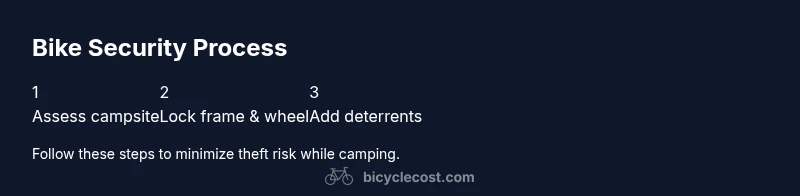
When camping, your goal is layered security: park near activity, use a heavy U-lock plus a secondary lock, lock the frame and wheel to a fixed object, remove valuables, and stay aware of surroundings. This approach minimizes theft risk and simplifies recovery if something goes wrong.
Why securing bikes when camping matters
If you’re wondering how to secure bikes when camping, you’re not alone. Campgrounds, trailheads, and roadside bivouacs attract curious eyes and opportunistic theft, especially for lightweight gear that’s easy to carry away. A secure setup protects your investment and gives you peace of mind so you can enjoy the ride and the outdoors. According to BicycleCost, using layered security—combining a hard locking device with an additional deterrent—consistently reduces the risk of theft compared with relying on a single lock. This is particularly true in crowded or unfamiliar environments where visibility is limited and distractions are common. The goal is to make your bike the least appealing target while still allowing you quick access when you’re ready to ride again.
Planning ahead saves time and stress
Before you roll into a campsite, inventory your locking gear and plan where to store the bike. Consider the campground layout: are there fixed structures you can lock to, or will you rely on temporary anchors? Map out a backup plan in case your primary lock becomes exposed to wind, rain, or crowds. BicycleCost’s guidance emphasizes preparedness: pack two different lock types (e.g., a U-lock and a heavy-duty cable), bring a portable ground anchor if your campsite has loose soil, and keep a spare key or combination accessible but secure. A little planning now prevents scramble later and helps you stay focused on the camping experience.
Locking fundamentals: frame, wheels, and anchor points
A basic, effective camping lock setup is built on three pillars: a sturdy frame lock to a fixed anchor, a second lock for the front wheel, and a plan for the rear wheel when possible. The most common approach is to secure the frame and rear wheel to a strong, immovable object with a U-lock, then attach the front wheel to the frame or lock it separately with a cable lock. If you don’t have a fixed object, use a ground anchor or a portable locking post if permitted by the site. The key is to prevent easy wheel removal and deter opportunistic grabs.
Environmental awareness: choose safe spots and minimize risk
Where you park matters just as much as what you lock. Look for well-lit areas with foot traffic, ideally visible from your tent or social area. Avoid isolated corners, vehicles with unlocked doors, or anything that allows a thief to work unseen. If a campground permits designated bike corrals or locking stations, use them. In forested or beach terrain, remember that salt air, humidity, and sand can corrode locking components, so choose corrosion-resistant hardware and dry storage when possible. These simple choices dramatically improve long-term security.
Practical steps that fit real campsites
On a typical camping night, you’ll perform a sequence of practical actions: position the bike so the lock faces away from the edges of your camp, thread the U-lock through the frame and rear wheel and attach to a sturdy anchor, lock the front wheel either to the frame or to the same anchor with a secondary lock, remove or secure any quick-release accessories, and verify that no part can be snapped, pried, or rolled away. This section expands on each component, providing context and examples you can adapt to your own gear and site.
Protecting accessories and reducing obvious targets
Accessories like quick-release pedals, bottle cages, GPS mounts, and lights can tempt thieves. Remove or secure removable components when you plan a longer absence from your bike. If you carry a battery or electronic device, keep it with you or store it in a locked bag at your campsite. Mark your bike with a non-removable identifier such as a small engraving or UV-visible marking, making it harder for thieves to re-register a stolen bike. These small, practical measures compound the security of your setup.
After-action checks: what to do when you return
Before you resume riding, inspect your bike for scratches or signs of tampering, confirm that locks remain secured, and re-check anchor points. If you detect any damage or suspicious activity, document it with photos and report it to campground staff or local authorities. Quick checks reduce the risk of a second incident and help you recover quickly if anything has been disturbed. Consistent, calm verification is a key habit for responsible camping cycling.
The role of insurance and records in theft scenarios
Consider bike insurance or rider coverage that protects gear while traveling. Keep a record of serial numbers, photos, and purchase receipts stored securely in a cloud or encrypted note. Although insurance isn’t a substitute for better physical security, it provides a safety net if a worst-case scenario occurs. BicycleCost’s guidance reinforces that preparedness includes both physical security and proper documentation.
Tools & Materials
- U-lock ( hardened steel, ≥ 12mm shackle )(Choose lock with mutually compatible keys or a solid keyway; avoid cheap models.)
- Heavy-duty steel chain or braided steel cable(Thick enough to resist cutting; use a secondary lock for wheels.)
- Secondary lock (cable or small chain for front wheel)(Locks wheel to frame or to anchor independently.)
- Ground anchor or portable locking post (optional)(Useful when no fixed object exists or at boondock sites.)
- Lock lubricant and cloth(Prevent rust and keep locks smooth between uses.)
- Bike lights or visibility aids(Deterrent and quick-target identification at night.)
- Removeables bag or small satchel(Store accessories securely or carry with you.)
Steps
Estimated time: 15-25 minutes
- 1
Assess campsite and plan
Survey the campground layout, identify sturdy anchors, and decide locking order. Mark potential escape routes for thieves and choose a spot visible to others if possible.
Tip: Plan two lock points in advance to minimize movement and exposure. - 2
Prepare your locking gear
Gather a U-lock plus a second lock and, if available, a ground anchor. Inspect locks for rust or damage and apply lubricant if needed.
Tip: Test both locks before returning to your camp. - 3
Lock the frame and rear wheel to a fixed object
Position the bike so the lock threads through the frame and rear wheel, then secure to a solid immovable anchor. Ensure the lock does not rest against sharp edges.
Tip: Aim the shackle away from ground contact to deter leverage attempts. - 4
Lock the front wheel with a secondary lock
Attach the front wheel to the frame or anchor using a cable lock or similar device, reducing wheel removal steps.
Tip: Avoid letting the front wheel protrude free where it might be bent or damaged. - 5
Secure accessories and remove valuables
Take removable parts with you or lock them in a secure bag. Remove GPS mounts, lights, and any battery backups when possible.
Tip: Keep essential parts in your day pack to reduce theft appeal. - 6
Add deterrents and identifiers
Consider alarmed locks, bright tape, or UV markers to increase visibility and deterrence. Mark your bike with an identifiable, semi-permanent mark.
Tip: Unique identifiers aid in recovery if stolen. - 7
Verify security before sleeping
Walk the perimeter to confirm all locks are secure and the bike cannot be easily disturbed from outside the camping area.
Tip: Do a quick second check after a few hours to catch any shifting conditions. - 8
Post-camp checks and records
After breaking camp, inspect for tampering and document any issues with photos. Update insurance records if needed.
Tip: Have a digital backup of bike details and serials.
People Also Ask
What is the best lock setup for camping?
A layered approach typically works best: a robust U-lock through the frame and rear wheel secured to a fixed object, plus a second lock for the front wheel. If available, add a ground anchor for extra stability.
For camping, use a strong U-lock plus a second lock for the front wheel. Add a ground anchor if possible.
Should I lock every part of the bike?
Lock the frame and at least one wheel to a fixed object. Remove or secure removable components like lights, GPS, and quickly detachable accessories.
Lock the frame and one wheel to a fixed object, and remove loose accessories.
What should I do if there’s no fixed anchor nearby?
Use a portable ground anchor if allowed, or lock to a durable object and protect with a secondary lock. In some cases, choosing a site with shared locking stations is best.
If no anchor is nearby, use a portable anchor or lock to a sturdy object with a second lock.
Is bike insurance worth it for camping trips?
Insurance provides financial protection if theft occurs, but it’s not a substitute for solid physical security. Keep records and serial numbers accessible.
Insurance helps financially if theft happens, but don’t skip strong locks. Keep serial numbers handy.
How can I boost security at busy campgrounds?
Choose well-trafficked, illuminated areas and use reflective or bright indicators on your bike. Consider locking near other campers to deter opportunists.
Lock in a visible, well-lit spot and stay near other campers when possible.
What maintenance should I perform after camping?
Inspect locks for corrosion or wear, clean dirt from locks and joints, and store gear dry. Review your security plan for the next trip.
Check locks for wear and clean them after camping; store gear dry.
Watch Video
Quick Summary
- Secure with two locks and two anchors where possible
- Remove valuables and accessories to reduce temptation
- Choose visible, well-lit areas and check locks regularly
- Prepare in advance and document bike details for recovery