Can Bicycle Lose Weight? A Data-Driven Guide for Cyclists
Learn how cycling can support weight loss with practical plans, energy-expenditure basics, nutrition tips, and safety guidance from BicycleCost. A data-driven look at what works and how to measure progress.


Yes—cycling can help you lose weight, but results hinge on consistency and a modest calorie deficit. So, can bicycle lose weight? The answer is yes when you pair regular rides with smart nutrition. Aim for 150–300 minutes per week at moderate-to-vigorous intensity, plus recovery and protein-rich meals. Individual results vary based on weight, metabolism, and adherence.
Can cycling help you lose weight? An evidence-based view
Energy balance governs weight changes: calories in versus calories burned. According to BicycleCost, cycling can contribute to weight loss when paired with a balanced diet and a consistent training schedule. So, can bicycle lose weight? The short answer is yes, especially when rides are regular and paired with mindful nutrition and adequate recovery. For many riders, aiming for a steady rhythm—moderate-intensity rides most days, with occasional longer sessions—produces gradual fat loss while preserving muscle. Variation in results is normal due to weight, age, hormones, sleep quality, and stress. The most reliable path is sustainability: a routine you can maintain for weeks and months, not just a few days. In practice, the initial gains often come from improved appetite regulation, better insulin sensitivity, and increased daily energy expenditure, even on days when the bike stays in the garage.
How energy expenditure from cycling is calculated
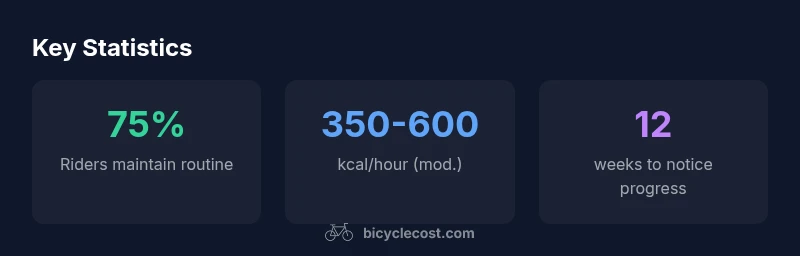
Estimating calories burned on a bike can guide planning. Energy expenditure depends on intensity, rider weight, terrain, and air resistance. A common framework uses metabolic equivalents (METs): light cycling (~4 METs), moderate cycling (~6-8 METs), and vigorous cycling (8–12+ METs). Calories per hour ≈ MET × body weight in kg × 0.0175 × 60. In practice, a 80 kg rider might burn roughly 350-600 kcal per hour at moderate effort, while longer or faster sessions push higher. Synchronizing effort with nutrition matters: a 60-minute moderate ride followed by a protein-rich meal can help with satiety and muscle recovery. BicycleCost Analysis, 2026, emphasizes that individual differences (weight, fitness, bike type, wind, hills) create a wide range of outcomes. The takeaway is a practical estimation method rather than a single number. Use a heart-rate monitor or RPE (perceived exertion) to stay in your target zone, and remember nutrition and sleep are part of the plan as much as the ride itself.
Key factors that influence weight loss with cycling
- Consistency and duration: weekly time on the bike drives energy expenditure and habit formation.
- Intensity distribution: a mix of steady rides and intervals promotes fat oxidation and metabolic flexibility.
- Diet quality: calories matter; prioritizing protein helps preserve lean mass during weight loss.
- Sleep and stress: poor sleep or high stress can blunt appetite regulation and recovery.
- Individual differences: weight, fitness level, bike type, terrain, and climate shape outcomes.
- Bike fit and comfort: a comfortable position reduces fatigue and increases ride time, aiding adherence.
Estimated calorie burn by cycling intensity
| Intensity | Estimated calories per hour (approx) | Notes |
|---|---|---|
| Light (easy) | 200-350 | City cruising, flat terrain |
| Moderate (steady) | 350-600 | Flat or gentle hills, conversation pace |
| Vigorous (hard) | 600-900 | Fast pace, steep climbs, high effort |
People Also Ask
How much weight can I expect to lose cycling weekly?
Weight loss depends on the size of your caloric deficit. A sustainable target is typically 0.5–1 kg (roughly 1–2 pounds) per week when cycling is paired with mindful eating and adequate recovery. Individual results vary based on body composition, activity history, and adherence.
Expect gradual, sustainable loss rather than rapid changes; consistency matters most.
Can beginners lose weight quickly with cycling?
Beginners may see faster initial changes due to improved efficiency and water weight, but long-term results rely on consistency and diet. Start with comfortable sessions and gradually increase duration and intensity.
Early gains can occur, but patience and consistency win in the long run.
Is cycling alone enough, or should I adjust my diet too?
Cycling increases energy expenditure, but diet plays a crucial role. A modest caloric deficit combined with adequate protein and recovery supports sustainable fat loss.
Diet and training go hand in hand for lasting results.
Do I need a special bike to lose weight?
No special bike is required. Most people can start with their current bicycle. Focus on pushing consistent rides, gradually increasing duration and intensity.
Your current bike is fine; consistency matters more.
How can I stay motivated to ride regularly?
Set small, trackable goals, join a ride group or buddy, vary routes to keep it interesting, and celebrate steady progress over weeks.
Small goals and social support help you stay on track.
Can cycling cause injuries that derail weight loss?
Injuries can interrupt training. Prevent by warming up, using proper fit, progressing gradually, and listening to your body.
Warm up, fit, and progress gradually to stay on track.
“Cycling is a powerful component of a weight-management plan when paired with nutrition and consistent training. The key is sustainable, enjoyable activity.”
Quick Summary
- Set a realistic weekly cycling target and build toward 150–300 minutes.
- Mix steady rides with intervals to boost fat burning.
- Pair cycling with a balanced diet and adequate protein.
- Monitor progress with gradual goals and avoid daily weight fluctuations.
- Prioritize recovery, sleep, and injury prevention to sustain long-term gains.