Bicycle with Motors for Sale: A Practical Buyer’s Guide (2026)
Explore how to choose and buy a bicycle with motors for sale in 2026. Learn motor types, battery specs, pricing ranges, legal considerations, and maintenance tips from BicycleCost.


Motorized bicycles for sale today span affordable pedal-assist models to higher-power e-bikes. When buying, prioritize motor type (hub vs mid-drive), battery capacity and range, wheel weight, and frame compatibility. Check local regulations on power limits and registration, then compare warranties and service networks. A clear use case, a test ride, and a realistic budget will guide you to a reliable choice across price points.
What is a bicycle with motors?
A bicycle with motors for sale is a bike that uses an integrated drive system to augment rider input. Most riders experience pedal assist that kicks in as you pedal, or a separate electric drive that can propel the bike with little or no pedaling. In urban contexts, these bicycles offer practical commuting options with reduced effort, especially on hills or longer rides. They also appeal to recreational riders seeking assistance on weekend outings. According to BicycleCost, interest in motorized bicycles has grown as cities seek greener mobility and riders demand dependable after-sales support. This section clarifies core concepts and how models are categorized by power and assist level, so you can quickly filter options that align with your needs.
Motor types: hub vs mid-drive
Two primary motor configurations dominate the market: hub motors, usually placed in the wheel hub, and mid-drive motors, mounted near the crank. Hub motors are often simpler to install and can feel lighter at slow speeds, making them common on commuter models. Mid-drive systems place the motor at the crank, leveraging the bicycle’s gears for efficiency and torque, which improves climbing and overall performance on varied terrain. Your choice will influence weight distribution, maintenance access, and how the bike performs on hills. When browsing bikes for sale, consider your typical routes, payload, and whether smooth power delivery or peak torque suits your riding style better.
Key specs to compare when shopping
Beyond motor type, focus on three core specs: battery capacity (Wh), system efficiency, and total bike weight. A larger battery provides longer range but adds weight and cost. Efficiency is affected by motor control software, wheel size, and pedal-assist level, which together govern real-world range. Brakes, tires, and suspension also matter; a heavier bike requires reliable braking and robust tires. Compare warranties and service networks across brands, and pay attention to after-sales support in your region. A thorough spec comparison helps prevent buyer’s remorse when motorized bikes for sale meet your expectations in daily use.
Estimating range and battery life
Range is influenced by terrain, rider weight, assist level, and battery condition. A typical 500 Wh battery can deliver a wide range when used judiciously, but real-world figures often vary by 20–30 percent. To gauge range, examine the manufacturer’s estimates and read independent reviews that test bikes in similar conditions. Consider carrying a spare charger for longer trips and plan charging stops strategically. Battery health declines with age, so evaluate warranty terms and service plans that cover battery replacement or capacity degradation over time.
Legal, safety and local regulations
Laws governing motorized bicycles differ by country, state, and city. Some regions permit pedal-assist bikes up to a certain wattage with specific speed limits, while others require registration, licensing, or rider age constraints. Always check local regulations before purchase and confirm that the bike you choose complies with safety and labeling standards. Safety comes first: wear a helmet, use appropriate lighting, and ensure your bike’s brakes, tires, and suspension are up to date to handle varied road conditions.
Buying channels and how to evaluate sellers
You can buy motorized bicycles for sale from local bike shops, authorized dealers, or reputable online retailers. Local shops offer test rides, in-person advice, and easier warranty handling, while online retailers may provide broader selection and competitive pricing. When evaluating sellers, verify return policies, warranty terms, and after-sales support. Read user reviews for real-world feedback on reliability and service quality. If you buy online, ensure the seller provides clear documentation on motor power, battery safety, and maintenance guidance.
Test rides, warranties and service networks
A test ride is essential to assess comfort, motor response, and handling under your typical routes. Confirm warranty coverage for the motor, battery, and electronics, along with transferability if you move or resell. Research local service networks or authorized repair centers and verify access to spare parts. A reliable service network reduces downtime and extends the lifespan of your motorized bicycle.
Maintenance and care for motorized bicycles
Maintenance for motorized bicycles includes regular chain lubrication, brake inspection, tire pressure checks, and periodic battery maintenance. Keep the motor housing clean, inspect electrical connections, and monitor charging practices to maximize battery life. Schedule routine professional tune-ups to verify motor calibration and software updates. Regular care improves safety, efficiency, and resale value.
Motor configurations comparison
| Aspect | Hub Motor | Mid-Drive Motor | Notes |
|---|---|---|---|
| Motor placement | Rear wheel hub | Crank area center | Affects weight distribution and handling |
| Weight impact | Lighter per motor | Generally heavier overall | Battery and frame influence total weight |
| Typical price | $800–$2,500 | $1,500–$4,500 | Prices vary with battery and build |
| Range per charge | 15–40 miles | 25–60 miles | Terrain and assist level matter |
People Also Ask
What should I look for when buying a bicycle with motors for sale?
Look for motor type (hub or mid-drive), battery capacity and range, overall weight, frame compatibility, brake performance, warranty, and service availability. Consider your riding goals and terrain to match a bike’s power delivery to your needs.
Check motor type, battery size, weight, brakes, and warranty. Think about your riding goals and terrain to pick the right setup.
Are motorized bicycles street-legal?
Legal requirements vary by region. Some places allow pedal-assist bikes with limited power and speed, while others require registration or licensing. Always verify local regulations before purchasing.
Laws differ by region—check your local rules before buying.
What is a realistic budget for a motorized bicycle?
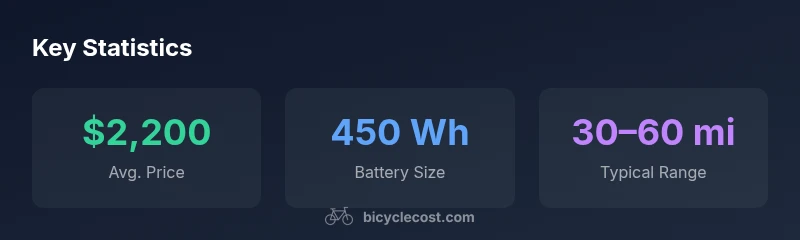
Budget varies widely by motor type, battery, and features. Entry-level options may start around a thousand dollars, mid-range models often fall between $1,500 and $3,000, and premium builds can exceed $3,000.
Expect about $1,000 to $3,000 for most solid options; negotiate based on features and warranty.
How important is battery capacity?
Battery capacity directly influences range. Higher capacity adds weight and cost, so balance range needs with the bike’s intended use and weight tolerance.
Battery size mainly drives how far you can ride; bigger isn’t always better if you don’t need the range.
Where is the best place to buy a bicycle with motors for sale?
Choose reputable bike shops or authorized online retailers with clear warranty terms and after-sales support. Avoid sellers lacking parts availability or service options in your area.
Buy from reputable shops or authorized dealers to ensure warranty and support.
“A reliable motor and battery system is the backbone of a satisfying motorized ride. Pair it with regular maintenance and a trusted service network to extend life.”
Quick Summary
- Define your use-case before buying
- Choose between hub and mid-drive based on terrain
- Prioritize battery capacity for longer range
- Test ride and verify service networks
- Budget realistically for maintenance