What to Do When You Fall Off Your Bike: A Step-by-Step Guide
Learn practical, bike-safe steps after a fall, including injury checks, safety considerations, and how to safely resume riding with confidence.


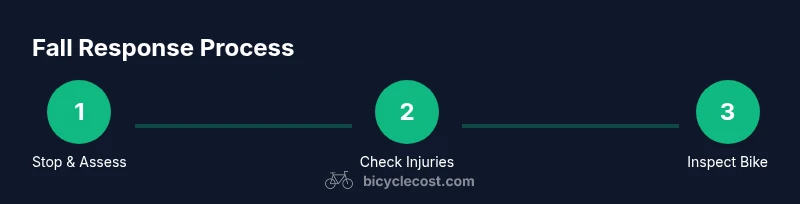
By following these steps, you’ll know exactly what to do when you fall off your bike: stop safely, check for injuries, and assess bike damage before continuing. This quick guide covers immediate safety checks, basic first aid, and when to seek medical care, helping you return to riding confidently and avoid complications.
Why falls happen and how to respond
According to BicycleCost, falls are a common part of riding, especially on uneven surfaces or crowded paths. Knowing what to do when you fall off your bike is a critical skill that helps minimize injuries and get you back on the road safely. This section explains why falls occur and how a quick, calm response can make a big difference in outcomes. You’ll learn about prioritizing safety, checking for injuries, and deciding whether to continue riding or seek help. Practice these routines in a safe area before you ride solo again. If you’re ever unsure, err on the side of caution and seek guidance from a qualified instructor or clinician.
Falls can happen to anyone—even experienced riders—on wet pavement, loose gravel, or during sudden maneuvers. Keeping your mind focused on control, position, and situational awareness reduces risk. Build muscle memory for a routine you follow after every fall: move to the roadside, check yourself, check your bike, and decide if you can continue. Repetition builds confidence and reduces hesitation in critical moments.
Immediate safety checks after a fall
When a fall occurs, your first priority is safety. Move to the shoulder or a safe area away from traffic. Turn on or keep a bright light in low visibility conditions and place a reflective vest or bright gear on if available. Step one is to stop, calm your breathing, and assess the surroundings before touching anything on the bike. If you’re with others, signal them to assist with safe positioning and traffic awareness. If possible, remove yourself from the roadway and into a safe area to begin the injury check without rushing back into danger. Remember, your priority is staying safe and staying calm so you can think clearly about next steps.
Quick injury assessment after a fall
Next, perform a quick, non-invasive check of major body regions. Look for visible bleeding, deformities, or unusual numbness or tingling. If you’ve hit your head, neck, or spine, or if you’re confused, dizzy, or lose consciousness, treat this as a potential serious injury and seek medical help immediately. If there’s no severe sign, check for pain levels, swelling, or bruising in the limbs, and test range of motion carefully. Avoid forcing movement if pain is significant. Take a moment to compare how you feel to your baseline and trust your body’s signals.
Basic first-aid you should carry
A compact first-aid kit is essential for minor cuts, abrasions, and blisters. Wipes and antiseptics help prevent infection, while sterile dressings and tape cover wounds until you can access professional care if needed. Include gloves to reduce contamination and a small bandage set for quick fixes. If you wear glasses or contacts, have a backup option ready in case your gear is damaged. A basic kit should also include a cold pack or a small brick of ice in a plastic bag to reduce swelling for minor injuries. Always sanitize and replace items after use.
Inspecting your bike for damage after a fall
Even a minor crash can compromise your bike’s safety. After ensuring you’re okay, visually inspect the frame for cracks or dents, check the handlebars for movement, and spin the wheels to detect brake rub or wobble. Squeeze brake levers to ensure even engagement and test the derailleur alignment by shifting through gears. If you notice any abnormal noise, stiffness, or wheel wobble, stop riding and seek professional inspection. Remember, a tiny issue can become a serious safety risk at speed or on descents.
When to seek medical care after a fall
Some injuries aren’t immediately obvious. Seek medical care if you experience severe or worsening pain, persistent headache, confusion, dizziness, or numbness, or if you suspect a concussion or spine injury. Even if symptoms seem mild right after the fall, headaches that intensify, vomiting, or slurred speech warrant medical evaluation. BicycleCost Analysis, 2026 notes that persisting symptoms after a fall can indicate underlying injuries that require professional assessment. Delaying care can lead to complications, so err on the side of caution.
Returning to riding safely after a fall
Returning to cycling should be gradual and purposeful. Start with a short, easy ride on a familiar route to re-establish balance and confidence. If you’re unsure, practice on a lower-traffic road or smooth surface. Re-tune your bike and gear before resuming, ensuring your helmet fits correctly and all safety gear is in good condition. Consider booking a quick evaluation with a local bike shop or coach to fine-tune technique and address risk factors that contributed to the fall.
Prevention: reducing future falls and building confidence
Prevention combines technique, equipment, and route planning. Check tire pressure, brakes, and gears regularly, and adjust your riding position to maintain balance over varied terrain. Invest in a properly fitted helmet, gloves, and protective gear as needed, and wear bright, reflective clothing to improve visibility. Plan routes that avoid known hazards like loose gravel or steep descents when possible, and ride with a buddy on challenging trips. Regular drills and practice on safe terrain improve balance and reaction time, reducing fall risk over time.
Tools & Materials
- Fully stocked first aid kit(Bandages, antiseptic wipes, sterile dressings, tape, gloves)
- Bike repair multitool(Include hex wrenches, tire levers, chain tool)
- Helmet inspection and safety gear(Ensure helmet fits properly after impact; include reflective vest)
- Cell phone with charged battery(Emergency contacts ready; keep in a reachable pocket)
- Portable cold pack or ice pack(For swelling; wrap in cloth to avoid skin injury)
- Medical information card(Allergies, medications, emergency contacts)
Steps
Estimated time: 30-60 minutes
- 1
Stop safely and assess surroundings
The first action is to bring the bike to a safe stop away from traffic. Take a deep breath, check for traffic, and move to a safe area if possible. This prevents secondary incidents and gives you space to think clearly about next steps.
Tip: If you’re in a busy area, signal and move to the shoulder or sidewalk as soon as it’s safe. - 2
Check for injuries
Gently assess yourself for pain, bleeding, or swelling. If you suspect a head, neck, or spine injury, avoid moving and seek medical help immediately. Compare sensations with your pre-fall baseline and decide whether to continue or call for assistance.
Tip: Do not move if there’s any sign of suspected spine injury; call for help right away. - 3
Inspect the bike for damage
Carefully inspect the frame, handlebars, wheels, brakes, and drivetrain for cracks, bent parts, or misalignment. If you notice wobble, brake rub, or frame damage, pull off the road and avoid riding until a professional inspection.
Tip: Spin the wheels and squeeze brakes to test alignment and stopping power before continuing. - 4
Administer basic first aid
Clean wounds with antiseptic wipes, apply dressings, and cover with tape if needed. If you have a small cut or abrasion, protect it to prevent infection. Replace any bleeding control materials if soaked.
Tip: Replace or replenish supplies from your kit after use; keep it ready for next ride. - 5
Decide whether to ride again
If injuries are minor and bike is clear to ride, take a cautious, short test ride. If pain persists or you’re unsure, consider ending the ride and seeking medical advice. Trust your body’s signals and don’t push beyond what feels safe.
Tip: When in doubt, ride to a safe place and seek professional input before continuing. - 6
Log the incident and plan prevention
Note the time, location, weather, and any contributing factors. Review your gear and route choices to prevent repeat incidents, and consider a brief training or tweak session to address any weaknesses.
Tip: Keep a post-ride log to track patterns and improvements over time.
People Also Ask
What should I do immediately after I fall off my bike?
Move to a safe area away from traffic, check for injuries, and decide whether to continue riding or seek help. If you suspect a head or spinal injury, call for medical assistance right away.
Move to a safe spot, assess injuries, and decide if you can continue riding or need medical help.
How do I know if I need medical care after a fall?
Seek care if there is severe pain, numbness, confusion, dizziness, vomiting, or any signs of head injury. Even minor symptoms can indicate underlying issues.
Seek medical care if pain is severe or symptoms like confusion or dizziness appear after the fall.
Can I ride again the same day after a fall?
Only if you feel well, the bike is undamaged, and you are confident in your ability to ride safely. Otherwise, rest and reassess later or seek a professional evaluation.
Only ride again if you’re sure you can do so safely and the bike shows no damage.
What bike components should I inspect after a fall?
Check the frame for cracks, the handlebars for alignment, wheels for true rotation, brakes for effective stopping power, and drivetrain for smooth shifting.
Inspect frame, handlebars, wheels, brakes, and gears for issues after a fall.
What safety gear reduces injury risk after a fall?
A certified helmet is essential; consider gloves and knee/elbow pads depending on riding style and risk level. Wear bright, visible clothing to improve visibility.
Wear a certified helmet and protective gear as needed to reduce injury risk.
Should I log the fall and what should it include?
Record the time, location, weather, and any contributing factors. Use the log to identify risk patterns and inform future safety tweaks.
Keep a simple ride journal noting when and where the fall happened and what factors contributed.
Watch Video
Quick Summary
- Stop safely after a fall and assess surroundings
- Check yourself and bike for injuries or damage
- Seek medical care for red flags or persistent symptoms
- Return to riding gradually with proper safety checks
- Prevent future falls with proper fit and routine maintenance