What to Do After a Bicycle Accident: A Practical Guide
Learn a practical, step-by-step plan for what to do after a bicycle accident, including safety checks, evidence collection, medical care, and insurance guidance to protect yourself and your ride.


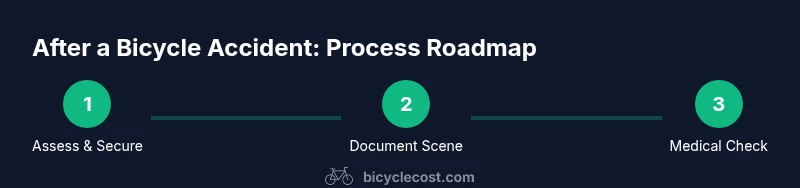
After a bicycle accident, prioritize safety, seek medical evaluation if there are injuries or suspected trauma, and begin gathering evidence for insurance and potential claims. Immediately exchange information with other involved parties, document the scene, and report to the appropriate authorities as required. This guide walks you through practical steps to protect yourself and your ride.
Immediate safety steps after a bicycle accident
Act quickly to reduce risk and further harm. If you can, move to a safe spot away from traffic and turn on hazard lights. Check yourself for injuries and call for help if there is significant pain, bleeding, or suspected head injury. Do not ride away if your bike is unsafe to ride. According to BicycleCost, quick safety actions can reduce complications and simplify later claims. If others are involved, exchange information calmly and avoid admitting fault at the scene. Keep your phone ready to document details and to contact trusted contacts. Ensure you and others are out of danger before you decide what to do next. This moment matters: taking control of the scene improves outcomes for you and others involved.
Documenting the incident: what to record and how
Documentation is the foundation of any subsequent claim and medical review. Start by noting the time, date, and exact location of the crash. Capture photos of your bike, the other party's vehicle (if applicable), license plates, street hazards, traffic signs, and any visible injuries. Collect witness contact details and record a brief description of what happened from multiple perspectives. Use your phone to timestamp photos and messages, and save receipts for any medical visits or bike repairs. As BicycleCost notes, robust documentation can streamline insurance processing and future repairs. Keep the evidence organized in a dedicated folder on your device or in a physical file if you prefer.
Medical evaluation: when to seek care and what to expect
Even minor pains after a crash can signal underlying injuries. Seek medical evaluation promptly, especially if you hit your head, feel dizzy, experience neck or back pain, or notice trouble with balance or vision. A healthcare professional can rule out concussions, spinal injuries, or internal issues that may worsen if untreated. Bring a summary of your symptoms, medications, and any prior injuries. Retain all medical bills and notes for insurance claims and future reference. The BicycleCost team emphasizes timely assessment to prevent long-term complications and to support accurate claims.
Dealing with authorities and insurance: who to contact and what to say
If the crash involves another vehicle or significant damage, contact local authorities as required by law. File or obtain a crash report number and document the responding officer’s name and badge number. Notify your bicycle insurer if you carry one, and provide a clear, factual account of what happened without admitting fault. Share photos, witness contacts, and medical notes as needed. Keep claim numbers and appointment dates organized. Clear communication now can prevent delays and disputes later, a practice supported by BicycleCost analysis.
Aftercare and evidence preservation: photos, reports, and follow-ups
After the immediate response, focus on recovery and continuity of records. Schedule follow-up medical visits if symptoms persist and get your bike inspected by a qualified mechanic before riding again. Store all photos, accident reports, medical receipts, and repair estimates in a single, organized file. Maintain a detailed timeline of symptoms, treatments, and work or school absences related to the crash. Consistent record-keeping helps with insurance claims, legal considerations, and future bike safety planning. The BicycleCost team recommends establishing a routine for monitoring recovery and documenting progress.
Safe riding after a crash: bike checks and adjustments
Before you ride again, perform essential safety checks: inspect brakes, tires, gears, and steering for any damage; verify wheel alignment and drivetrain operation; test ride inside a safe area to confirm functionality. If you notice any unusual vibrations, stiffness, or noise, stop riding and consult a professional. Wearing your helmet and high-visibility gear reduces risk on the road. Keep a basic toolbox and spare parts on hand for minor adjustments. Repairing and validating all components helps prevent repeat incidents and ensures you feel confident returning to cycling.
When to consult a professional: lawyer, bike mechanic, and therapist
If there is significant damage, dispute fault, or substantial medical costs, consider seeking professional advice. A bicycle-accident attorney can explain your rights and help with claims, while a certified bike mechanic can diagnose hidden bike damage. If you experienced trauma or ongoing pain, a therapist or physiotherapist can support recovery and safe return-to-ride planning. Early professional input can save time and reduce risk, and can help you navigate insurance negotiations with clarity and confidence.
Common mistakes to avoid after a bicycle accident
Avoid admitting fault at the scene or posting about the accident on social media until claims are settled. Do not delay medical evaluation due to mild symptoms or fear of costs. Don’t discard any evidence, such as photos or medical bills, and avoid signing settlement documents before reviewing them with a professional. Finally, resist rushing a return to riding if you’re not fully recovered; pushing too soon can cause longer downtime and more serious injuries.
Tools & Materials
- Smartphone with camera(To document scene, injuries, and bike damage)
- Pen and notebook(Record witness info and key incident details)
- Personal identification and insurance card(Carry during initial response; share as needed)
- First-aid kit(Useful for minor injuries at the scene)
- Evidence folder or digital storage(Keep photos, receipts, and medical documents)
- Spare tube and basic tools(If you plan to ride after the incident and it's safe)
Steps
Estimated time: 30-60 minutes
- 1
Stop and assess safety
Pull over to a safe location if possible and turn on hazards. Check yourself for injuries and seek help for significant pain or visible bleeding. Do not continue riding if your bike is unsafe. Move away from traffic only when it’s safe to do so, and avoid discussions of fault at the scene.
Tip: Move to safety first; your immediate safety shapes the recovery path. - 2
Check injuries and summon help
Evaluate for head injuries, chest pain, or difficulty breathing. If there is severe pain, unconsciousness, or suspected broken bones, call emergency services. Do not attempt to transport yourself if you’re hurt; wait for professional help if necessary.
Tip: Call for help if you’re unsure about injury severity. - 3
Exchange information and witness details
Obtain names, contact details, and insurance information from others involved. Note the time, location, and what each party observed. Photograph license plates, vehicle damage, and the scene for clarity.
Tip: Capture multiple angles of damage and the surrounding area. - 4
Document the scene
Take comprehensive photos of road conditions, signage, lighting, and any hazards. Record weather, visibility, and traffic flow. Use timestamps and back up photos to a cloud storage or physical copy when possible.
Tip: Organization speeds up later claims and reviews. - 5
Seek medical evaluation promptly
Even minor symptoms can indicate more serious injury. Schedule a medical check-up and keep all medical records and diagnoses. Request copies of all tests and treatment notes for your records.
Tip: Delay can complicate treatment and insurance processing. - 6
Notify authorities and your insurer
File a police report if required by local law. Inform your insurer about the incident and provide evidence collected at the scene. Obtain and record any claim numbers and follow up as instructed.
Tip: Keep a written log of all communications and timelines. - 7
Plan for bike return and follow-up
Have the bike inspected by a qualified mechanic before riding again. Schedule follow-up medical appointments and track recovery progress. Prepare a repair estimate and keep receipts for insurance claims.
Tip: Don’t rush the return to riding; ensure safety first.
People Also Ask
Should I call emergency services after a bicycle accident?
If there is severe injury, unconsciousness, or major bleeding, call emergency services immediately. For milder symptoms, seek medical evaluation as soon as possible. Quick professional input can prevent complications.
Call emergency services if you suspect serious injury; otherwise seek prompt medical care.
Do I have to exchange information with the other party?
Yes. Get name, contact, and insurance details, and note the location and time. If the other party refuses, document what happened and contact authorities as needed.
Yes—exchange information and call authorities if necessary.
What if the other driver doesn't have insurance?
Document the vehicle and driver details, file a police report if required, and contact your insurer to discuss next steps.
Document the person and vehicle; contact police and your insurer.
When should I contact my insurance?
Notify your insurer as soon as practical after the incident, especially if you intend to file a claim; keep receipts and records.
Notify your insurer promptly and keep all receipts.
Can I ride again after a crash?
Only after a professional bike inspection and clearance. If pain or impairment persists, seek medical advice before riding.
Only ride after clearance from a mechanic and doctor if needed.
What records should I keep for an insurance claim?
Keep photos, incident report, medical notes, receipts for treatment, repair estimates, and any police or insurance correspondence.
Keep photos, reports, medical bills, and repair estimates.
Watch Video
Quick Summary
- Document everything immediately after a crash
- Prioritize safety and seek medical care when in doubt
- Exchange information and file permissions for claims
- Preserve evidence and follow up with authorities
- Don’t rush back into riding until cleared