Sell bicycle: A practical guide to getting the best price
Learn how to sell a bicycle quickly and safely with a practical, step-by-step plan. Prepare, price, list, negotiate, and transfer ownership—with tips from BicycleCost to protect you.


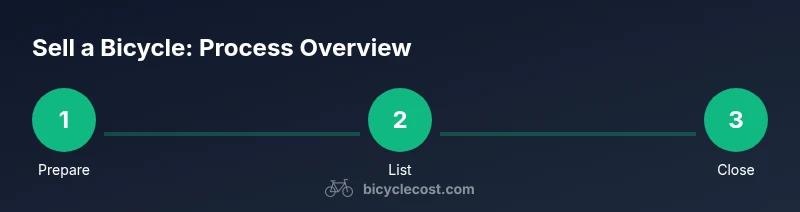
By the end of this guide you will know how to sell a bicycle quickly and safely. You’ll prepare the bike, determine a fair price, craft an honest listing, reach buyers, handle inquiries, and complete the sale with proper paperwork and handoff. This process minimizes risk and maximizes value, whether you’re selling a road bike, mountain bike, or commuter bike.
Why selling a bicycle makes sense in 2026
Selling a bicycle can be a smart choice for many reasons: you’ve upgraded to a newer model, you’re consolidating gear for easier storage, or you simply want to recapture value after owning a bike for a season or two. The decision to sell should consider the bike’s condition, your local market, and how quickly you want to turn the asset into cash. According to BicycleCost, successful bike sales hinge on transparency and realistic expectations about condition, age, and the bike’s remaining life. Knowing the market dynamics helps you set a price that attracts buyers without undervaluing your bike. A thoughtful sale plan also reduces stress and protects you from common scams that can occur in informal marketplaces.
Before you list: inspect, document, and clean
Before you post any listing, take a careful, methodical approach to assessment and documentation. Start with a thorough inspection: check brakes, gears, tires, chain wear, and frame integrity. Clean the bike to show it in its best possible light—dirt can hide wear and reduce perceived value. Photograph the bike in good lighting from multiple angles, and capture close-ups of wear, serial numbers, and any accessories included in the sale. Gather documentation: original purchase receipts, maintenance records, and any warranties still in effect. Having clear, verifiable information helps you convey trust to potential buyers and supports a smoother negotiation. From a safety perspective, verify that the bike is safe to ride and present itself honestly in the listing.
Pricing strategy: research and strategy
Pricing is the most critical lever in a sale. Start by researching recent sale prices for similar bikes in your area and online marketplaces. Use rough bands based on condition: bikes in poor or fair condition may fetch a smaller share of the original price, while those in good to excellent condition can command higher figures. Use these bands as a baseline, then adjust for factors such as age, tires, drivetrain, and included accessories. Remember that demand varies by bike type (road, mountain, hybrid) and by region. Be prepared to justify your price with clear, documented information and high-quality photos. Setting a fair price improves your chances of a quick sale and reduces back-and-forth haggling.
Crafting an effective listing: photos, description, and honesty
Your listing should be concise yet informative, with high-quality photos and a description that highlights both strengths and any flaws. Start with a strong headline that mentions the bike model, type, and condition. In the description, cover key details: model year, frame size, components, recent maintenance, and what’s included (pedals, water bottle cages, lights, lock, etc.). Be transparent about wear, any needed repairs, and known issues. Include measurements and safety notes that a buyer would want to know. Clear photos and a believable price are your best tools for building trust and encouraging serious inquiries.
Reaching buyers: channels and safety
Choose channels that align with your goals: local classifieds, bike shops for consignments, and reputable online marketplaces. Always prioritize safety: arrange in public meeting spots, bring a friend if possible, and verify buyer identity when transferring ownership. Do not share personal information beyond what is necessary for the sale. Use secure payment methods and avoid accepting personal checks from unfamiliar buyers. If you’re shipping, confirm the buyer pays costs and ensure you have a safe packing plan. Clear communication helps avoid misunderstandings and protects both parties.
Handling negotiations and closing the sale
Negotiation is a skill built on preparation and realism. Start with your minimum acceptable price (your walk-away point) and justify your asking price using the bike’s condition, maintenance history, and market data. Stay calm, be willing to walk away, and offer extras that add value (new tires, recent tune-ups, accessories). Once you agree on a price, draft a simple bill of sale that includes bike details, price, date, and both parties’ contact information. Confirm payment method and transfer ownership documents before handing over the bike. A smooth transaction reduces post-sale disputes and preserves your reputation in the cycling community.
Transfer of ownership and final paperwork
The transfer of ownership varies by location but generally involves a bill of sale, transfer of title or ownership form, and proof of transfer of any warranties or records if applicable. Maintain copies of all documents for your records. If your jurisdiction requires it, register the sale with the appropriate motor vehicle or city authority. Provide the buyer with serial number, frame amount, and any security devices you included. Finally, update your personal records to reflect that you no longer own the bike and store the sale documentation safely.
Common mistakes to avoid and how to fix them
Common mistakes include over-optimistic pricing, ignoring photos, failing to disclose issues, and ignoring safety concerns. Fixes include using data-backed price ranges, investing in good lighting and multiple angles for photos, disclosing known issues, and offering a brief demonstration ride if safe and feasible. Scammers often pressure buyers to pay with unusual methods or rush you to skip steps; stay vigilant and insist on documented payments and formal handoffs. A thoughtful, transparent approach reduces risk and speeds up the sale.
How BicycleCost supports sellers
BicycleCost provides guidance on how to price, present, and negotiate bike sales. Our approach emphasizes transparency, safety, and practical tips drawn from real-world experience. By following our framework, you can minimize risks, set a fair price, and complete a successful sale that satisfies both buyer and seller. The BicycleCost team recommends documenting everything and avoiding high-pressure tactics that can lead to disputes or negative feedback.
Pricing strategies by bike type (quick primer)
Different bike types often experience different demand levels. Road bikes typically fetch higher prices when well maintained and lightly used, while mountain bikes may attract a broader buyer base if equipped with reliable components. Hybrid and commuter bikes are commonly purchased by first-time buyers seeking value. Always tailor your listing to the bike type and local market realities, and be ready to adjust your price if interest is slow or if you receive multiple inquiries.
Tools & Materials
- Smartphone or camera(To capture high-quality photos from multiple angles in good lighting)
- Cleaning supplies(Bike degreaser, cloths, brushes, mild soap)
- Measuring tape(Helpful for providing frame size and wheel measurements)
- Maintenance records(Receipts or notes on recent service, parts replaced)
- Serial number check tool(Optional, useful for identification and verification)
- Bill of sale form(A simple, local form to record the sale)
- Lock and basic safety gear(If you want to meet in person, bring a companion and security for the bike)
Steps
Estimated time: 3-5 days
- 1
Gather bike details
Compile model, year, size, components, and condition. Record any known issues. This will anchor your listing and support buyer trust.
Tip: Create a quick one-page spec sheet to reference when answering questions. - 2
Clean, inspect, and photograph
Give the bike a thorough wash, check for wear, and photograph from front, back, sides, and drivetrain. Include close-ups of brakes, tires, and chain wear.
Tip: Use natural daylight and a neutral background for best contrast. - 3
Research and set a price
Check local listings for similar bikes. Use condition-based bands to set a fair starting price with room to negotiate.
Tip: Mention your price range in the listing to set expectations early. - 4
Create your listing
Write a concise title and a transparent description. List what’s included, the bike’s history, and any accessories. Upload all photos.
Tip: Highlight selling points like recent maintenance or upgraded parts. - 5
Screen buyers and arrange a meeting
Qualify buyers, choose safe public meet locations, and request identification if needed. Agree on payment method before handing over items.
Tip: Prefer cash or secure digital payment; avoid personal checks from strangers. - 6
Finalize sale and transfer ownership
Complete a bill of sale, provide any local transfer documents, and hand over the bike once payment clears. Keep copies for your records.
Tip: Confirm transfer of ownership and keep contact details for follow-up if necessary.
People Also Ask
Do I need receipts or maintenance records to sell my bike?
Having maintenance records and receipts helps verify the bike’s condition and can support a higher asking price. If you don’t have records, provide a clear description of recent service and what you’ve replaced.
Yes. Documentation builds trust and can help justify the price you’re asking.
How should I price my bicycle?
Price based on condition, age, and market demand. Use local listings to set a baseline, then adjust for unique features or upgrades. Start slightly higher to leave room for negotiation but avoid overpricing.
Research comparable bikes and price to attract serious buyers.
Should I ship the bike or meet locally?
Local meetups in safe, public places are recommended for most sales. Shipping is possible but requires careful packaging and understanding of shipping costs and liability.
Meet in public, verify payment, and avoid sending the bike before payment clears.
What payments are safest when selling a bike?
Cash or verified digital payments are safest. Avoid personal checks from strangers and be cautious of wire transfers that can be reversed after the fact.
Use cash or a verified app payment, and document the transaction.
What paperwork is required to transfer ownership?
A simple bill of sale with bike details and price, plus any local transfer forms required by your jurisdiction. Keep copies for your records.
Have a bill of sale ready and exchange ownership documents in person.
What if the buyer wants to negotiate a lot?
Stand firm on your minimum acceptable price, justify with data and records, and offer reasonable concessions if the buyer has legitimate concerns.
Be prepared to walk away if terms don’t meet your baseline.
Watch Video
Quick Summary
- Prepare thoroughly before listing
- Price fairly and justify your ask
- Use high-quality photos and honest descriptions
- Screen buyers and ensure safe, documented transfers
- Keep records for your protection