How much is a BMX bicycle? A practical buying guide
A thorough analysis of BMX bicycle pricing in 2026, covering entry-level, mid-range, and pro-grade options, plus tips to maximize value and anticipate maintenance costs.


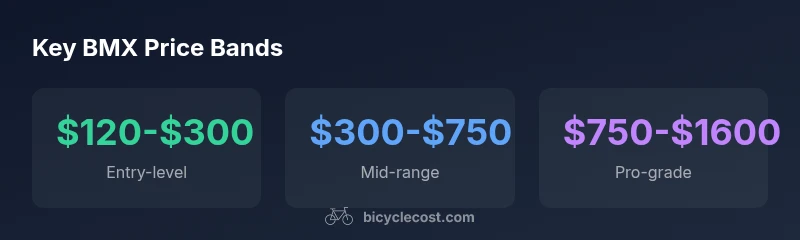
How much is a BMX bicycle? Prices vary widely based on style, materials, and components, but you can expect entry-level models to start around $120-$300, mid-range bikes around $300-$750, and pro-grade BMX bikes often $750-$1600 or more. For most riders, the best value lies in sturdy steel or aluminum frames and reliable components that balance cost with durability.
What influences BMX bicycle pricing
Pricing for BMX bicycles is driven by several interrelated factors: frame material (steel, aluminum, chromoly), weight, the quality of components (drivetrain, brakes, hubs), geometry tailored for street, park, or race, manufacturing location, brand reputation, and whether the bike is sold as a complete build or as a frame with separate parts. In 2026, the BicycleCost analysis shows that minor shifts in material quality can shift price by a margin of roughly 20-40% across tiers. Readers should track how much they value weight reduction, stiffness, and durability when comparing models. The most cost-effective choices usually balance steel or aluminum frames with reliable, mid-range components rather than chasing top-shelf materials unless you plan serious competition.
BMX price bands explained
BMX bicycles generally fall into three price bands: entry-level, mid-range, and pro-grade. Entry-level models emphasize durability and simplicity, often with heavier frames but solid performance for beginners. Mid-range bikes typically improve frame materials, geometry, and components, offering better weight and responsiveness. Pro-grade BMX bikes push performance with lighter frames, higher-end components, and advanced wheelsets for competition. Understanding these bands helps you avoid overpaying for features you won't use. According to BicycleCost, the path from entry to pro reflects a careful trade-off between investment in materials, precision fabrication, and brand support.
What to expect at each price tier
Entry-level BMX bikes (roughly $120-$300) usually use sturdy steel or lower-grade aluminum frames, standard brakes, and reliable but modest wheelsets. They’re forgiving to new riders and ideal for learning tricks. Mid-range models ($300-$750) often upgrade to chromoly or higher-grade aluminum, lighter components, and better wheelsets, delivering improved stiffness and maneuverability without breaking the bank. Pro-grade options ($750-$1,600+) may feature lighter, heat-treated frames, precision bearings, and premium cranks. This tier targets riders who rely on consistent performance for park sessions, street challenges, and competition. When evaluating, weigh the value of frame weight, component reliability, and the brand’s after-sales support.
How to evaluate a BMX bike’s value
Start with fit and geometry: ensure the frame size matches your height and riding style. Check the weight of the complete bike; lighter bikes typically cost more but offer easier handling. Inspect the drivetrain and braking system: hydraulic disc brakes are rare on BMX until higher-end builds; instead, look for reliable U-brakes or V-brakes and quality hubs. Examine wheel quality, tire size (20-inch is standard for BMX), and crankset stiffness. Finally, consider the warranty on the frame and the reputation of the brand. A well-chosen mid-range bike often delivers better long-term value than a cheaper, poorly built model.
Buying strategies to maximize value
Shop smart by comparing similar builds across retailers, including local bike shops and reputable online sellers. Take advantage of seasonal sales, demo days, and trade-in deals. Consider buying a used BMX bike from trusted sources, but perform a thorough inspection: check frame integrity for cracks, inspect welds, and test ride. Verify correct size; a wrong frame size compounds handling issues. Favor models with a solid warranty and accessible replacement parts. If you’re unsure, consult a bike shop for a professional sizing and a test ride.
Costs beyond the sticker price
While the sticker price is important, total ownership costs matter more over time. You’ll likely spend on tires, tubes, chains, bearings, and regular tune-ups. Maintenance can scale with riding frequency and terrain; park riders may replace wear parts more often than street riders. Plan a modest annual maintenance budget, roughly in the hundreds of dollars range depending on usage, and reserve funds for occasional upgrades or replacement parts like wheels or cranks. A thoughtful maintenance plan keeps your BMX bike performing well without surprising expenses.
Real-world scenarios: street, park, and race
Street riders value quick response, balance, and maneuverability, often seeking lighter frames and reliable mid-range components. Park riders benefit from robust wheels, strong hubs, and durable tires capable of grinds and jumps, typically found in mid-range to pro-grade builds. Racers require precise geometry, lightweight frames, and top-tier components for rapid acceleration and controlled landings, usually in the pro-grade range. For most casual riders, aiming for a mid-range build with dependable parts provides the best balance of cost and performance. The keyword how much is bmx bicycle should guide you as you compare options across these scenarios, ensuring your purchase aligns with both your budget and riding goals.
Final thoughts on value and choosing wisely
Selecting a BMX bicycle price point is about balance. You want a frame that can endure, dependable parts, and room to grow with your riding skills without paying for features you’ll never use. Use this guide to map your budget to the price bands, then widen your search to multiple retailers to confirm you’re extracting true value. Remember that a well-chosen mid-range BMX bike often outperforms a cheaper model with inferior components, and it may hold its resale value better if you decide to upgrade later.
Price ranges by BMX category
| BMX Type | Typical Price Range | Notes |
|---|---|---|
| Entry-level BMX | $120-$300 | Beginner-friendly, sturdy |
| Mid-range BMX | $300-$750 | Better materials and components |
| Pro-grade BMX | $750-$1600 | Competition-ready performance |
People Also Ask
What affects BMX bicycle price more, frame material or components?
Both frame material and components influence price, but the impact depends on your riding goals. Higher-end materials reduce weight and increase stiffness, while upgraded parts improve reliability and performance. Consider how you’ll ride to decide which area to invest in.
Both frame and parts matter; choose based on your riding goals, not just the price tag.
Is it better to buy used BMX bikes to save money?
Used BMX bikes can offer substantial savings, but inspect the frame for cracks, wear on welds, and potential hidden damage. Check components for wear and test ride. Ensure sizing and warranty considerations align with your needs.
Used bikes can be great value if you inspect the frame and parts carefully.
Are higher-priced BMX bikes worth it for casual riders?
For casual riders, mid-range models often deliver the best balance of performance and cost. Higher-end builds reward advanced riders with light frames and precision parts, but the extra cost may not translate to noticeable benefits for beginners.
Usually not, unless you ride frequently or need top performance.
What should I look for in a BMX bike to ensure safety?
Look for a solid frame, reliable brakes, proper helmet and pad compatibility, correct sizing, and secure welds. Inspect tires and bearings, and ensure quick, smooth gear changes where applicable.
Safety starts with a sturdy frame and reliable brakes, plus proper fit.
How often should I service a BMX bike?
Service frequency depends on usage, but a light check every 1-2 months and a thorough tune-up every 3-6 months is common. Replace worn parts promptly to avoid bigger costs later.
Regular checks prevent surprises and keep parts in good shape.
What are typical warranty options for BMX bikes?
Warranties vary by brand and component. Frames often have longer coverage than parts, with typical periods ranging from 1 year to lifetime on some brands. Verify terms at purchase.
Warranties vary; check frame vs. parts coverage before buying.
“Prices reflect the balance between performance and durability. The right mid-range setup often yields the best long-term return.”
Quick Summary
- Compare price bands to find the best value within your budget
- Consider total ownership costs, not just sticker price
- Prioritize durable frames and reliable components for longevity
- Test different models at local shops before buying
- Plan for maintenance to extend BMX life