What Size Bicycle for a 5-Year-Old: A Practical Guide
Learn how to size a bicycle for a 5-year-old using inseam, height, and growth considerations. Step-by-step fitting tips, safety guidance, and gear recommendations from BicycleCost.


To answer what size bicycle for 5 year old, size the bike by inseam and reach, not age. Look for a bike with a low seat and the child able to touch the ground with both feet when seated. The pedals should be reachable without knee or hip strain, and the handlebars comfortable.
Why correct bike size matters
Choosing the right size is essential for safety, balance, and confidence. When you ask, what size bicycle for 5 year old, sizing should be inseam-driven and growth-aware, not based on age alone. According to BicycleCost, correct sizing reduces wobble, helps with pedaling efficiency, and lowers the risk of falls. A bike that is too large can overwhelm a child, while a bike that’s too small can discourage riding. By focusing on fit, you create a smoother transition from balance to pedaling, and you set up good riding habits early. This approach also supports long-term enjoyment, as a bike that fits well is easier to control and less tiring for little legs. Throughout this guide, you’ll see practical steps you can take with a measuring tape, a shop visit, and a few safety checks to keep your child engaged and safe.
How to measure your child for the right size
Sizing starts with accurate measurements. The inseam is the distance from the floor to the crotch while the child is barefoot and standing straight. Have the child stand with shoes off and feet about hip-width apart. Use a soft, flexible measuring tape or a ruler to note the inseam length. For height, record the approximate standing height and consider how much the child will grow in the next year. In both cases, write down the measurements and compare them to the bike’s seat height range, which should be adjustable. Remember, what matters most is that the rider can reach the ground with feet flat while seated and can cover the distance to the pedals without overextending a leg.
Common wheel sizes and size clues for a 5-year-old
Kids’ bikes typically come in small-wheel and mid-size-wheel variants. For a young rider, focus on frames that offer low standover height and easy-to-reach pedals. Smaller wheels are often more maneuverable and help with balance, while larger wheels can improve stability once the child grows. The key clues are seat height and standover clearance: when you straddle the bike, you should have a comfortable clearance between the inseam and the top tube. The child should be able to place both feet flat on the ground when stopped and still have a slight bend in the knee when the pedal is at the lowest point.
Sizing steps: from inseam to ride-ready height
Begin with inseam-based frame recommendations and then adjust seat height so that the child can touch the ground with both feet when seated. Check the knee angle at pedal top-dead-center to avoid hyperextension. Ensure handlebar reach is comfortable so the child can steer without feeling stretched. Use the bike’s quick-release or clamp to adjust the seat and test different riding positions. Keep the growth margin in mind and plan for small incremental changes rather than oversizing the bike.
Adjustability and growing with the child
A growing child needs adjustable components. Look for a bike with an adjustable seat post, adjustable handlebars, and a seat that can slide forward or backward to fine-tune balance. Some bikes offer a range of seat heights and frame sizes in one model, which can be ideal for rapid growth. Investing in features like a reinforced frame and quality brakes reduces the need for frequent upgrades and supports safer learning.
Test riding: what to check in shop or at home
When testing, have the child pedal for a short distance while you observe balance, braking, and steering. Confirm that stopping power is appropriate for their weight and that the braking system is easy to modulate. Check that the pedals are within easy reach and that the child can stand over the frame while keeping control. If possible, practice on a flat, open area free of distractions. Small tests in a quiet, safe environment are better than pushing through a crowded shop.
Safety checks and accessories
Ensure the bike comes with a properly fitted helmet, knee and elbow pads if needed, and a bell to develop safe riding habits. Regularly check tire pressure, brake pads, and chain tension. A basic maintenance routine will extend bike life and keep riding enjoyable for weeks to come. Wearing protective gear and teaching safe-handling skillsets helps young riders build confidence and form good habits early.
Tools & Materials
- Soft measuring tape(For precise inseam measurement with shoes off)
- Notebook or sizing guide(Record inseam, height, and bike measurements)
- Bike with adjustable seat post(Essential for accurate height fitting)
- Helmet meeting safety standards(Protect head during fitting and riding)
- Allen wrench or multi-tool(Make minor adjustments in-store)
- Bike pump(Check tire pressure for demos)
- Clip-on lights or reflectors(Enhance visibility for outdoor rides)
Steps
Estimated time: 30-60 minutes
- 1
Gather measurements and plan
Collect inseam, height, and growth expectations. Prepare the bike-fit plan by noting the required range of seat heights and handlebar reach. This helps you compare options quickly in a shop or at home.
Tip: Bring a helper to hold the tape and ensure accurate readings. - 2
Measure inseam and height
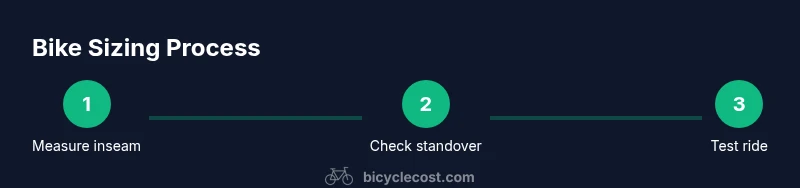
Have the child stand straight with shoes off. Measure from the floor to the crotch for inseam and note overall height. Record these values alongside age and growth expectations.
Tip: Use a lightweight object like a book to press against the inseam to maintain accuracy. - 3
Check standover clearance and seat height
When straddling the bike, ensure a comfortable clearance. Set the seat so that the child can touch the ground with feet flat when seated, and so pedals reach without knee strain.
Tip: If the knee bends excessively, lower the seat slightly or choose a smaller frame. - 4
Adjust seat and handlebar position
Fine-tune seat height and handlebar reach to keep elbows slightly bent and wrists comfortable. Ensure the child can control steering without overextending.
Tip: Use quick-release or clamps for easy future adjustments. - 5
Test ride with guidance
Take a short test ride in a safe area. Observe balance, braking ease, and reaction to steering. Confirm that the child can start, stop, and coast without tips.
Tip: Encourage the child to shift weight gently while turning to build confidence. - 6
Verify safety checks and plan growth
Check tire pressure, brake operation, and chain tension. Make a note of the bike’s growth potential (adjustable seat, handlebars, frame size) for future upgrades.
Tip: Document the measurements and revisit sizing after several growth spurts.
People Also Ask
What is the best way to measure my child for a bike size?
Measure the inseam with the child standing barefoot and record height. Compare to the bike's adjustable range and check standover clearance. Always test ride to confirm comfort and control.
Measure inseam and height, compare to the bike's range, then test ride to confirm comfort and control.
Can a 5-year-old ride a bike with smaller wheels if they are tall for their age?
Smaller wheels can be easier to maneuver and balance, but frame fit and seat height matter most. If the frame fits, smaller wheels may work, but ensure safe braking and reach.
If the frame fits well, smaller wheels can work, but focus on seat height and reach for safety.
What is the difference between wheel sizes on kids bikes?
Wheel size affects stability, turning radius, and how quickly a rider can learn. Smaller wheels aid balance when learning, while larger wheels offer stability as skills mature.
Smaller wheels help with balance; larger wheels bring stability as skills grow.
How long will a child typically ride a bike before upgrading size?
Growth varies by child, but expect to revisit sizing as height and inseam change with growth spurts. Regular checks after several months of riding are wise.
Kids often outgrow sizes in a year or so; check growth closely after they start riding.
Is a balance bike useful before moving to a pedal bike?
Balance bikes help build core riding balance before introducing pedals. They can ease the transition to a pedal bike when ready.
Balance bikes are great for early balance before pedals.
What safety gear should accompany initial riding?
Always use a properly fitting helmet. Add knee and elbow pads if needed and ensure visibility with bright clothing or lights.
Helmet is essential; add pads if needed and stay visible.
Watch Video
Quick Summary
- Size by inseam, not age.
- Seat height should allow touch-ground confidence.
- Adjustable components extend ride life.
- Always test ride with safety gear.
- Plan for growth with future upgrades.