How to Know if a Bicycle Is Good: A Practical Guide
Learn how to evaluate a bicycle's frame, components, fit, and safety to determine if it’s a smart buy. A BicycleCost guide focused on frame inspection, maintenance history, and rider comfort.


Want to know if a bicycle is good? This guide teaches you to evaluate frame integrity, components, fit, and safety using a simple, repeatable checklist. You’ll learn what to inspect in person, how to test ride when possible, and what upgrades matter for long-term value. Whether you ride for commuting, racing, or casual rides, the same principles apply. Apply this checklist to new bikes and honest sellers alike to avoid buying a lemon.
What makes a bicycle good?
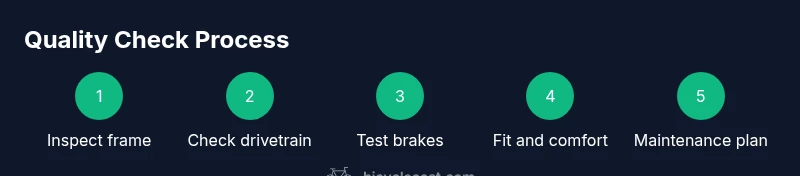
A bicycle is not good merely because it has premium decals or a price tag; it is good when it fits your riding goals and remains reliable over time. According to BicycleCost, a thorough early evaluation helps buyers distinguish true quality from marketing hype. Start with the frame: look for straight lines, smooth welds, and no obvious dents or cracks. Check that the fork blades align with the front wheel. Inspect the headtube and bottom bracket for play or looseness. Move to the drivetrain: the chain should sit clean on the chainrings, with no rust or stiff links; gears should shift smoothly without skipping. Brakes should respond promptly and evenly; hydraulic brakes feel firm and modulate with fine control, while mechanical brakes should pull firmly with minimal lever travel. Wheels should run true when spun by hand and have no loose spokes. Tires should be evenly worn, with adequate tread and no bulges. Finally, check components: the saddle, handlebars, and grips should offer comfortable reach and a good balance of support. If the bike has been ridden in harsh conditions, inspect for rust and corrosion in corners where water sits. Value is not only in new parts but in the condition of components and the overall maintenance history. The BicycleCost team emphasizes that a well-maintained bike often feels immediate when you ride it, delivering confidence and predictable handling.
Core indicators to inspect when buying used or new
When evaluating a bicycle, look beyond cosmetics. Frame geometry and material influence ride feel and durability. Aluminum frames are common and lightweight, steel frames can be durable, and carbon frames are stiffer but require careful handling. Check serial numbers and any owner notes to confirm authenticity and service history. Look for consistent paint wear and signs of impact repair. Gently press on the seat stays and chainstays to detect hairline cracks; listen for creaks that could indicate loosened joints. Spin the pedals with the chain engaged to feel for stiff bearings; if the wheels wobble, that signals rim or hub wear that may require replacement. Inspect the headset; twist the fork from side to side to feel for play. Examine the bottom bracket for side-to-side movement; a loose bottom bracket can require more extensive work. Review the drivetrain: listen for squeaks, test the derailleur limit screws, and ensure the chain runs smoothly across the gears. Tires: check for uniform wear, sidewall cracks, and adequate tread depth. Brakes: inspect pads for wear and look at rotor wear. If you cannot test ride, pay attention to how easily the brakes engage when gently applying the lever. This inspection helps you estimate maintenance needs and future costs.
Sizing and fit: ensuring comfort and control
Fit matters as much as the bike’s features. A correctly sized bike allows efficient pedaling, confident steering, and reduced risk of discomfort or injury. Start with standover height: you should have a clearance of at least 1–2 inches for road bikes, more for mountain bikes. Next, check reach: the handlebars should place your hands at a comfortable distance from the saddle, with a slight elbow bend when riding. The saddle height should allow your knee to be almost fully extended at the bottom of the pedal stroke without hyperextension. Toe-to-pedal alignment is another cue; your knee should track over the pedal axle when you push forward. If you’re between sizes, seek a frame with adjustable stem or seatpost; a professional bike fit can optimize geometry to your torso and limb length. Bring your own shoes if possible and measure your inseam, arm length, and torso length to compare to manufacturer size charts. For women-specific bikes, consider frame geometry and handlebar reach as key differentiators. Finally, test comfort by mimicking typical riding positions: hands on brakes, elbows slightly bent, back comfortable. Small adjustments to saddle tilt or handlebar height can dramatically improve comfort and control.
Evaluating condition and wear without a full test ride
If you can’t ride, you can still gauge value. Start by evaluating the frame for cracks at welds, chainstays, and seatstays; even small hairline fractures can compromise safety. Check alignment by eye: brake calipers should align with rims without rubbing when the wheel spins. Inspect the tires for hard spots or flat spots that indicate age-related deterioration. Rotate the crank and listen for grinding that suggests worn bearings. Inspect the chain and cogs: a rusty chain may stretch and require replacement; check for chain elongation using a ruler or chain wear tool. Look at the brake rotors (if present) for grooves and curvature that signal wear. If the bike has been neglected, you may observe rust on aluminum components or water damage in the cockpit area. Take note of service history: recent replacements (chain, brake pads, tires) reduce future costs; frequent short rides can indicate more frequent maintenance needs. When possible, request a demonstration that the gears shift smoothly through all gears; if you cannot test ride, request a dry-run with the wheel removed to verify wheel bearings and dropout alignment. This approach isn’t as precise as a test ride, but it yields actionable maintenance insights and helps you compare different options.
Upgrades, maintenance, and value
Upgrading can improve performance and comfort; however, it should be weighed against the bike’s baseline quality. A solid base frame with good hubs and a decent drivetrain often yields better long-term value than a flashy but worn component set. Common upgrades include better brakes (hydraulic discs in many disciplines), improved drivetrain efficiency (e.g., 11- or 12-speed systems), and more comfortable saddles or handlebars. Consider the total cost of ownership; a lower upfront price paired with necessary maintenance can exceed a mid-range bike that requires minimal upkeep. Maintenance basics: clean and lubricate the chain regularly, inspect cables and housings for wear, keep bearings clean and greased, and ensure the tires are inflated to recommended pressures. The frequency of maintenance depends on riding style, terrain, and climate. If you’re shopping used, ask the seller for service receipts or a maintenance log; if new, request a warranty document and a showroom demo. The goal is to estimate future costs and determine if the bike aligns with your riding goals and budget. BicycleCost analysis shows that value comes from a well-documented maintenance history and reliable components more than flashy cosmetics.
Safety checks and maintenance basics
Safety starts with regular checks you can perform before every ride. Quick pre-ride checks include brake function, tire pressure, chain lubrication, and the quick look at the helmet and lights if you ride at night. A more thorough monthly inspection should cover headset tightness, hub play, wheel trueness, and brake pad wear. Inspect the frame for cracks, corrosion, or dents, especially near welds or around bottle cage mounts. If you hear creaks or feel vague steering, stop riding and assess the headtube, stem, and handlebar bolts. Lubricate moving parts lightly and avoid over-oiling, which can attract dirt. Keep a basic maintenance log: date, parts replaced, and any notable issues. This habit helps you track wear, plan replacements, and maintain safety. The BicycleCost team recommends maintaining a simple routine: quick checks before every ride, a thorough inspection every few weeks, and professional service at least once a year to ensure long-term reliability and rider safety.
Tools & Materials
- Bike repair stand(Stable, height adjustable; enables hands-free inspection of wheels and bottom bracket.)
- Hex wrenches (4/5/6/8 mm)(Essential for checking and adjusting most components.)
- Torque wrench (optional)(Helps avoid over-tightening critical bolts.)
- Bike pump with gauge(Verify tire pressure and test ride readiness.)
- Chain wear gauge / ruler(Assess chain elongation and drive wear.)
- Screwdrivers (Phillips and flat)(Used for derailleur screws and accessories.)
- Notebook or smartphone for notes(Record findings and measurements.)
- Light lubricant(Lightly lubricate pivots and chain ends as needed.)
- Protective gloves(Keep hands clean during inspection.)
Steps
Estimated time: 60-90 minutes
- 1
Prepare your inspection checklist
Set riding goals, budget, and a list of must-have features. Confirm whether you’ll buy used or new and whether a professional fit is needed. Having a plan helps you stay objective during the evaluation.
Tip: Bring a tape measure for sizing checks and reference manufacturer charts. - 2
Inspect the frame and forks
Look for cracks, dents, rust, and signs of previous repairs. Check alignment by eye and feel for wobble when you rock the bike side-to-side. A sound frame is the foundation of a good bicycle.
Tip: Gently twist the front wheel while keeping the bike steady to feel fork looseness. - 3
Evaluate wheels, tires, and brakes
Spin each wheel; look for true rims and acceptable spoke tension. Inspect tire tread and sidewalls; check brake pads for wear and rotor surface for grooves. Brakes should engage smoothly and consistently.
Tip: Check brake lever travel to ensure you aren’t near the minimum safe travel distance. - 4
Assess drivetrain wear
Inspect chain, chainrings, cassette, and derailleurs for wear, rust, and smooth movement. Wiggle the crank to detect play. Run through gears to confirm shifting is precise and noiseless.
Tip: Replace a worn chain to prevent accelerated wear on sprockets. - 5
Measure sizing and fit
Check standover height, reach, and saddle position. Ensure you can reach brakes and shifters comfortably with a slight elbow bend. Consider a professional fit if you’re between sizes.
Tip: If in doubt, err on the smaller frame with adjustable components. - 6
Test ride if possible
A full ride confirms comfort, handling, and responsiveness. If riding isn’t possible, request a controlled demo or simulate riding positions on a stationary trainer.
Tip: Note how the bike feels in acceleration, cornering, and braking.
People Also Ask
What is the best way to decide if a used bicycle is worth buying?
Start with a thorough frame and fork inspection, verify maintenance history, and assess wear on drivetrain and brakes. If the bike passes a detailed check and fits you well, it’s worth considering. Always compare with similar options to judge value.
Check the frame, history, and wear; if those align with your needs, a used bike can be a smart purchase.
How can I tell if the frame has structural damage?
Look for cracks around welds, dents, or deep scratches. Listen for creaks when applying pressure and feel for any unusual movement at joints. If you suspect damage, have a professional inspection before riding.
Inspect for cracks and listen for creaks; a frame with any doubt should be evaluated by a pro.
Is it better to buy new or used for reliability?
New bikes come with warranties and guaranteed conditions, but a well-maintained used bike can offer excellent value. Weigh the price against potential maintenance costs and the bike’s current condition.
New gives warranty, used saves money if inspected well.
How much should I expect to upgrade later on?
Upgrades vary by component, but expect to invest in brakes, drivetrain, and tires as common starting points. Estimate total ownership costs by factoring anticipated maintenance and upgrade needs.
Start with essential upgrades like brakes or tires if the stock setup isn’t meeting your needs.
Does sizing determine overall ride quality more than parts?
Fit and geometry largely dictate comfort and control. Well-fitted components can dramatically improve ride quality even on a lower-tier frame. It’s worth prioritizing sizing and fit early in the decision.
Size and fit often beat fancy parts for comfort and handling.
Watch Video
Quick Summary
- Define riding goals and budget before inspecting
- Check frame, wheels, and brakes for wear and alignment
- Prioritize sizing/fit for comfort and control
- Document maintenance history to assess value
- Test ride when possible and note any safety concerns