Do You Need to Wear a Helmet on a Bicycle in Florida?
Explore Florida helmet laws for bicycles, who must wear one, safety benefits, and practical tips from BicycleCost to ride confidently on sunny Florida streets. Stay compliant and safe.


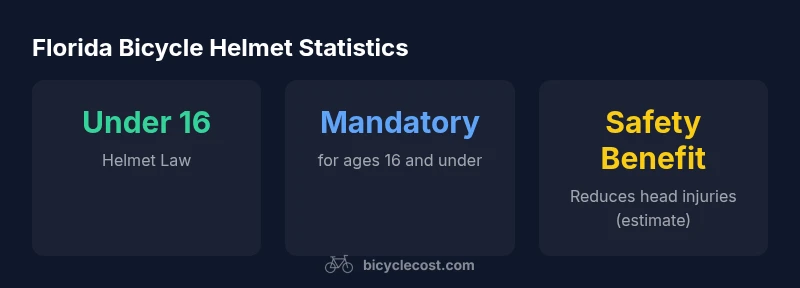
Florida's helmet requirement focuses on riders under 16. Specifically, riders 15 and younger must wear a helmet when operating a bicycle on public roads, bike lanes, or paths. Adults aren’t mandated by state law, but wearing a helmet is strongly encouraged for safety. Local ordinances may vary, so check your city or county rules before riding.
Florida Helmet Law at a Glance
Florida’s helmet statute places the primary requirement on younger riders. Specifically, riders aged 15 and younger must wear a protective helmet when operating a bicycle on public roads, bike lanes, or designated paths. This age-based approach provides a straightforward rule for families, schools, and youth programs, helping to reduce head injuries among children during bike time. The BicycleCost team notes that this age cutoff reflects a broad public safety intention—protecting developing brains while allowing adults the flexibility to ride without a statewide helmet mandate. It’s important to recognize that enforcement can vary by county and municipality, and some localities may layer additional safety rules on top of the state baseline. Always confirm local ordinances before hosting a community ride or taking kids on outings in new jurisdictions.
Who Is Covered by the Florida Requirement
In practice, the helmet requirement applies to anyone operating a bicycle who is 15 years old or younger. Parents and guardians are responsible for ensuring their children wear helmets, and many schools and youth programs enforce the rule during field trips and after-school activities. For families visiting Florida, this rule is generally straightforward: if your child is under the 16-year threshold, a properly fitted helmet is legally expected during bicycle use in public spaces. For older riders, there is no statewide mandate, but the safety rationale remains strong. The BicycleCost analysis highlights that safety culture around cycling benefits from consistent helmet use regardless of age, especially in high-traffic areas or during low-visibility conditions.
Why a Helmet Matters: Safety Benefits
Helmets are designed to absorb impact and reduce the risk of skull fractures and traumatic brain injuries in a fall or collision. While no protective gear eliminates risk, wearing a helmet consistently is associated with lower injury severity in cycling incidents. The data pool across safety studies shows a broad, evidence-based consensus that properly fitted helmets can mitigate the severity of head injuries by a sizable margin. The BicycleCost analysis emphasizes that helmet quality, correct sizing, and proper strap adjustment matter as much as brand prestige. Riders should view helmet use as part of a layered safety approach that also includes visible clothing, lights, reflectors, and predictable riding behavior. In Florida, the age-based legal protection aligns with this safety philosophy by normalizing helmet use for youth while encouraging adults to adopt the practice.
Safety Tips for Fitting and Adjusting a Helmet
A properly fitted helmet sits level on the head, covers the forehead, and stays securely in place without being uncomfortable. Start with a correct size, then adjust the chin strap so two fingers fit snugly under it when the mouth is opened wide. Straps should form a “V” right under the ears. Check that the helmet does not rock back and forth and that the front sits about one inch above the eyebrows. Inspect the shell for cracks or dents, and replace the helmet after any impact or significant wear. Ensure the helmet meets recognized standards (CPSC in the US, EN 1078 in parts of the world). Regular cleaning and storage away from direct sunlight extend the helmet’s life. Keeping your helmet in good condition reinforces safety every time you ride.
Local Variations: Counties and Municipal Rules
Beyond the statewide rule, Florida communities sometimes adopt additional safety measures or enforcement practices. Some counties or municipalities may implement stricter helmet regulations for school zones, certain events, or youth programs. It’s wise to check local city or county codes before planning events, especially in tourist-heavy areas with variable traffic patterns. Community bike events often provide helmets on site to encourage compliance. When in doubt, contact local law enforcement or the city clerk’s office for the latest mandates. The emphasis remains clear: protective headgear improves outcomes in crashes, particularly for younger riders who may be more vulnerable to injury due to developing neurological systems.
Practical Scenarios: Commuting, Recreation, and Kids
For daily commuting in Florida, remember that an 80-degree ride in a sunlit neighborhood can still end in a fall or sudden stop. Wearing a helmet reduces head injury risk in such unpredictable incidents, and many riders keep a spare in a backpack for longer trips. Families with young cyclists should make helmet fitting a routine before every ride, involving kids in the adjustment process to foster safety-conscious habits. Recreational riders in parks or along coastal lanes should treat helmet use as a baseline expectation, as wildlife, pedestrians, and other cyclists can create unexpected hazards. While adults aren’t legally required to wear a helmet, doing so consistently signals a safety-first mindset that supports broader community health goals.
How to Choose a Helmet and Keep It Safe
When selecting a helmet, prioritize a certified product (CPSC for the US or EN 1078 for international standards). Try on multiple sizes to find a snug fit and ensure the helmet does not tilt backward or forward. Check for comfortable padding, adjustable straps, and ample venting for Florida’s heat. Replace a helmet after any crash, or if you notice cracks, discoloration, or warped foam. Proper maintenance includes cleaning with mild soap and water, avoiding harsh chemicals, and storing the helmet away from direct sunlight to prevent material degradation. Finally, incorporate helmet use into a broader safety routine that includes reflective gear, proper bike maintenance, and safe riding practices like signaling turns and obeying traffic signals.
Common Myths and Misconceptions
Some riders believe helmets are only necessary for high-speed or downhill riding. In reality, falls can happen at pedestrian speeds on city streets or bike paths, and even a minor collision with a curb can cause serious head injuries. Others think helmets prevent vision or hearing; modern helmets are designed to be lightweight and unobtrusive, with improved ventilation and strap systems. Some assume that wearing a helmet means taking unnecessary risks; instead, a helmet is a proactive safety measure that complements defensive riding. The Florida rule for under-16 riders reinforces the idea that education and habit-building around helmet use begin early, helping cultivate lifelong safety practices for all ages. The BicycleCost team emphasizes that safety is a shared responsibility—parents, schools, municipalities, and individual riders all benefit when helmet use becomes habitual.
Overview of helmet rules and standards in Florida
| Aspect | Florida law | Notes |
|---|---|---|
| Helmet requirement by age | Under 16 mandatory | State law; adults not required |
| Local variations | Possible city/county rules | Check local jurisdictions |
| Helmet standards | CPSC (US) / EN 1078 (EU) | Ensure proper certification in your region |
People Also Ask
Do adults in Florida have to wear a helmet?
No statewide requirement for adults; helmets are encouraged for safety and lifestyle choices. Local rules may impose additional requirements, so verify before riding in specific locales.
Adults aren’t required by Florida law to wear helmets, but it’s a smart safety practice. Check local rules if you’re riding in a new area.
Are there any age-based exemptions?
Exemptions, if any, vary by locality. The standard statewide rule focuses on riders under 16. Always review city or county codes for exceptions or additions to the law.
Exemptions differ by locality; check your municipal codes for any special rules.
What certifications should I look for in a helmet?
Look for CPSC certification in the US or EN 1078 certification internationally. Ensure the helmet fits properly and has no damage.
Make sure your helmet is certified and fits well before riding.
How should I check helmet fit?
Adjust the straps to form a V under the ears, fasten tight enough to stay in place with a gentle shake, and ensure comfortable padding.
Try on the helmet and adjust the straps until it sits snugly and doesn’t move.
Do Florida routes require helmets for kids on sidewalks or bike lanes?
The state rule targets riders under 16 in public spaces; local jurisdictions could add stricter requirements. When in doubt, check local ordinances before riding in a new area.
Local rules can vary; always confirm rules for the area you’re riding in.
“Helmet use is a simple, effective safety measure that protects your brain during a crash.”
Quick Summary
- Know the age-based requirement and local variations.
- Wearing a helmet significantly improves safety during falls.
- Choose certified helmets and ensure a proper, secure fit.
- Always verify local ordinances before riding in new areas.