Can You Bike While On Your Period? A Practical Guide for Cyclists
A comprehensive guide for cyclists riding during menstruation, covering safety, gear, pacing, and comfort. Practical steps help you ride confidently while on your period.


Yes—you can ride a bike while you’re on your period. Cycling is generally safe for most people, with minor adjustments to gear, hydration, and pacing. If cramps or fatigue spike, ease up, hydrate, and listen to your body to avoid overexertion. Start with comfortable gear and shorter rides, then adapt as needed.
Understanding the Basics of Riding During Your Period
Riding a bike during your menstrual cycle is a common topic among cyclists who want to stay consistent with training. The question often asked is can you bike while on period, and the answer is yes for most people. Factors like cramps, fatigue, and fluid balance can influence comfort, but with sensible planning you can maintain momentum. The secret is to approach each ride as an equipment and pacing problem, not a medical obstacle. Start by noting how you feel that day, then decide on a route, duration, and intensity that matches your energy level. This mindset helps you stay in control rather than fighting through symptoms. According to BicycleCost, thoughtful preparation—hydration, product choice, and a flexible schedule—turns a potentially uncomfortable ride into a manageable workout. The body’s signals will guide you: if cramps are mild and energy is steady, a moderate ride is often fine; if symptoms spike, reduce pace or skip that day. Remember that you know your body best, and there is no one-size-fits-all rule for menstruation and cycling.
Physical Effects to Expect and How to Manage Them
Menstrual symptoms vary from person to person and even day to day. During a ride you might feel cramping, fatigue, headaches, or mood fluctuations, all of which can affect cadence and motivation. Hydration tends to be more critical during this time because fluid balance shifts with hormones. Iron levels can influence perceived exertion, particularly on heavier flows, so plan meals and snacks that support steady energy. The goal is to minimize disruption while maintaining safety and form. Short warmups, comfortable clothing, and deliberate pacing help you gauge how your body responds. If you notice dizziness, lightheadedness, or excessive fatigue, take a break, rehydrate, and reassess. The BicycleCost Team emphasizes that listening to your body is essential; adjust intensity, route choice, and rest periods based on how you feel rather than sticking to a rigid plan. With awareness, most riders can complete their rides with confidence—even on heavier flow days.
Gear, Products, and Comfort for Period Rides
The right setup makes a big difference when you ride during your period. Choose menstrual products you are confident using on a bike—tampons, menstrual cups, period underwear, or a combo that reduces the risk of leaks. Test-fit products before longer rides to ensure comfort and security on the saddle. For comfort, invest in padded shorts or a saddle cover, and consider breathable, moisture-wicking clothing to minimize chafing. Carry a small, accessible backup plan (extra pads or a spare underwear) and a lightweight bag with a few emergency items. Saddle comfort is often the bottleneck for longer rides, so adjust saddle height or use a gel saddle cover if pressure points appear. The goal is to stay focused on riding, not on adjusting equipment mid-ride. The BicycleCost team recommends practicing a short practice ride with your chosen setup to confirm everything fits and feels right under real riding conditions.
Pacing, Intensity, and Training Adjustments
Period days often require pacing adjustments. Treat workouts as flexible experiments rather than fixed prescriptions. On days when cramps are mild, you may maintain your usual cadence for shorter intervals or increase rest between efforts. On heavier days, drop intensity, shorten intervals, and choose flatter routes to protect form and reduce perceived exertion. A practical approach is to begin with a generous warmup, then test your threshold with light accelerations, and end with a relaxed cooldown. If energy drops quickly, switch to a brisk recovery ride or opt for a restorative spin instead of pushing through discomfort. The aim is consistency, not intensity. Over time, you’ll learn patterns—some days you feel strong, others require gentler planning. BicycleCost recommends keeping a simple ride log to track how symptoms correlate with performance, so you can adjust future plans accordingly.
Safety Considerations on the Road
Safety is paramount, especially if you’re managing menstrual symptoms. Plan rides in familiar areas, bring a route map, and ensure you have lights or visibility gear if riding at dawn or dusk. Carry reliable menstrual products within easy reach and swap products as needed to stay secure. If you ride in inclement weather or on busy streets, consider shorter, more cautious rides or alternate days. It’s wise to share your ride plan with a friend or partner and carry a lightweight phone with emergency contacts. If cramps intensify or you feel faint, stop in a safe location, hydrate, and reassess before resuming. The primary goal is to complete rides safely while respecting your body’s signals.
Hydration, Nutrition, and Timing
Hydration and fueling during the menstrual cycle can influence energy and comfort on the bike. Drink water at regular intervals and consider electrolytes on hot days or during longer rides. Plan meals and snacks to stabilize blood sugar and prevent energy crashes—focus on balanced carbohydrates, protein, and healthy fats. If you experience nausea, try smaller, more frequent snacks and avoid heavy, greasy foods right before riding. Time your rides so you’re not testing post-meal digestion on hard efforts; a light snack an hour before can keep energy steady. The BicycleCost Team notes that minor adjustments in hydration and nutrition can have outsized effects on how you feel on the bike during your period, helping you stay consistent and comfortable.
Realistic Routines for a Week of Riding on Period Days
A practical week might include a mix of shorter, easier rides and one or two moderate sessions. For example, plan three 45-minute rides with gentle terrain on days you feel balanced, then reserve a longer ride on a day when symptoms are mild and energy is higher. Use rest days strategically to support recovery, especially if cramps disrupt sleep or cause fatigue. Map your week around your energy patterns and local weather, and adjust as needed. Keeping a simple calendar helps you anticipate days when you may need to scale back. Over time, you’ll develop a rhythm that allows you to maintain consistency across your training cycle, even during menstruation.
Myths vs. Facts: What Really Helps When You Ride on Your Period
Dispelling myths is part of building confidence. A common misconception is that riding will worsen cramps or flow; in reality, mild activity can release endorphins and improve mood for some riders, though intense sessions may not be ideal on heavy days. Another myth is that you must avoid all training during your period; instead, treat it as an opportunity to adapt—reduce load or duration as needed and return to normal training when symptoms subside. A third misconception is that hormonal changes make all rides uncomfortable; while hormones can influence energy and body temperature, the right gear and pacing choices significantly improve comfort. The key is to plan, listen to your body, and adjust your rides to fit how you feel on any given day. The goal is sustainable movement that supports your health and fitness while respecting menstrual symptoms.
Tools & Materials
- Water bottle(At least 500 ml, easy access on the bike)
- Menstrual product options (tampon, pad, menstrual cup, or period underwear)(Choose what you’re comfortable using and practiced with during rides)
- Saddle comfort gear (pad, cover, or padded shorts)(Enhances comfort on longer rides)
- Breathable cycling clothing(Helps manage moisture and skin irritation)
- Small first-aid kit(Band-aids, antiseptic wipes, and emergency contact card)
- Energy snacks(Gels or bars for quick fueling during longer rides)
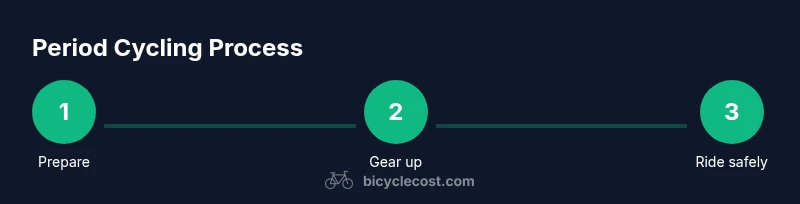
Steps
Estimated time: 1-2 hours
- 1
Assess how you feel and plan
Take a moment to check your energy, cramps, and overall mood. If symptoms are mild, plan a short ride with a forgiving route. If fatigue or cramps are high, consider postponing or choosing a very light ride. This helps prevent overexertion and reduces risk of discomfort mid-ride.
Tip: Start with a 10–15 minute warmup to gauge how you feel before extending the ride. - 2
Choose a reliable menstrual product and test fit
Select a product you’ve practiced with and test it at home before heading out. Ensure it stays in place during pedaling and shifting. Carry a backup if feasible.
Tip: Wear clothing that makes product changes quick and discreet if needed. - 3
Prepare gear for comfort
Put on padded shorts or saddle cover, adjust saddle height, and choose breathable layers. Ensure your equipment doesn’t require frequent readjustment during the ride.
Tip: Test your setup on a short spin around the block first. - 4
Warm up and gauge your pace
Begin with a gentle cadence for 5–10 minutes. If energy feels strong, you can gradually pick up pace; otherwise, keep it easy and steady.
Tip: Use heart rate or perceived exertion to monitor effort rather than chasing exact numbers. - 5
Ride with a conservative pace and check-in
Maintain a comfortable tempo and stop briefly if cramps or dizziness appear. Hydrate at planned intervals and refuel as needed.
Tip: Plan rest stops within your route so you aren’t rushing to finish. - 6
Pause for cramps or fatigue
If pain spikes or you feel faint, pause in a safe spot, hydrate, stretch gently, and reassess. Don’t push through severe symptoms.
Tip: Carry a small towel and ensure you can quickly manage clothing adjustments. - 7
Cool down and recover
Finish with a relaxed cooldown and some light stretching. Rehydrate and have a balanced snack to support recovery.
Tip: Document how you felt to fine-tune future rides.
People Also Ask
Is it unsafe to ride during heavy menstrual flow?
Riding during heavy flow is not inherently unsafe. Listen to your body, and if symptoms are intense, shorten the ride or pause. Always have a plan to manage leaks and stay comfortable.
Riding during heavy flow isn't inherently unsafe, but listen to your body and pause if symptoms are intense.
Will riding during cramps worsen cramps?
For some riders, light activity can alleviate cramps by releasing endorphins; for others, it may feel worse. Start slow, monitor symptoms, and adjust intensity accordingly.
Light activity can relieve cramps for some, but listen to how you feel and slow down if needed.
What menstrual products are best for cycling?
Choose products you are comfortable using on a bike, such as tampons, cups, or period underwear. Test fit before longer rides and carry a backup.
Use products you trust on a bike and test fit before longer rides.
Should I modify my training on period days?
Yes. Treat workouts as flexible; reduce intensity, shorten intervals, and adjust routes based on energy and symptoms.
Yes—adjust intensity and duration based on how you feel.
Are there benefits to cycling on your period for fitness?
Moderate activity can support mood and energy through endorphins; the key is consistency and listening to your body.
Moderate activity can help mood and energy if you listen to your body.
Watch Video
Quick Summary
- Plan rides around your symptoms.
- Choose gear that prioritizes comfort.
- Hydrate and fuel for steady energy.
- Listen to your body and rest when needed.