Can You Bicycle When Pregnant? A Practical Safety Guide
Can you bicycle when pregnant? Discover practical, medically informed guidance for safer riding during pregnancy, including gear, pacing, and how to adjust as your body changes. Learn with BicycleCost's expert tips.


You can bicycle during pregnancy, with proper precautions. Start by confirming with your clinician, then select a comfortable, well-fitted bike and gear. Keep sessions light, avoid overheating, and listen to your body. Stop for dizziness, pain, or fatigue, and adjust intensity as pregnancy progresses. BicycleCost recommends conservative pacing and regular check-ins.
Can you bicycle when pregnant? Practical overview
The question can you bicycle when pregnant is not a simple yes or no. For many people, cycling remains a safe option during uncomplicated pregnancies, offering cardiovascular benefits with minimal joint impact. The key is individualized guidance, careful pacing, and attention to how your body feels as pregnancy progresses. According to BicycleCost, the safest approach is to treat cycling as a flexible activity you adapt over time rather than a fixed routine. Begin with a medical clearance discussion, select a bike that fits your changing posture, and schedule rides when you feel rested and comfortable. Throughout, prioritize hydration, cooling, and ample breaks. If any red flags appear—dizziness, chest pain, abdominal pain, or severe fatigue—pause and contact your healthcare provider. This mindful approach helps preserve your energy, comfort, and safety while you continue to enjoy gentle movement on two wheels.
Medical considerations and when to consult your doctor
Before resuming or starting any cycling routine during pregnancy, obtain clear medical guidance. Providers typically consider factors such as gestational age, history of pregnancy complications, and current fitness level. Even if you felt strong before pregnancy, the body changes quickly, and what felt easy in the first trimester may feel challenging later. Discuss intended ride duration and intensity, baseline heart rate targets, and any warning signs that should trigger a stop. If you have a high-risk pregnancy, congenital conditions, or placenta previa, your clinician may adjust activities or set stricter limits. BicycleCost emphasizes that decisions should be made in partnership with your clinician, not by momentum or external pressures. Trust your body’s signals above any schedule or peer expectations, and keep a flexible plan that prioritizes safety over mileage.
Bicycle setup: saddle, handlebars, fit, and gear
A comfortable, well-fitted bike is essential when you’re pregnant. Start with a neutral saddle position, verify saddle height so your knee is slightly bent at the bottom of the pedal stroke, and ensure handlebars allow relaxed, upright posture. A wider, more upright riding position reduces pressure on the abdomen and improves breathing. Consider a saddle with relief cutout or a wider cutout to minimize pressure on soft tissues. Use a bike with reliable brakes, responsive gearing, and stable balance, and avoid aggressive stances or steep downhill odds. Dress in breathable, layerable clothing and wear a properly fitted helmet. Hydration packs or water bottles should be easy to access without breaking rhythm, and reflective gear helps visibility. Regularly inspect tires, brakes, and lights before rides for safety. BicycleCost recommends routine, gradual adjustments rather than large changes all at once.
Ride planning: intensity, duration, and frequency
Plan gentle sessions rather than long, strenuous rides. Aim for 20–45 minutes on flat terrain at a comfortable pace where you can carry on a conversation. Use perceived exertion or talk test rather than relying on max heart rate targets, which can be unreliable during pregnancy. Keep cadence steady, avoid high-intensity intervals, and scale back during fatigue or heat. Hydration strategies—sip small amounts frequently—help prevent dizziness and overheating. Schedule rides during cooler parts of the day and in shaded areas when possible. If you’re new to cycling, gradually increase duration by 5–10 minutes per week, and monitor how your body responds as your pregnancy progresses.
Environment and safety: overheating, hydration, clothing
Overheating is a key risk during pregnancy. Choose mornings or late afternoons for rides, wear breathable fabrics, and carry a small towel or cooling cloth for breaks. Hydration is critical—aim for small, frequent sips rather than large gulps. Dress for visibility in all weather: bright colors, reflective materials, and lights if riding near dawn or dusk. Plan safe routes with wide shoulders, light traffic, and clear sightlines. Carry a basic first aid kit and a phone in case of emergencies. Be mindful of weather changes, wind chill, and sun exposure, and adjust your plan to stay comfortable and safe. BicycleCost stresses that maintaining a lower-risk environment is essential for safe cycling during pregnancy.
On-the-road techniques: turns, hills, and emergency maneuvers
Maintain steady, predictable movements on the road, especially when turning or negotiating hills. Practice braking early on gentle slopes and anticipate surfaces that could slip, such as wet pavement. If you encounter fatigue or dizziness, slow down and stop in a safe area. Keep a short, manageable route that you can repeat and modify as needed. If you share the ride with a partner or friend, agree on signals and pace. Use bike paths or quiet streets when possible to minimize exposure to traffic hazards. Always carry your emergency contact information and medical details.
Post-ride recovery and care
After riding, cool down with 5–10 minutes of easy pedaling, followed by light stretching focusing on hips, hamstrings, and back. Replenish fluids and a small snack to support energy recovery, and monitor your body for delayed symptoms such as cramps or lightheadedness. A gentle shower and comfortable clothing help regulate body temperature and comfort. Track how you recover after each ride to build a sustainable routine. Regular, moderate movement supports circulation and mood, but avoid pushing beyond a comfortable threshold. If discomfort persists, adjust your plan or seek professional advice.
Trimester-specific guidance and planning ahead
First trimester can often allow similar activity to pre-pregnancy levels with close monitoring. In the second trimester, energy levels and balance may change, so shorter sessions with frequent rest breaks are common. In the third trimester, consider lower-impact routes, reduced intensity, and focusing on comfort and safety. Always reassess your limits with your clinician before any major changes. If you plan to continue cycling into postpartum recovery, prepare gradual reintroduction and adapt equipment as needed. The overarching principle is flexible pacing and ongoing medical supervision to help you safely enjoy cycling during pregnancy.
Tools & Materials
- Bicycle(A comfortable, well-maintained bike suitable for your height and riding style)
- Helmet(Certified helmet that fits securely)
- Saddle with relief cutout or wide seat(Helps reduce abdominal pressure as pregnancy progresses)
- Hydration plan (water bottle or hydration pack)(Keep a steady hydration schedule during rides)
- Breathable cycling clothing(Comfortable, moisture-wicking fabrics; consider layers)
- High-visibility gear(Reflective vest or bright colors for safety)
- Basic repair kit(Tire levers, patch kit, mini pump; flat repairs can occur unexpectedly)
- Phone and emergency info(Store emergency contacts and medical details)
Steps
Estimated time: 60-90 minutes
- 1
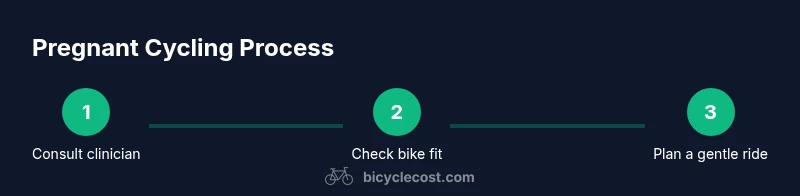
Consult your healthcare provider
Schedule a check-in to discuss exercise tolerance, medical history, and any pregnancy-specific precautions. Clarify acceptable heart rate ranges or perceived exertion limits, and establish warning signs that require stopping. This step sets the safety baseline for all future rides.
Tip: Bring your recent prenatal test results and a list of current medications. - 2
Assess and adjust bike fit
Check saddle height, reach, and handlebar position to maintain an upright, comfortable posture. Consider a wider saddle and a shorter stem if balance or abdominal comfort is affected. Make small adjustments and test them on a short ride before committing to longer sessions.
Tip: Make incremental changes over days, not all at once. - 3
Plan a gentle ride and warm-up
Define a modest duration (20–45 minutes) on flat terrain to begin. Begin with a 5–10 minute warm-up at an easy pace to gradually raise heart rate and loosen muscles. Throughout, maintain a conversational pace to prevent pushing beyond safe exertion.
Tip: If you start to feel lightheaded, slow down or stop for a break. - 4
Ride with a buddy or in safe areas
Choose low-traffic routes or designated bike paths and ride with a partner when possible. This reduces risk and makes it easier to manage any discomfort. Notify someone of your route and expected return time.
Tip: Keep your phone accessible and share your location with a trusted contact. - 5
Monitor symptoms and adapt
Pay close attention to signs such as dizziness, chest discomfort, or unusual fatigue. If any symptoms arise, stop riding and rest. Reassess intensity for future sessions and consult your clinician if symptoms recur.
Tip: Hydration and cooling breaks help prevent overheating. - 6
Cool-down and post-ride care
Finish with 5–10 minutes of light pedaling and gentle stretching for hips, back, and legs. Hydrate and have a light snack to support recovery. Log how you feel after each ride to guide future planning.
Tip: Record ride duration, perception of exertion, and symptoms for trend tracking.
People Also Ask
Is it safe to bike throughout pregnancy?
Many pregnant people can bike safely with medical clearance, comfortable gear, and conservative pacing. The key is personalized guidance and listening to your body. If you have risk factors or gaps in medical history, adjust plans accordingly.
Many pregnant people bike safely with medical clearance and a comfortable, conservative approach.
What symptoms mean I should stop biking immediately?
Stop riding if you experience dizziness, chest pain, vaginal bleeding, severe shortness of breath, or persistent abdominal pain. If symptoms persist after stopping, seek medical attention promptly.
Stop riding if you feel dizzy, in chest pain, or short of breath, and contact your clinician if symptoms persist.
How should I adjust my bike setup as pregnancy progresses?
Expect changes in balance and comfort. Use a more upright position, consider a wider saddle with relief, and shorten reaches if you notice strain. Regularly reassess fit and avoid aggressive riding.
Adjust your bike to a gentler, more upright position and check fit regularly.
What time of day is best for riding while pregnant?
Choose cooler parts of the day to reduce overheating risk. Early mornings or late afternoons on shaded routes are ideal when possible.
Ride in cooler parts of the day to stay comfortable.
Can I ride after giving birth, and when should I resume?
Postpartum cycling should be gradual and guided by your clinician. Start slowly, monitor healing sites and energy, and increase distance and intensity as you recover.
Talk to your doctor about when to resume cycling after birth and ease back gradually.
Are there alternative activities if I can't ride?
If cycling isn’t suitable, consider walking, swimming, or prenatal yoga that keeps you active without excessive impact. Discuss alternatives with your clinician to maintain safe fitness.
If cycling isn’t advised, walking or swimming can be good alternatives.
Watch Video
Quick Summary
- Consult your clinician before biking while pregnant
- Prioritize a comfortable, well-fitted bike setup
- Keep rides gentle with steady pacing
- Monitor symptoms and adjust as needed
- Plan recovery and safety into every ride