Outdoor Bicycle Storage: A Practical Guide for Safe, Exterior Parking
Learn practical, weather-ready strategies for storing bicycles outside, covering location, security, weatherproofing, and maintenance to reduce theft and weather damage while extending bike life.


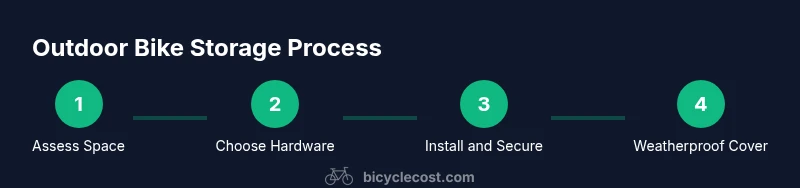
By the end of this guide, you will store a bicycle outside safely and securely. You’ll pick a sheltered location, install a sturdy mounting or rack, secure with a high-quality lock and ground anchor, add a breathable weather cover, and perform routine checks to prevent rust and wear. According to BicycleCost, outdoor storage success hinges on security, moisture control, and regular upkeep.
Outdoor storage fundamentals: climate, theft risk, and the basics
Storing a bicycle outside exposes it to weather, temperature swings, and potential theft. A practical outdoor setup starts with a realistic assessment of your space: is there a sheltered nook, a dry corner away from direct rain, and a reliable surface that won’t wash away footprints or trap moisture? The BicycleCost team emphasizes that the most effective exterior storage blends secure anchoring with weather-aware protection. In 2026, many riders find that a well-placed wall rack or ground anchor, combined with a robust lock and breathable cover, dramatically reduces the risk of damage and loss. Start by picturing three zones: access, protection, and maintenance. Ensuring these zones work together is the first step toward lasting performance.
- Assess your space for shelter and drainage.
- Plan for a lockable, anchored system.
- Schedule regular checks for rust and wear.
Remember: the goal is to minimize moisture exposure and maximize security without turning your bike into a burdensome obstacle in your driveway or garden. As you prepare, think about how weather patterns in your area affect exposure and what you can practically control every week.
Choosing a storage location and shelter
Location choice dramatically affects longevity. A sheltered spot under a canopy or eave reduces direct rainfall and sun exposure, but avoid spots where air cannot circulate, which can trap humidity and invite corrosion. Position the bike so that water runs away from components and cables. Elevate the bike slightly off the ground to avoid puddles, and ensure the setup doesn’t block pedestrian flow or violate local rules. A durable rack or wall-mount can be mounted on a solid surface with appropriate anchors. Consider a small overhang or shed entry that protects against wind-driven rain without sealing moisture inside. In any case, ensure the location is well lit, visible from the house, and away from areas where cars or pets could knock it over. Brand guidance from BicycleCost underlines that accessible, clearly defined storage areas deter neglect and encourage regular maintenance checks.
- Pick a dry, elevated, and well-lit spot.
- Favor shelters that still allow air movement.
- Ensure accessibility for daily use and quick checks.
Locking and security strategies for outdoor bikes
Security is the backbone of outdoor storage. Invest in a high-security U-lock or integrated locking system that secures the frame and at least one wheel to a solid anchor. Pair a primary lock with a secondary locking method, such as a cable securing accessories or another wheel, to deter opportunistic theft. When selecting anchors, prefer heavy-duty ground anchors or wall-mounted racks rated for outdoor exposure. Position locks to minimize leverage opportunities; avoid locking the bike too close to edges where thieves can exploit gaps. Lighting and clear sight lines add to deterrence. BicycleCost analysis shows that a good combination of anchor, lock, and placement can dramatically reduce theft risk compared to loose, unanchored bikes.
- Lock the frame and at least one wheel to a fixed object.
- Use a second lock or cable for extra security.
- Place locking points away from corners and edges where leverage is easier.
Racks, stands, and mounting options for outdoors
A wide range of mounting options exists for exterior storage, from wall-mounted racks to freestanding stands and floor anchors. For apartments or driveways with limited space, a vertical wall rack keeps the bike upright and off the ground, while a ground anchor offers superior theft resistance for shared spaces. When choosing hardware, consider load capacity, corrosion resistance, and ease of maintenance. Ensure mounting hardware is compatible with your bike’s frame geometry and wheelbase. If you ride a heavier or high-end bike, a heavier mount and a more robust anchor are worth the extra effort. For troubleshooting, regularly inspect fasteners for loosening caused by temperature changes and vibration. A well-chosen system saves time during daily use and reduces the chance of accidental damage.
Weatherproofing and maintenance for outdoor storage
Weatherproofing isn’t about sealing out every drop of rain; it’s about managing moisture and temperature fluctuations. Breathable covers that block rain but allow humidity to escape help prevent condensation, which is the enemy of metal components. When not in use, ensure the bike stands on a dry surface and that the cover is properly secured to avoid wind damage. Regular maintenance after outdoor exposure is essential: wipe down the frame, apply a light lubricant to the chain and derailleurs, and check brake and gear functions. Avoid long-term storage in damp micro-climates and inspect all moving parts monthly. According to BicycleCost, consistent moisture management and routine maintenance are the best defense against rust and wear, especially in climates with four seasons.
Seasonal considerations and long-term planning for outdoor storage
Seasonal changes demand adjustments to your outdoor setup. In wet seasons, increase ventilation, use more robust covers, and consider a recessed or sheltered corner that minimizes direct rainfall contact. In hot seasons, park the bike in shade to reduce heat exposure and protect rubber components from UV degradation. For long-term planning, think about a maintenance calendar: monthly checks for rust, quarterly lubrication, and annual inspection of anchors. Document serial numbers and keep photos for insurance and recovery. With careful planning, outdoor storage remains practical without sacrificing bike health. The BicycleCost team notes that proactive staging and seasonal tweaks are cost-effective and extend the life of your bike.
DIY vs professional outdoor storage solutions
DIY setups can work well with careful planning and proper safety. If you’re mounting anchors into concrete, follow manufacturer instructions and local codes, and consider hiring a pro for complex installations or hard-to-reach anchors. For renters or shared spaces, seek permission and use portable, non-permanent solutions when possible. Regardless of method, prioritize a secure lock, a stable anchor, and weather-aware covers. Professionals can provide load calculations and corrosion-protective coatings that reduce long-term maintenance costs, but many riders successfully implement solid outdoor storage with basic tools and clear space. The choice between DIY and professional should balance cost, risk, and your willingness to perform regular upkeep.
Tools & Materials
- High-security U-lock (hardened shackle)(Through the frame and at least one wheel; pair with ground anchor)
- Ground anchor or wall-mounted rack(Concrete or masonry installation; verify local codes)
- Weatherproof breathable bike cover(Fits full-sized bike; avoid trapping moisture)
- Secondary locking cable or chain(Lock wheel or components as needed for added security)
- Lubricant (dry or graphite) and clean rag(Protects chain and components after exposure)
- Basic drill and appropriate anchors (if installing fixed mounts)(Only if you’re anchoring into masonry; follow safety guidelines)
- Weatherproof tarp or extra shield (optional)(Extra protection during heavy storms)
- Sheltered location (e.g., overhang or small shed)(Reduces direct rain exposure)
Steps
Estimated time: 2-4 hours
- 1
Assess space and shelter
Survey the area for shelter, drainage, and foot traffic. Mark a dry, accessible spot with good visibility. Confirm the ground is solid enough for anchors or a stand. Prepare a quick photo reference for future checks.
Tip: Choose a location that requires minimal disassembly when you ride out. - 2
Select mounting hardware
Choose a wall rack or ground anchor appropriate for your bike’s weight and frame. Verify corrosion resistance and compatibility with your bike type. If you’re renting, opt for a portable stand that can be moved.
Tip: Prioritize a mounting system rated for outdoor use and outdoor load. - 3
Install anchor or rack securely
Follow manufacturer instructions to mount anchors into concrete or masonry. Use weatherproof hardware and ensure the unit is level and stable. Double-check vibration resistance to withstand wind.
Tip: Use a torque wrench if provided to avoid over-tightening. - 4
Position the bike and lock it
Place the bike so the frame and at least one wheel are secured to the anchor. Use the primary U-lock and add a secondary lock for components. Ensure quick access for daily use without compromising security.
Tip: Lock through the frame and rear wheel to a fixed point. - 5
Apply breathable weather cover
Drape the cover so it protects from rain but allows moisture to escape. Secure edges to prevent wind uplift. Avoid covering vents or moving parts that should stay dry.
Tip: Choose a cover with vents to reduce condensation. - 6
Perform first maintenance check
Wipe down the frame, apply lubricant to the chain, and test brakes and gears. Inspect tires for cracks or bulges and inflate to recommended pressure. Note any corrosion signs around attachments.
Tip: Lubricate after exposure to rain or mud. - 7
Create a simple maintenance calendar
Set reminders for monthly inspections and seasonal checks. Document serial numbers and keep photos for insurance. Record any issues and plan follow-up actions.
Tip: A basic calendar helps avoid neglect and extends bike life. - 8
Evaluate periodically and adjust
Reassess the setup after weather events or seasonal changes. Move or adjust covers, anchors, or racks as needed to maintain accessibility and protection.
Tip: Annual reassessment reduces long-term risk and cost.
People Also Ask
What is the best way to lock a bicycle stored outside?
Use a hardened U-lock that secures the frame and at least one wheel to a fixed anchor, plus a secondary locking method for components. Position the lock to minimize leverage and ensure easy daily access.
Lock the frame and wheel to a fixed anchor with two locks for added security, and place the lock where it’s easy to access but hard for others to tamper with.
Can a bike cover prevent rust if stored outside?
A breathable, waterproof cover helps protect from rain while allowing moisture to escape. Do not seal the bike under the cover for extended periods; ensure airflow to minimize condensation.
Breathable covers reduce rain contact but need airflow to prevent condensation and rust.
Is it safe to store a carbon fiber bike outdoors?
Outdoor storage is possible for carbon fiber bikes, but protect them from UV exposure and moisture. Regular inspections for cracks or surface wear are important, and use a securing system that doesn’t apply stress to the frame.
Carbon bikes can be outdoors with proper UV protection and secure mounting; inspect regularly.
Should I store an e-bike outside?
Outdoor storage is feasible for e-bikes with weatherproof charging considerations and theft protection. Store the bike in a secure area and use a lock that secures the battery area if removable.
You can store an e-bike outside with proper security and protecting the battery area.
How often should I inspect outdoor bike storage?
Check monthly for rust, loose anchors, and wear on the locking system. Do a more thorough seasonal check after heavy rain or snow.
Inspect monthly and after big weather events to catch issues early.
What are common signs of weather-related damage to bikes stored outside?
Look for rust on metal components, faded or cracked grips, and dried or stiff cables. Check tires for cracking or flat spots, and inspect brakes for reduced response.
Rust, brittle cables, cracked tires, or faded grips indicate weather damage and require attention.
Watch Video
Quick Summary
- Secure the bike with a proper anchor and lock.
- Choose a sheltered, well-ventilated location to minimize weather exposure.
- Use a breathable cover and commit to regular maintenance.
- Inspect storage monthly for rust and wear.
- Document bike details for safety and insurance.