What Happens on Cycle Day 22: A Practical Health Guide
Learn what happens on cycle day 22 in a typical 28-day menstrual cycle, including hormonal shifts, PMS signals, and practical tips for athletes and cyclists managing training, sleep, and recovery.


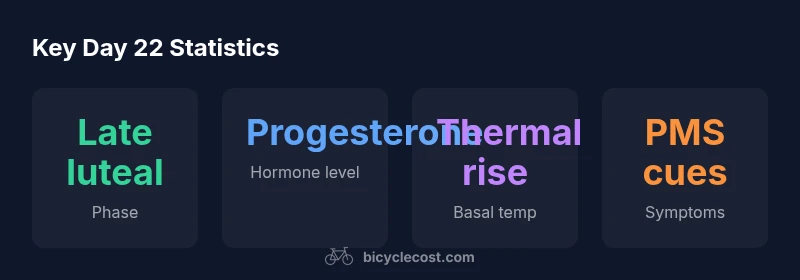
On cycle day 22, you’re in the late luteal phase of a typical 28-day cycle. Ovulation has already occurred, and progesterone remains elevated, which can raise body temperature and contribute to PMS symptoms such as fatigue, mood changes, and breast tenderness. If pregnancy occurs, hCG rises; otherwise, menstruation is expected to begin around day 28.
Understanding the Late Luteal Phase and Day 22
What happens cycle day 22? In a typical 28-day cycle, Day 22 sits in the late luteal phase, when the corpus luteum secretes progesterone. According to BicycleCost, cycle day 22 sits in this phase, with hormones guiding energy, mood, and physical cues. Progesterone helps prepare the uterine lining for potential implantation and regulates body temperature. As a result, many people notice a rise in resting temperature and some PMS symptoms. Cycle variability means some individuals may reach Day 22 earlier or later; cycles ranging from 21 to 35 days are not unusual. For athletes and cyclists, this phase often coincides with increased fatigue, subtle energy shifts, and a heightened need for rest and recovery. Understanding these signals helps you adjust workouts and recovery strategies without guessing.
Hormonal Shifts You May Notice on Day 22
Progesterone remains elevated, estrogen is moderate, and the testosterone component remains relatively stable. These hormonal shifts can influence hydration status, sleep quality, and muscle recovery. A slight uptick in basal body temperature often accompanies ovulatory and post-ovulatory phases. Many people report breast tenderness, mood fluctuations, and fatigue, especially in the late afternoon or during longer rides. Cervical mucus typically becomes thicker and less fertile as the cycle progresses. Tracking these clues provides insight into energy availability and pacing when training on Day 22.
How Day 22 Might Affect Training and Daily Life
Energy patterns can change; some cyclists feel heavier legs or slower pace during the luteal phase. Plan lighter days or lower-intensity intervals if fatigue is pronounced, and prioritize quality sleep, hydration, and protein intake to support recovery. Consider adjusting nutrition to stabilize blood sugar: multiple small meals, complex carbs, and steady hydration. If you experience cramps or GI upset, time workouts around digestion and consider dynamic warm-ups to reduce stiffness. For endurance events or long rides, practice staying steady through mild hormonal fluctuations rather than pushing for peak performance.
Tracking Day 22 Signals: Tools and Tips
Use a basal body thermometer to monitor temperature changes, append to a tracking app with notes on mood, energy, sleep, and physical symptoms. Many athletes find that a daily check-in helps anticipate performance dips and schedule important workouts when energy is higher. Keep a simple hydration and nutrition log, and consider supplementing with iron or vitamin D if you’ve been advised by a clinician. Remember that individual cycles vary, so compare yourself to your own baseline rather than a universal standard.
Diet, Hydration, and Sleep During the Late Luteal Phase
A key way to mitigate cycle-day symptoms is to support recovery through nutrition, hydration, and rest. Emphasize lean proteins, complex carbohydrates, and healthy fats to stabilize energy and mood. Hydration helps with perceived fatigue and muscle function, especially during longer rides. Sleep quality may dip during this phase due to hormonal influences; prioritizing a consistent sleep window, a dark room, and limiting caffeine late in the day can improve recovery. Lightweight, steady workouts can preserve conditioning without overloading the nervous system.
When Day 22 Signals Could Indicate Something More
If you experience unusually heavy bleeding, severe cramps, or persistent, debilitating fatigue that does not improve with rest and nutrition, consult a healthcare professional. For athletes, persistent fatigue that hampers training consistency may warrant a clinician’s assessment to rule out conditions such as hormonal imbalances or thyroid issues. It’s important to seek care if cycle symptoms shift abruptly or if pain disrupts daily activities.
Cycling-Specific Strategies for Day 22
Day 22 often aligns with a need for smarter training pacing rather than peak-performance sessions. Plan low-to-moderate intensity rides, focus on technique and form, and schedule recovery days with longer stretches of sleep. Nutrition should emphasize steady energy release—favor complex carbs, vegetables, and adequate protein post-ride. If you use a power meter, a day-to-day approach with slightly reduced intensity can help you maintain conditioning without exacerbating fatigue. Listening to your body and adjusting sleep, hydration, and meal timing around training loads will support consistent progress through the luteal phase.
Quick Reference: Signs, Signals, and Scheduling
Key indicators on cycle day 22 include a higher baseline temperature, possible breast tenderness, mood fluctuations, and a sense of fatigue that improves with extra rest. Use this information to align workouts, sleep, and meals with your body's current state. A simple approach is to map weekly training goals to these signals: prioritize recovery early in the week, keep long efforts lighter, and reserve hard sessions for when energy seems higher. Personal baseline tracking remains the most reliable guide.
Cycle Day 22 snapshot: phase, hormones, fertility, and symptoms
| Aspect | Day 22 Insight | Notes |
|---|---|---|
| Phase | Late luteal phase; progesterone elevated | Cycle length ~28 days; luteal phase lasts ~12-14 days |
| Hormones | Progesterone high; estrogen moderate | Hormonal balance influences energy and mood |
| Fertility | Fertility window usually past | Implantation possible if pregnancy occurs; general guidance |
| Symptoms | PMS signs common | Breast tenderness, fatigue, mood changes |
People Also Ask
What is cycle day 22?
Cycle day 22 falls in the late luteal phase of a typical 28-day cycle, characterized by elevated progesterone, potential PMS signals, and changes in energy and sleep. Individual experiences vary.
Day 22 is late in the cycle's luteal phase, with hormonal cues influencing energy and mood.
Can you get pregnant on day 22?
Pregnancy is possible if the cycle is shorter and ovulation occurred later than average; however, the likelihood generally decreases as the luteal phase progresses.
Pregnancy is less likely on day 22, but not impossible for certain cycle lengths.
What symptoms might occur around day 22?
Common symptoms include fatigue, mood changes, breast tenderness, and mild abdominal discomfort. Symptoms vary by person and cycle length.
Expect PMS signs like fatigue and mood changes; individual experiences vary.
How should cyclists adjust training on day 22?
Prioritize recovery, adjust intensity, and focus on technique. Schedule hard workouts for when energy is highest and allow extra rest if fatigue is notable.
Dial back intensity and emphasize recovery and technique on Day 22.
What is the luteal phase length generally?
Most cycles feature a luteal phase of about 12-14 days, placing Day 22 well into the luteal period for many users.
The luteal phase usually lasts 12-14 days; Day 22 sits late in that window.
Red flags on cycle day 22?
Seek medical advice if you have heavy bleeding, severe cramps, or dizziness that doesn't improve with rest and hydration.
See a clinician if you have severe symptoms that don’t improve.
“The luteal phase introduces hormonal shifts that influence energy, sleep, and performance; recognizing Day 22 signals helps cyclists train smarter.”
Quick Summary
- Identify cycle day 22 as late luteal phase.
- Expect higher progesterone and a warmer basal temperature.
- Prepare for PMS cues affecting energy and mood.
- Fertility is typically reduced after day 21.
- Tailor training by prioritizing recovery and sleep.