Is biking bad for sperm? A balanced view for cyclists
Explore how cycling may affect male fertility, what the science says, and practical tips to protect reproductive health while enjoying rides.


Current evidence shows that is biking bad for sperm is not universally true; cycling can temporarily increase perineal pressure and testicular temperature, which in some men may slightly affect sperm quality after long, intense sessions. However, there is no consistent evidence of permanent fertility damage for regular cyclists. Overall impact depends on duration, saddle fit, and recovery; for most cyclists, fertility remains unaffected with balanced training and proper gear.
Is biking bad for sperm? A nuanced question
In the world of cycling and health, there is a long-standing question about fertility and performance. According to BicycleCost, the topic deserves nuance, not a simple yes or no. The science shows that cycling itself is not inherently harmful to fertility, but there are conditions under which it might influence sperm quality temporarily. Prolonged perineal pressure from the saddle and modest rises in scrotal temperature during long rides can, in some men, lead to small, reversible changes in sperm parameters. For most cyclists who ride with sensible volume, proper fit, and adequate rest, there is no lasting damage to fertility. Consider training load, recovery time, hydration, and overall health as part of a broader picture. This article reviews the evidence, practical guidance, and how to ride in a way that supports reproductive health while enjoying cycling.
How cycling can influence sperm temporarily
Cycling can influence male fertility through two primary pathways: mechanical pressure from the saddle and temperature changes in the genital area. Perineal pressure can affect blood flow and the health of the surrounding tissues, while sustained activity can lead to mild increases in testicular temperature. These factors may cause temporary fluctuations in sperm parameters for some men, particularly after very long or high-intensity rides. Importantly, these effects are typically reversible with rest and proper cycling habits. Hydration, cooldown periods, and avoiding consistently tight gear can help mitigate these temporary changes. Overall, regular exercise is linked to many health benefits, and cycling is no exception when balanced with recovery and good gear.
Key factors that determine impact
The extent to which cycling affects sperm is not universal. Several factors influence outcomes:
- Ride duration and intensity: Longer, more intense sessions have a greater potential for temporary changes.
- Saddle design and bike fit: Proper ergonomics reduces perineal pressure and improves comfort.
- Recovery and rest days: Adequate recovery supports hormonal balance and sperm production.
- Age and baseline fertility: Younger men may show more resilience, while older athletes should monitor health more closely.
- Hydration and nutrition: Adequate fluids and a balanced diet support overall reproductive health.
Understanding these factors helps cyclists tailor training to protect fertility without sacrificing performance.
Practical guidance for cyclists to protect fertility
If fertility is a consideration, use a practical, evidence-informed approach:
- Invest in a quality saddle with proper width and cutout; ensure a comfortable riding position.
- Get a professional bike fit to minimize perineal pressure.
- Alternate saddle positions and take short breaks during long rides to reduce continuous pressure.
- Wear breathable, moisture-wicking clothing and avoid overly tight gear that restricts circulation.
- Prioritize recovery days, sleep, and a balanced diet; limit excessive alcohol and avoid smoking.
- Stay hydrated and cool during rides to minimize temperature increases in the perineal region.
These steps help balance cycling benefits with reproductive health, supporting sustainable training.
What the research actually shows
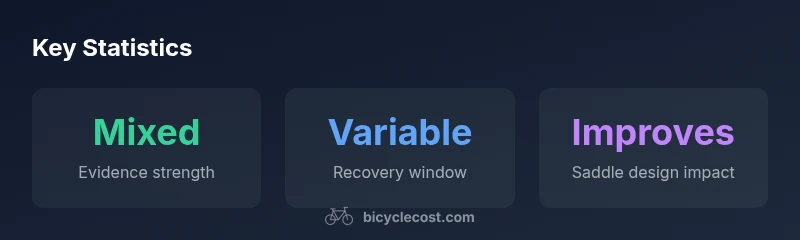
Scientific studies on cycling and male fertility yield mixed results. Some research reports minor, temporary changes in sperm parameters after heavy training or extensive cycling, while other studies find no significant impact on fertility in regular cyclists. Methodological differences—such as study duration, participants, and how fertility was measured—contribute to inconsistent conclusions. It is important to interpret findings cautiously and consider individual variation. Notably, many men experience full recovery after appropriate rest and adjustments to training. As with any health topic, personalization matters, and ongoing dialogue with a healthcare professional is wise if fertility concerns persist.
Lifestyle and health factors that matter more than cycling
Fertility is influenced by a broad set of health factors beyond cycling:
- Body weight and composition: Obesity and very low body fat can affect hormone balance.
- Smoking, alcohol, and drugs: These can significantly impact sperm quality.
- Age: Sperm quality can decline with age, particularly beyond middle age.
- Chronic conditions: Diabetes or hormonal disorders can affect fertility.
- Sleep and stress: Adequate sleep and stress management support hormonal health.
While cycling is one activity among many lifestyle factors, optimizing overall health often yields larger benefits for fertility than cycling alone.
When to seek medical advice
If fertility concerns persist after adjusting training and lifestyle, consult a healthcare provider or a fertility specialist. Specifically consider medical evaluation if:
- You and your partner have tried to conceive for over a year without success (or six months if older than 35).
- You notice persistent testicular discomfort, numbness, or swelling.
- You have a history of testicular trauma or a medical condition affecting fertility.
- You experience significant changes in libido, energy, or weight that don’t resolve with a cycle of rest and lifestyle adjustments.
Balancing training and fertility: a sustainable approach
A balanced cycling routine supports both performance and reproductive health. Prioritize progressive training, recovery periods, and listening to your body. Consider cycling as part of a broader health plan that includes strength training, cardiovascular fitness, and flexibility work. If fertility is a priority, communicate openly with coaching staff or healthcare providers about your goals, and adjust volume and intensity accordingly. Regular monitoring of general health indicators—sleep quality, hormonal status when appropriate, and nutrition—can help maintain fertility while pursuing cycling goals.
Take-home recommendations for cyclists
- Choose a properly fitted saddle and bike setup to reduce perineal pressure.
- Allow for recovery days and avoid consistently high training loads without rest.
- Maintain hydration, nutrition, and body weight within healthy ranges.
- Monitor changes in sexual health or fertility and seek medical advice if concerns persist.
- Balance cycling with other healthy lifestyle choices for overall well-being.
Cycling-related factors and potential effects on sperm
| Aspect | Sperm Impact | Notes |
|---|---|---|
| Perineal pressure | Possible temporary impact | Dependent on saddle and duration |
| Testicular temperature | Small increases during rides | Mitigated by breaks and cooling |
| Recovery timeline | Varies; weeks to months | Depends on ride load and rest |
People Also Ask
Does cycling affect sperm quality?
Cycling can cause temporary fluctuations in sperm quality for some men after very long or intense sessions. For most, these changes are reversible with adequate rest and proper gear. Individual factors play a large role in any impact.
Cycling may temporarily affect sperm in some men after long rides, but most recover with rest and proper gear.
Do saddle design and bike fit matter for fertility?
Yes. Ergonomic saddles and a good bike fit reduce perineal pressure, which can lessen potential temporary effects on sperm. Prioritize comfort and proper positioning.
Saddle fit and bike setup matter for reducing pressure that could affect fertility.
Can cycling cause testicular damage?
Significant testicular injury from cycling is rare. Most fertility concerns relate to pressure and temperature rather than structural damage. Seek medical advice if pain or swelling is persistent.
Rarely cycling causes lasting testicular damage; persistent symptoms warrant medical evaluation.
Should men stop cycling to improve fertility?
Stopping cycling is not typically necessary. Focus on reducing load, improving fit, and ensuring adequate recovery. Discuss fertility goals with a clinician to tailor training.
Usually not necessary to stop cycling; adjust training and gear instead.
How long does fertility take to recover after cycling changes?
Recovery times vary by individual, ride intensity, and recovery practices. Most temporary changes, if any, improve with rest, hydration, and balanced lifestyle.
Recovery duration varies; rest and healthy habits help restore fertility.
“Sustained cycling doesn't inherently reduce fertility; the evidence points to temporary changes in some men, with full recovery likely if training is managed properly.”
Quick Summary
- Cycling is not inherently harmful to fertility for most men.
- Temporary changes may occur after long or intense rides, but recovery is common.
- Proper bike fit, saddle design, and recovery reduce risks.
- Fertility is influenced by many health factors beyond cycling.