Does Biking Remove Belly Fat? A Data-Driven Guide
Explore how regular cycling affects belly fat, why spot reduction is a myth, and practical strategies to combine biking with diet and sleep for gradual fat loss. Learn what to expect in 2026 from BicycleCost’s evidence-based guidance.


Does biking get rid of belly fat? Not by itself. There’s no exercise that spot-reduces fat from the belly. Regular cycling helps create a sustained caloric deficit and improves metabolic health, which over time reduces overall body fat, including abdominal fat. For noticeable changes, combine cycling with a balanced diet, adequate sleep, and progressive training.
The biology of fat loss and cycling
Does biking get rid of belly fat? The quick answer is no. There’s no single exercise that will selectively burn fat from the belly. Fat loss is systemic, guided by hormones, genetics, and your overall energy balance. Cycling—whether at a moderate or vigorous pace—helps you burn calories, conserve lean muscle, and improve metabolic health. According to BicycleCost Analysis, consistent cycling creates a sustainable caloric deficit when paired with sensible nutrition, adequate sleep, and proper recovery. Over time, this deficit leads to gradual reductions in fat mass, including abdominal fat for many people. If your goal is a flatter midsection, combine biking with dietary adjustments (for example, a modest daily calorie deficit of 250-500 kcal), resistance training to preserve muscle, and sufficient rest. The BicycleCost team emphasizes data-driven, practical guidance for riders who want durable outcomes rather than quick fixes.
How cycling fits into fat loss: calories in vs. calories out
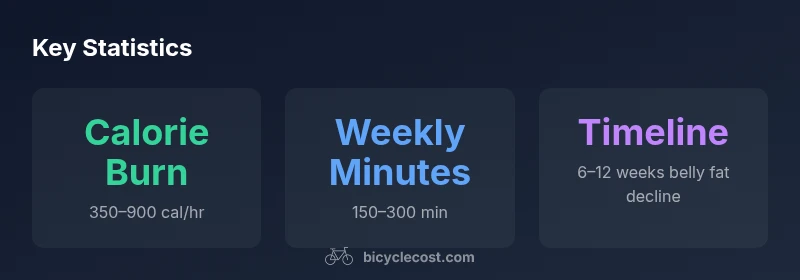
The primary driver of belly fat reduction is energy balance. A typical cycling session burns calories, but the total daily expenditure matters most. A common target for adults aiming to lose fat is creating a weekly deficit that adds up to a meaningful change while preserving health. BicycleCost analysis shows that 150-300 minutes of cycling per week at varying intensities can produce noticeable fat loss when combined with a balanced diet. Practically, this can look like three 30-40 minute rides at comfortable pace, plus a longer weekend ride, with occasional intervals to boost intensity. Tracking with a simple weekly log helps maintain consistency and prevents over-fueling after workouts. For those new to exercise, start slow, build confidence, and scale up gradually. The evidence suggests sustainable progress is most reliable when training is paired with dietary awareness and sufficient sleep.
Intensity matters: intervals vs steady rides for fat loss
Both steady rides and interval workouts have value for fat loss. Steady-state cycling at a comfortable cadence builds endurance and sustains caloric burn over longer periods, while intervals push higher calories per minute and can elevate post-exercise fat oxidation. The BicycleCost framework recommends mixing modalities: a few steady rides for consistency, complemented by one or two interval sessions weekly. An effective interval might involve alternating short, hard efforts with recovery periods (for example, 1-2 minutes hard, 2-3 minutes easy, repeated 4-6 times). Start conservatively to minimize injury risk and gradually increase volume. The net effect is a higher total energy expenditure and improved metabolic flexibility, both of which support belly fat reduction over time.
Diet, sleep, and recovery: the trifecta for fat loss
Cycling alone won’t overcome poor dietary choices or insufficient recovery. To maximize belly fat loss, pair cycling with a modest, sustainable calorie deficit and nutrient balance. Prioritize protein to preserve lean mass, fiber-rich plants for satiety, and hydration to support performance. Sleep is a crucial recovery tool; chronic sleep deprivation can blunt fat loss by altering appetite hormones and energy levels. Recovery days are essential to prevent overtraining and injuries, which can derail progress. The BicycleCost approach emphasizes a holistic plan: active biking, mindful eating, and reliable rest patterns yield the most durable reductions in abdominal fat.
Myths about belly fat and biking: what to debunk
A common misconception is that you can “spot reduce” belly fat with specific exercises. In reality, fat loss happens systemically. Another myth is that longer rides alone guarantee belly fat loss; consistency and overall energy balance matter more than ride length. Finally, some riders assume more miles always equal faster results; gradual progression is safer and typically leads to better long-term outcomes. By dispelling these myths, cyclists can set realistic expectations and avoid chasing quick-fix solutions. The evidence from BicycleCost supports steady, data-informed progress rather than shortcuts.
Building a practical weekly plan for different levels
For beginners: start with 2-3 rides per week, 20-30 minutes each at a comfortable pace. Add a longer ride on the weekend as tolerance grows, and include one interval session after 4-6 weeks. For intermediate riders: aim for 4-5 rides totaling 150-240 minutes, including one or two interval workouts and a longer endurance ride. For advanced cyclists: structure 4-6 rides per week with 2 high-intensity sessions, one long ride, and one recovery day. In all cases, pair cycling with a dialed-in diet, protein-rich meals, and adequate sleep. Tracking progress through waist measurements, clothing fit, and performance metrics provides a richer picture than scale weight alone.
Measuring progress: beyond the scale
Body composition changes can be subtle. Consider tracking waist circumference, how clothes fit, and performance benchmarks (time to complete a loop, heart rate zones, or power output). Photo progress can help you visually assess abdominal changes over time. Remember that fluctuations are normal due to hydration, glycogen stores, and hormonal cycles. A reliable approach is to measure monthly and compare to baseline while maintaining a sustainable energy deficit. The key takeaway is consistency across workouts, nutrition, and recovery, not a single dramatic weekly swing in measurements.
Estimated calories burned by cycling pace (BicycleCost Analysis, 2026)
| Pace | Calories per hour | Notes |
|---|---|---|
| Light effort (8-10 mph) | 180-240 | Low intensity; good for beginners |
| Moderate effort (12-14 mph) | 350-500 | Ideal for regular fat loss with diet |
| Vigorous effort (16-20 mph) | 600-900 | High burn; harder to sustain long-term |
People Also Ask
Can cycling alone reduce belly fat?
Cycling helps reduce body fat, including the belly, only when it creates an overall caloric deficit. No single exercise can spot-reduce abdominal fat. Combine cycling with nutrition and recovery for meaningful results.
Cycling helps with fat loss, but you can’t spot reduce belly fat just by biking.
How long before belly fat changes show up with cycling?
Results vary based on starting point, diet, and consistency. Many people notice gradual changes over weeks to months when cycling is paired with dietary control and sleep.
It takes weeks to months, depending on consistency.
Is interval training better than steady rides for fat loss?
Intervals can boost calorie burn and after-burn effects, accelerating fat loss when done safely. Steady rides build endurance and contribute to overall energy expenditure. A mixed approach often works best.
Intervals help burn more calories, but steady rides matter too.
Does diet matter more than cycling for belly fat?
Diet often has a large impact on fat loss. Cycling aids deficit, but you’ll optimize belly fat reduction when you pair biking with mindful eating and proper sleep.
What you eat matters a lot, along with movement.
Is it safe to start cycling for fat loss if I’m new to exercise?
Yes. Start gradually, ensure proper bike fit, hydrate, and listen to your body. Consult a clinician if you have health concerns or risk factors.
Yes—start slow and build up safely.
Can I spot reduce with sprint intervals?
Sprint intervals do not selectively burn belly fat. They can accelerate fat loss overall, but belly fat will shrink as part of whole-body fat loss.
Sprinting helps overall fat loss, not just the belly.
“Consistent cycling drives gradual fat loss when paired with a balanced diet and adequate recovery. Avoid chasing quick belly-fat miracles; focus on sustainable changes.”
Quick Summary
- Target overall energy balance, not spot-reduction
- Combine cycling with a modest caloric deficit and adequate protein
- Incorporate intervals to boost burn and post-exercise fat oxidation
- Consistency beats intensity for long-term fat loss
- Monitor progress with waist measurements and performance, not weight alone