Finding an e bicycle near me: A practical 2026 guide
Find an e bicycle near me with a data-driven guide. Compare nearby shops, sizing, safety, and maintenance to ride smarter and access local support in 2026.


Step 1: Start with nearby bike shops and reputable dealer networks that offer in-store demos, service, and battery support. Step 2: Check for local clubs or rental fleets that allow supervised test rides and short trips. Step 3: Compare models based on fit, weight, and range, then schedule a test ride. Step 4: Verify after-sales service before purchase to ensure long-term reliability.
Finding an e bicycle near me: why proximity matters
Proximity to where you ride and service your bike matters for convenience, cost, and long-term reliability. When you search for an e bicycle near me, you’re not just locating a bike; you’re locating a network of support—test rides, fitting, battery swaps, and routine maintenance. According to BicycleCost, local access to demonstrations and service options correlates with higher rider satisfaction, especially for beginners who need hands-on guidance and quick troubleshooting. In practice, nearby shops can offer tailored fittings for your height, posture, and riding style, and they can help you choose a model that matches typical terrain in your area. The goal is to find a nearby partner you trust, not just a bargain on paper.
Local search strategies: shops, rentals, and communities
Begin with a mapped search of nearby bike shops that stock multiple e-bike models. Look for shops that offer in-store demos or test rides, because hands-on evaluation is the best way to compare geometry, weight, and pedal-assist levels. Don’t overlook bike libraries, rental fleets, and community clubs that run short rides on weekends—these provide no-pressure opportunities to try different brands. Use online retailer pages to verify what is physically in stock near you, and call ahead to confirm test-ride policies, loaner helmets, and battery swap options. A practical approach is to shortlist three to five local sources and compare them across inventory, service responsiveness, and proximity to your home or commute route.
Sizing and fit: choosing the right model for your height and riding style
Bike size matters for comfort and efficiency, especially on an e-bike where extended riding sessions can amplify poor fit. Determine your inseam for leg extension, then translate that into frame size recommendations from manufacturers. Account for reach, saddle height, and standover clearance, as these impact knee angle, hip rotation, and back posture. For shorter riders or those new to cycling, consider step-through frames or smaller wheel options that reduce mounting effort. The tag “bike-size” can guide shoppers, but always test-ride to confirm fit under real-world conditions like traffic, hills, and city surfaces.
Battery life, charging, and climate considerations
Battery performance is a major practical concern for riders seeking nearby e-bikes. Range is affected by rider weight, terrain, wind, assist level, and temperature. In cooler climates, reduction in range is common, so plan extra charging opportunities at home or work. Check the charger type and availability of spare batteries through the local shop, and ask about battery health checks during routine maintenance. Understanding charging time helps you plan daily usage—most bikes support charging from 0 to full in a few hours, but this varies by model and battery capacity.
Safety, laws, and rider responsibilities in urban settings
Every region has rules governing e-bikes, including speed classes, helmet requirements, and where electric cycles may ride. In general, pedal-assist e-bikes with controlled speeds are designed for urban commuting and multi-use paths, but local rules can differ. Ensure you understand which class of e-bike you are purchasing and whether the shop can provide class-specific safety instructions. A robust safety posture includes a certified helmet, front and rear lights, reflective gear, and a reliable braking system. Proactively learn your city’s bike-lane rules and keep your bike in compliant condition to minimize risk.
Test rides: getting the most out of in-person evaluations
A successful test ride reveals fit, comfort, responsiveness, and confidence in the bike’s handling. Focus on the following cues during a test: (1) pedal-assist ramping and torque on hills, (2) braking efficiency with different dynamics (city stop-and-go vs. downhill), (3) vibration and seat comfort at typical speeds, and (4) ease of mounting/dismounting. Bring the same gear you intend to wear daily (helmet, gloves, light jacket) to simulate real conditions. If the shop offers multiple models, plan a short route to compare geometry and weight distribution to your daily riding needs.
Maintenance, service, and local support expectations
Local service quality is a cornerstone of a great e-bike experience. Ask shops about their routine maintenance packages, warranty coverage, and how they handle battery service or recalls. Inquire whether the shop offers lifetime diagnostic checks, free annual tune-ups, or priority service for loyal customers. A trustworthy shop will provide transparent pricing, clear service timelines, and a loaner-bike program if you need mobility while your bike is in for service. Establishing a local support plan reduces downtime and ensures you stay riding.
Financing, warranties, and budget planning for nearby e-bikes
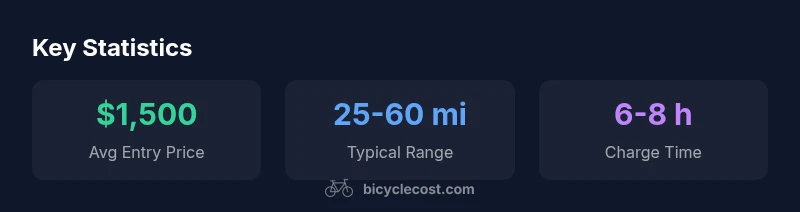
Price bands for e-bikes vary widely by motor type, battery capacity, and component quality. Expect entry-level models to start around $1,000–$2,000, midsized models to $2,000–$3,500, and higher-end options beyond $3,500. When evaluating nearby options, compare warranty length, what it covers (battery, motor, frame), and whether the shop offers maintenance-inclusive plans. Financing can make larger purchases more manageable; ask about monthly payments, APR, and any promotional offers. A local shop that stands behind its inventory often provides more flexible financing and easier warranty claims than remote sellers.
Practical tips for your first visit to a shop: what to bring and ask
Bring a list of must-have features (range, class, weight), a copy of your commute profile, and any fit notes from prior rides. Prepare questions about battery health, charger compatibility, and service turnaround times. During your visit, request a brief test-ride under city-style conditions and ask if the shop can tailor the bike to your height and riding style. Finally, verify that the shop has a clear return policy or a trial period in case the bike doesn’t meet your expectations.
Action plan: turning research into a first purchase decision
Create a simple 4-step plan: (1) Map local options and inventory, (2) Schedule at least two test rides, (3) Compare after-sales service and warranties, (4) Make a final shortlist and negotiate price or financing. Document your test-ride impressions in a short checklist and share it with the shop to refine the model fit. By building a local network, you ensure reliable support and faster access to parts and service when you need them.
Common e-bike category ranges
| Model Type | Typical Range (miles) | Charge Time (hours) | Battery Type |
|---|---|---|---|
| Urban commuter | 25-40 | 3-5 | Lithium-ion |
| Trail-capable | 40-60 | 4-6 | Lithium-ion |
| Long-range touring | 60-90 | 5-7 | Lithium-ion |
People Also Ask
What does 'e bicycle near me' typically include for local riders?
Locally, it means nearby shops or clubs offering in-person demos, test rides, and quick-access service. It also includes places with battery support and spare parts within a convenient radius for regular maintenance.
Locally, you’ll find shops with demos, test rides, and nearby service to keep you riding smoothly.
How can I verify if a shop has test rides available?
Call ahead or check the shop’s online inventory page for test-ride policies. Some shops require a quick safety briefing or a helmet loan; others offer walk-in demos.
Call ahead or check online for test-ride policies and safety requirements.
Are e-bikes allowed on public transit in most cities?
Transit policies vary by city and transit agency. Some systems permit folded or compact e-bikes during certain hours, while others restrict power-assisted operation. Check local rules before planning multi-modal trips.
Transit rules differ by city; check your area’s guidelines before riding with an e-bike.
What factors should I consider when sizing an e-bike?
Key factors include frame size, reach, saddle height, standover clearance, and overall weight. Test rides are essential to confirm comfort, especially on longer commutes or rough surfaces.
Size, reach, and comfort matter most—test ride to confirm.
How often should I service my e-bike after purchase?
Most shops recommend a basic tune-up at least once a year, with more frequent checks for heavy use, frequent hills, or cold climates. Ask your local shop for a tailored maintenance rhythm.
Annual tune-ups are common, with more frequent checks if you ride a lot.
What should I ask a local shop before buying?
Ask about warranty coverage, battery health checks, test-ride options, spare parts availability, and any maintenance packages. A transparent shop will provide written estimates and clear timelines.
Ask about warranty, test rides, and maintenance plans before buying.
“Electric bikes unlock new possibilities for daily mobility, but the right local partner makes all the difference in safety, fit, and ongoing support.”
Quick Summary
- Prioritize nearby shops for test rides and service
- Fit and comfort drive long-term satisfaction
- Verify battery health and service options locally
- Compare warranties and maintenance plans before buying