Used Bicycle for Sale Near Me: A Practical Buying Guide
Find, inspect, and buy a reliable used bicycle near you. This BicycleCost guide covers pricing, sizing, safety checks, and how to navigate local markets with confidence.


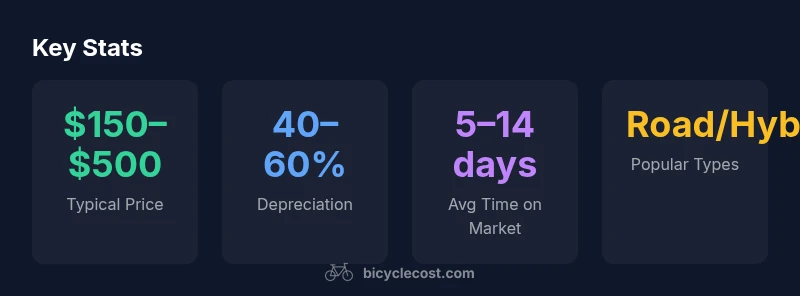
Used bicycle for sale near me can be found through local marketplaces, bike shops' used sections, and community cycling groups. Typical price ranges vary by age, condition, and brand, but you can expect roughly $100–$800 for most commuter or entry-level road bikes, with higher-end models fetching more. Always inspect components, verify safety, and test ride before purchasing.
How the local market behaves for used bicycles
When you search for a "used bicycle for sale near me", you're tapping into a vibrant local ecosystem. The BicycleCost team found that supply tends to cluster around seasonal peaks (spring and early summer) and near urban centers with active cycling communities. Community groups, neighborhood apps, and city bike shops often become reliable sources for fair deals, but prices can swing based on urgency, proximity, and perceived value. Local knowledge matters: a bike that’s common in one neighborhood may command a higher price elsewhere due to demand, condition, and accessory packages. Consumers should monitor multiple channels to triangulate a reasonable price and avoid overpaying. According to BicycleCost, building a shortlist of 4–6 candidates in diverse channels increases your odds of a solid buy without rushing the decision.
The goal is to balance price with safety and reliability. The BicycleCost team found that buyers who establish a clear inspection protocol and test ride plan tend to save money in the long run by avoiding early mechanical failures and costly tune-ups. A thorough approach reduces the risk of frames with hidden damage, worn components, or counterfeit parts surfacing after the sale. Local markets reward preparation and patience; the best deals often come from sellers who have done regular maintenance and can show service history.
Where to look for "used bicycle for sale near me" and how to verify legitimacy
Start with reputable, low-risk sources first. Local bike shops often stock used bikes with some form of warranty or return policy, which adds a layer of protection not always available from private sellers. Community message boards and social media cycling groups can yield excellent finds but require careful vetting to avoid scams. When evaluating a listing, look for clear photos, a detailed maintenance history, and a recent tune-up note. Always meet in public, bring a friend if possible, and insist on a ride test. If a seller discourages a test ride or avoids meeting in person, treat it as a red flag. BicycleCost analysis, 2026, emphasizes verifying the seller’s identity and researching the bike’s frame serial number where possible. Keeping a log of conversations helps you compare offers more effectively.
How to quickly evaluate a bike's condition before buying
A fast initial check can save you from a bad purchase. Inspect the frame for cracks, dents, or rust at joints; look for re-welds or signs of repair. Listen for unusual creaks during a gentle twist or flex test; inspect the headset and bottom bracket for smooth rotation without grinding. Check the brakes for immediate response and even wear on brake pads; verify that shifting is crisp across the full range of gears. Examine tires for tread wear, sidewall cracks, and check wheel true by spin-testing. Don’t forget drivetrain wear: chain stretch, cassette wear, and chainring teeth should not show excessive hooking or skipping. A quick inspection combined with a short ride will reveal most red flags.
Pricing expectations and value indicators in 2026
Pricing for used bicycles reflects age, condition, brand, and included accessories. Most commuter or entry-level road bikes fall into a broad range, with a wide gap between bargain finds and well-maintained examples. A reasonable buyer should expect to negotiate; the starting price is rarely the final price and careful bargaining can yield a 5–15% discount, especially if you point out maintenance needs. High-demand models, rare frames, or bikes with upgraded components may command higher prices, but buyers should still verify condition rather than rely solely on brand or aesthetics. Use a transparent checklist during negotiation and reference local market data where possible. Based on BicycleCost research, 2026, local demand strongly influences sticker price, making price comparison across channels essential.
Sizing and fit: why it matters even in used bikes
Sizing is a critical determinant of comfort and efficiency. Frame size should align with your inseam measurement, reach, and torso length. A bike that’s too small or too large can cause knee or back pain, poor handling, and reduced control. For current and incoming riders, a standover height test and a quick sit test on a flat surface help verify the fit. If you’re between sizes, consider seeking a slightly smaller frame with a custom headset spacer arrangement or a longer seat post to adjust reach. Used bikes often need a minor component swap (like a shorter/longer seat post) to dial in the fit without breaking the bank. A proper fit improves safety and enjoyment, making it worth a measured investment of time in sizing.
Test rides: maximizing information during a ride
Plan a 15–20 minute ride that includes acceleration, braking, cornering, and rough-surface sections. Test the gears under load so you notice any misalignment or slipping. Check for responsive braking at multiple speeds and ensure the lever action feels firm, not spongy. Pay attention to wheel alignment, brake rub, and any unusual vibrations that persist after a brief warm-up. Bring a friend to observe handling and posture. If the bike feels good during the test ride and the price aligns with market data, it’s worth negotiating with confidence.
Shopping channels: shops vs. private sellers vs. online groups
Shops offer test rides, warranties, and post-purchase support, which can justify higher prices. Private sellers often price aggressively and can be more flexible on negotiations, but carry more risk of hidden issues. Online groups can widen your options but require caution against scams and misrepresentation. Regardless of channel, request service records, inspect the frame, test ride, and verify the bike’s origin. Keeping a price and condition ledger helps you compare offers reliably and avoid emotional decisions.
After purchase: basic maintenance and ownership basics
Once you own a used bicycle, a tune-up by a trusted shop is a wise investment to ensure safety and longevity. Priorities include checking the brakes, drivetrain lubrication, tire pressure, and wheel trueness. A basic maintenance plan—wipe-down after rides, regular chain lubrication, and periodic tension checks—extends the bike’s life and preserves resale value. Store the bike in a dry, ventilated area to prevent rust and corrosion. Establish a simple maintenance calendar to track upcoming service needs and save on future repairs.
Red flags and scams to avoid
Beware of frame inconsistencies, mismatched serial numbers, or photos that look stock or heavily edited. Requests for payment through untraceable methods or pressure to close quickly are common scam tactics. If a deal sounds too good to be true, it likely is. Always verify seller identity, insist on a live demo ride, and refuse to wire funds before you physically inspect the bike. Trust your instincts and walk away if anything feels off.
Comparison of channels for finding a used bicycle near you
| Channel | What to Expect | Pros | Cons |
|---|---|---|---|
| Local marketplaces | Immediate access to inventory | Low prices; wide variety | Risk of misrepresentation; no warranty |
| Bike shops (used section) | Certified checks; trial rides | Warranty options; return policies | Higher prices; limited selection |
| Online groups/social networks | Large pool; easy messaging | Direct seller communication | Potential scams; inconsistent quality |
| Public classifieds / bulletin boards | Local reach; simple listings | Low-pressure negotiation | Inconsistent inventory; variable reliability |
People Also Ask
What is the typical price range for a used bicycle near me?
Prices vary by age, condition, and brand, but common commuter bikes usually fall within a broad range. Based on BicycleCost Analysis, 2026, expect roughly $100–$800 depending on quality and components. Always compare multiple listings and factor in maintenance needs.
Expect about a hundred to eight hundred dollars depending on age and condition. Check several listings to gauge the average in your area.
How can I verify the frame integrity of a used bike?
Look for cracks, dents, or weld repairs on the frame and fork. Spin the wheels to check for true, listen for creaks on a light bounce, and inspect any paint over marks that might hide damage. If in doubt, have a shop inspect before buying.
Check for cracks, dents, and welds; test ride to hear any creaks; and consider a professional inspection if something looks off.
Shop vs private seller: which is safer for a used bike?
Bike shops offer warranties and post-purchase support, while private sellers can offer lower prices but risks are higher. A balanced approach is to start with a shop for reliability and expand to private listings if needed, after a thorough checks.
Shops are safer with warranties; private sellers can be cheaper but riskier. Check carefully regardless of channel.
What should I inspect during a test ride?
Test ride for 15–20 minutes, focusing on braking, shifting, and frame comfort. Ensure no rubbing or grinding, and verify the saddle height and reach suit you. Bring a friend to observe handling.
Test ride for brakes, gears, and frame comfort; ensure the bike feels right before buying.
How do I size a used bike if I’m between sizes?
Aim for a frame size that gives a 1–2 cm clearance at the top tube when standing over the bike. If between sizes, a shorter stem or a taller seat post can adjust reach. Seek professional fitting if you’re unsure.
If between sizes, adjust with a different stem or seat post and test fit carefully.
How can I negotiate price without offending the seller?
Start with a respectful, data-driven offer grounded in market data and visible maintenance work needed. Explain any issues you found during inspection and propose a fair compromise. Be prepared to walk away.
Offer with respect and data; mention needed repairs and be ready to walk away if needed.
“Diligence and a clear checklist make the best used-bike deals. Focus on frame condition, drivetrain wear, and safety components.”
Quick Summary
- Know your size before shopping
- Inspect critical components early
- Budget for a tune-up after purchase
- Ask about maintenance history and ownership
- Test ride before finalizing the deal