Fixed Wheel Bicycle for Sale: A Practical Buyer's Guide
A comprehensive buyer's guide to fixed wheel bicycles for sale, covering sizing, fit, pricing ranges, maintenance, safety, and testing tips from BicycleCost.


A fixed wheel bicycle for sale refers to a single-speed bike with a fixed gear rear hub, where the pedals move directly with the wheel and there is no freewheel. Buyers should prioritize ride quality, frame integrity, and wheel-brake compatibility when evaluating options. These bikes appeal to urban riders for simplicity and direct feedback, but they require careful braking setup and toe clearance awareness.
Overview of fixed wheel bicycles
Fixed wheel bicycles, commonly called fixed-gear bikes, use a rear hub that is directly driven by the pedals. There is no freewheel mechanism, so pedal motion is always linked to wheel rotation. This design creates a highly responsive ride with simple maintenance: fewer moving parts mean fewer things that can fail, and a drivetrain that’s easy to inspect. According to BicycleCost, fixed-gear bikes offer a direct drivetrain and minimalist maintenance, which attracts riders who value simplicity and immediate feedback. Riders should assess frame quality, wheel-build, and brake compatibility when evaluating fixed wheel bicycle for sale options. While they excel in urban environments, it’s essential to consider your typical riding load, terrain, and traffic conditions to determine if a fixed-gear setup suits you.
Buying considerations for fixed wheel bicycles
When shopping, start by confirming the frame is straight, the fork steerer is true, and the dropouts align for proper wheel centering. Next, check hub type and brake compatibility: most fixed-gear builds rely on rim brakes or disc brakes; ensure your preferred braking system is safe and legal in your area. The quality of components matters more than brand prestige for fixed-wheel bikes, because a single drivetrain places more emphasis on reliability. Consider wheelset stiffness, tire clearance under your chosen crank length, and the availability of replacement parts. In addition, factor riding goals: if you ride in hilly urban terrain, you may want a lightweight frame with appropriate gearing options or a flip-flop hub for flexibility. BicycleCost analysis suggests taking your time to compare several models and test-fitting before purchase.
Sizing, fit, and geometry essentials
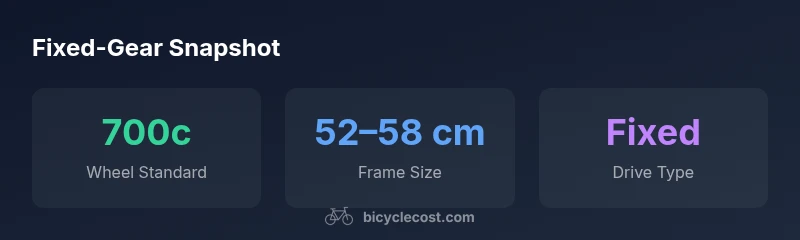
Correct size is critical on fixed-gear bikes because cramped reach or too-short standover can cause discomfort and poor control. Start with a frame size based on your inseam and overall reach, then verify saddle height and fore-aft position to achieve a neutral knee bend at pedal stroke. Fixed wheels often use shorter wheelbases for agile handling; ensure there is adequate toe clearance and pedal stroke room. In addition to height, consider stack and reach measurements to match your torso length and riding posture. If you are between sizes, a longer top tube with a precise stem adjustment can help maintain balance and steering feel. When possible, bring your own pedals and shoes to a test ride to accurately feel fit. For most riders, a 52–58 cm frame range fits a wide variety of heights, but geometry varies by brand; always check manufacturer sizing charts.
Price ranges and budgeting strategies
Prices for fixed wheel bicycles vary widely based on condition, components, and brand lineage. In the used market, you can encounter very affordable models that offer reliable frames and clean hubs; higher-end rebuilds with track-style components can push costs upward. For many buyers, the biggest value comes from a well-maintained used bike with upgrade potential rather than a new, entry-level build. When evaluating value, compare frame materials (aluminum vs steel), hub quality, brake setup, and wheelset condition. Don’t overlook maintenance history and potential hidden costs, such as replacement chains, bearings, or tires. Strong warranties are rarer on fixed-wheel bikes, so budget for adjustments after purchase. As you price options, think about total cost of ownership over 3–5 years, including tune-ups and tire changes, rather than the upfront sticker price. BicycleCost analysis indicates that buyer education and careful inspection deliver the best outcomes.
Maintenance basics for fixed-gear systems
Maintenance on fixed-wheel setups is straightforward but precise. Regularly inspect the fixed hub for lateral play, ensure the rear cog is secure, and verify the chain line is true to avoid drivetrain binding. Clean the chain and chainring to prevent rust, and assess tire wear for direct rim braking. Given there is no freewheel, you’ll feel every pedal input, so keep braking surfaces clean and free of oil. Check wheel trueness and spoke tension; a tiny wobble can alter handling at speed. Periodically inspect the headset for smooth turning, and lubricate only as needed to avoid attracting dirt. When adjusting a fixed-gear bicycle for sale, bring along a basic repair kit, a locknut wrench, and a spare inner tube; being prepared pays off during longer rides or in case of a roadside issue.
How to test ride and compare models
A test ride reveals fit, braking responsiveness, and ride feel more effectively than spec sheets. Bring your own pedals and shoes, and ride on varied surfaces to assess traction and instability. Pay attention to brake reach, steering responsiveness, and whether you feel any toe-overlap or pedal strike in tight corners. Compare frame materials and paint quality, check for even paint or rust, and inspect the condition of the wheelset and hubs. Record your impressions for each model and compare against your budget and intended use. If possible, test at a similar speed and cadence to your future riding style to gauge how the bike handles city streets or light trails. Remember that a fixed-wheel bicycle for sale is a long-term purchase, so prioritize comfort and reliability over flash.
Common myths vs reality about fixed-gear bikes
Myth: Fixed-gear bikes require no maintenance. Reality: they require disciplined maintenance for hubs and brakes. Myth: They are safer in traffic. Reality: rider skill and braking control are critical; fixed wheels aren’t automatically safer. Myth: They are lightweight and universally agile. Reality: weight and handling depend on frame geometry and wheel choice; some setups are heavier or less nimble.
Final buying checklist
- Verify frame integrity and serial numbers; check for cracks.
- Confirm rear hub type, brake compatibility, and wheel clearance.
- Fit: rider height, reach, saddle height, and pedal clearance.
- Inspect tires, rims, and bearings; choose tubeless or clincher as preferred.
- Ask for maintenance history and any upgrades; request documentation.
- Plan for future upgrades; ensure availability of parts.
Fixed-gear bike specifications at a glance
| Aspect | Fixed-gear trait | Notes |
|---|---|---|
| Drivetrain | Single-speed fixed gear | No freewheel; pedal motion links to wheel |
| Braking | Rim or center-stop braking | Brake compatibility is critical |
| Ride feel | Direct, responsive | Fewer parts; more emphasis on fit and setup |
| Wheel compatibility | 700c standard | Check hub compatibility and clearance |
People Also Ask
What is a fixed wheel bicycle?
A fixed wheel bicycle has a rear hub that is directly driven by the pedals with no freewheel. Pedal movement is tied to wheel rotation, making for immediate feedback and a simpler drivetrain.
A fixed wheel bike is a single-speed with a fixed rear hub; pedals move with the wheel, giving immediate feedback. Think of it as a direct, no-freewheel system.
Can beginners ride fixed-gear bikes?
Beginners can ride fixed-gear bikes, but they require deliberate braking practice and careful maneuvering in traffic. Start in low-traffic areas and progress as you gain skill and confidence.
Yes, but take it slow and practice braking and cornering in safe areas before riding in traffic.
What should I look for when buying a fixed wheel bike?
Check frame integrity, hub quality, brake compatibility, and correct fit. Ensure tires and rims are true and that the gearing matches your riding goals.
Look at frame condition, hub quality, brakes, and fit. Make sure the wheels are true and ready for your riding style.
How do I maintain a fixed-gear bicycle?
Regularly inspect the hub, chain, and cog; keep the chain clean and lubricated; check brake surfaces; and verify wheel trueness after rides or impacts.
Keep the chain clean, check the hub, and ensure brakes stay in good shape after rides.
How should I size a fixed-gear bike?
Start with your inseam and reach to pick a frame size, then dial in saddle height and reach with a test ride or measurement checks.
Pick a frame size based on height and leg length, then fine-tune with a test ride.
Are there legal considerations for fixed-gear riding?
Local laws vary; ensure your brakes are compliant and that your bike type is allowed on shared pathways where applicable.
Check local rules on brakes and bike types to ride safely and legally.
“Fixed-gear bikes offer a direct and minimalist riding experience, but riders should invest in correct fit and reliable braking setup to unlock their full potential.”
Quick Summary
- Choose proper frame size to ensure comfort and control
- Prioritize brake compatibility and wheel clearance
- Test ride with your own pedals for accurate fit
- Budget for maintenance and potential upgrades