Custom Bicycle Jerseys: Design, Fit, Print Guide
A practical, step-by-step guide to creating bicycle jersey custom designs, selecting fabrics, measuring for the perfect fit, choosing printing methods, and ordering with confidence.


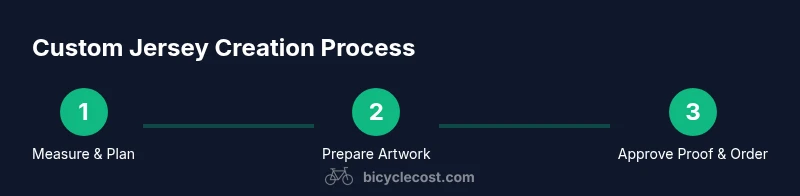
Designing and ordering a bicycle jersey custom is a multi-step process. You’ll choose fabric and fit, prepare vector logos, select a printing method, and approve a proof before production. Start with accurate measurements, a scalable design, and selecting a reputable vendor. Plan for a typical 2–4 week turnaround from concept to delivery.
Why a bicycle jersey custom matters
For dedicated riders, a bicycle jersey custom is about more than color and logo. It’s about fit, performance, and durability on long rides. A well-designed jersey can reduce drag, improve airflow, wick moisture efficiently, and minimize chafing under a backpack or hydration pack. A custom option also ensures you get features you actually need—like extra length in the rear hem, gripper cuffs, or a longer zipper for ventilation. The result is a garment that stays in place while you pedal, rather than riding up and distracting you. From a team or club perspective, a custom jersey creates a unified look that boosts morale and makes your group easy to spot on group rides. According to BicycleCost, riders who invest in a properly sized jersey report fewer distractions from fabric movement and better moisture management during climbs. The BicycleCost team found that even small adjustments in sleeve cut or shoulder width can impact comfort and performance in hot conditions. This guide will help you navigate fabric choices, sizing, and printing methods so your bicycle jersey custom meets your goals for comfort, branding, and durability on the road, gravel, and MTB trails.
Fabrics, fits, and features
Choosing the right fabric blend is the foundation of a good bicycle jersey custom. Most performance jerseys rely on polyester blends with a touch of elastane or spandex to provide stretch. Polyester is favored for its moisture-wicking properties, quick-dry behavior, and colorfastness. A typical blend is 80–90% polyester with 10–20% elastane, which gives you both breathability and a snug yet comfortable fit. Look for fabrics with a soft hand, flatlock seams to reduce chafing, and a UPF rating if you ride in bright sun. More advanced options include knitted mesh panels for extra venting in high-heat conditions and textured fabrics that help with aerodynamics. In addition to fabric, consider design features such as a full-length zipper, three to five rear pockets sized to hold tubes, CO2 cartridges, and snacks, and a silicone waist gripper to keep the jersey from riding up. For riders who race or train in wet weather, consider water-repellent coatings or laminated fabrics. A bicycle jersey custom should balance weight, stretch, and breathability to optimize comfort over varied terrains and temperatures.
Measuring and sizing for a perfect fit
Accurate measurements are essential for a bicycle jersey custom that feels tailor-made. Start with a chest (bust) measurement at the fullest part, then measure the torso length from the collarbone to the desired hem. Next, measure the upper arm circumference and shoulder width to ensure sleeve cap height and shoulder seam alignment match your frame. For a secure fit, record waist and hip measurements if the jersey is designed with a longer cut. Don’t rely on standard T-shirt sizes alone; jersey cuts differ by brand and by sport-specific patterns. Use a flexible measuring tape and wear light, form-fitting clothing when measuring. If you’re between sizes, lean toward the larger size for mobility or choose a vendor who offers a custom-fitted block. Finally, always compare your measurements to the vendor’s size chart and add a small ease allowance (e.g., 0.5–1 inch) for movement. This ensures you’ll get a bicycle jersey custom that sits correctly on the torso during intense pedal effort.
Design considerations: color, logos, and typography
Your design is the heart of a bicycle jersey custom. Start with a clear concept that aligns with your brand or team identity. Use vector logos (AI, EPS, or PDF) to keep edges crisp when scaled to jersey print areas. Avoid raster images unless they’re very high resolution (300 dpi at final print size) to prevent pixelation. Choose colors with good contrast for readability and visibility; bright colors improve daytime visibility, while dark colors can be slimming and professional. Typography should be legible at distance; sans-serif fonts with bold weights work well on small jersey panels. When placing logos, consider jersey panels—front chest, sleeves, and back—so that branding doesn’t blur during movement. If multiple sponsors are involved, ensure each logo has a dedicated print area and clear minimum dimensions for legibility. Finally, include a simple, readable back number or name plate if your use case requires it, while respecting any brand guidelines from sponsors or clubs.
Printing methods: sublimation vs screen printing vs embroidery
Understanding printing methods helps you balance aesthetics, durability, and cost. Sublimation is the go-to choice for all-over color on polyester fabrics; it results in seamless color coverage and excellent wash durability, making it ideal for full-coverage patterns and gradients. Screen printing is cost-effective for simple designs or large single-color logos, but is less flexible for detailed gradients or small text. Embroidery adds texture and a premium feel for logos or initials, though it increases cost and can affect stretch in certain panels. For most professional cycling jerseys, sublimation offers the best blend of color fidelity, comfort, and flexibility, especially for teams with multiple colorways. When printing, request a proof to confirm color accuracy and placement. If your jersey features metallic inks or special effects, expect additional setup and potential color shifts. Align your printing method with your design’s complexity, fabric choice, and budget to optimize performance and appearance.
Preparing artwork for your jersey order
Prepare artwork that’s ready for printing by following supplier guidelines. Convert all text to outlines and ensure fonts are embedded or outlined in vector files to prevent substitution errors. Provide logos in vector formats (AI, EPS, or PDF) whenever possible; if you must provide raster images, ensure they’re at least 300 dpi at the final print size. Use a consistent color mode; sublimation typically uses RGB for color accuracy, while some vendors convert to their own color profiles. Share color references (Pantone if provided by the vendor) and specify any special effects like gloss or matte finishes. Include exact measurements for print areas (e.g., chest width, back panel height). If your design includes small text or thin lines, request a proof to verify legibility at riding distances. Finally, give your vendor a clear print template or dimensions; this reduces confusion and ensures your bicycle jersey custom looks as intended across sizes.
Working with vendors: proofs, turnaround, and quality checks
Engaging a reputable vendor is essential for a successful bicycle jersey custom. Start by requesting a proof, either a digital mockup or a physical swatch, to confirm color, placement, and scale before production. Confirm turnaround times, which commonly span several weeks depending on volume and printing method; plan for the possibility of delays during peak seasons. Discuss minimum order quantities, shipping methods, and return policies in case the final product doesn’t meet expectations. During production, perform a mid-run review if offered (e.g., batch color checks or partial fulfillment) to catch issues early. Once the jerseys arrive, inspect seams, zippers, and pockets; verify color consistency across all pieces, and confirm sizing accuracy by trying on someone of the target measurements. A well-managed proofing and production process reduces waste, shortens rework, and yields a dependable bicycle jersey custom that matches your vision.
Care and longevity of your custom jersey
Proper care extends the life of a bicycle jersey custom. Always follow the care label, but as a rule of thumb, wash in cold water on a gentle cycle with a mild detergent. Turn the jersey inside out to protect logos and prints, and avoid bleach or fabric softeners that can degrade fibers and colors. Air dry flat or hang dry away from direct sunlight to prevent fading. Do not tumble-dry high heat, as repeated heat exposure can cause prints to crack or peel. For best results, wash after every ride to prevent odor buildup and bacteria growth that can degrade fabric over time. If your jersey features reflective elements, ensure they remain intact by avoiding rough agitation. With proper care, your bicycle jersey custom will maintain color vibrancy and structural integrity across many rides and seasons.
Budgeting and getting value: what drives the price
Pricing for a bicycle jersey custom varies with fabric quality, print complexity, and the number of print locations. In general, you can expect a broad range depending on the vendor, but better fabrics and multi-color designs will push costs higher. Simple single-color logos on standard cuts are typically on the lower end, while full-color all-over patterns, performance fabrics, and custom cuts can significantly increase the price. When budgeting, factor in design time, proofs, and potential setup fees for sublimation or embroidery. Consider ordering a smaller initial batch to validate fit and design before larger runs. The goal is to balance upfront investment with long-term value, durability, and the ability to reuse the jersey for multiple seasons or teams. The BicycleCost analysis shows that durable jerseys with colorfast prints and precise sizing offer the best long-term value, especially for clubs and teams that ride regularly. Your priority should be comfort, visibility, and reliability, not just price.
Common mistakes to avoid
Common mistakes include skipping a proper size check, using raster logos at low resolution, or selecting printing methods that don’t suit the design’s complexity. Don’t forget to align the print area with the jersey’s natural pivot points when riding; ill-placed logos can fade or distort during movement. Failing to request a proof can result in misaligned text, wrong colors, or missing sponsor logos. Another frequent issue is neglecting care instructions, which shortens the garment’s life and colorfastness. Finally, avoid rushing production during peak seasons; allow time for proofs, samples, and final adjustments. By avoiding these missteps, you’ll maximize fit, function, and the visual impact of your bicycle jersey custom.
Tools & Materials
- Measuring tape(Flexible, preferably metric; measure chest, waist, torso length)
- Size chart reference(Vendor-specific or team chart; compare to your measurements)
- Graphic design software(Vector-based (AI, EPS, PDF) for logos and typography)
- Vector logos(Provide high-resolution vector logos; PNG or JPG acceptable only if 300dpi+)
- Pantone color references(Helpful for color accuracy; not all printers use Pantone)
- Printer-ready artwork templates(Vendor-specific templates simplify accuracy)
- Access to a printing vendor(Sublimation or screen printing partner with jersey experience)
Steps
Estimated time: 2-4 weeks typical turnaround from initial concept to delivery
- 1
Define goals and choose a vendor
Identify the jersey’s purpose (training vs. racing, team branding, sponsorships) and select a vendor with experience in cycling apparel. Review proofs, turnaround times, and minimum order quantities before committing.
Tip: Ask for a printed proof or swatch to verify fabric feel and print quality. - 2
Measure accurately
Take chest, waist, hip, torso length, and sleeve measurements. Use a flexible tape and wear tight athletic wear during measurement. Compare findings against the vendor’s size chart to select the best fit.
Tip: If between sizes, choose the larger size for mobility or request a custom cut. - 3
Prepare artwork
Gather vector logos, select color references, and ensure all text is outlined. Deliver print-ready files to the vendor, with clear print area dimensions for chest, back, and sleeves.
Tip: Convert all fonts to outlines to avoid substitution issues. - 4
Choose fabric and cut
Select a fabric blend that balances weight, stretch, and moisture management. Decide on a standard race cut or a more relaxed training fit, and specify any zip length preferences.
Tip: Prioritize breathability and a secure hem to prevent jersey ride-up. - 5
Create and review proofs
Request digital proofs and, if possible, a physical swatch. Check color accuracy, logo placement, and size; confirm back-panel layout and pocket positions.
Tip: Communicate sponsor logo hierarchy and minimum size requirements upfront. - 6
Place the order
Submit final designs, confirm print method, sizes, and quantities. Verify delivery address, packaging, and any dealer or club branding requirements.
Tip: Keep a master file with all design specs for future orders. - 7
Quality check on arrival
Inspect seams, zippers, pockets, and logos. Try a test wear with movement to confirm comfort and fit. Report any discrepancies to the vendor immediately.
Tip: Count pockets and verify the correct number of logos for all jerseys. - 8
Care and reuse
Follow care instructions to maximize longevity. Rotate jerseys across events to minimize wear and preserve colors.
Tip: Avoid high heat drying and harsh detergents that dull prints.
People Also Ask
What is the best printing method for all-over jersey designs?
Sublimation is typically the best option for full-color, all-over designs on polyester jerseys due to seamless color coverage and durability. It preserves the garment’s stretch and feel better than many other methods.
Sublimation is usually the best choice for full-color designs because it covers the entire fabric without a raised texture.
How do I measure for a bicycle jersey custom?
Measure chest, torso length, waist, and sleeve length with a flexible tape while wearing snug athletic gear. Compare to the vendor’s size chart and choose based on the closest match, considering ease for movement.
Take chest, torso length, and sleeve length and compare with the vendor’s chart.
Can I customize with a team logo and sponsor logos?
Yes. Provide vector logos for team and sponsors and specify the print areas. Confirm logo hierarchy and minimum sizes to keep sponsor legibility across sizes.
Yes—just supply vector logos and specify print areas and sizes.
Are custom jerseys durable in washing and wear?
Durability depends on fabric and print method. Follow care instructions closely: cold wash, gentle cycle, inside-out, and air dry to preserve color and fabric integrity.
Follow care instructions: wash cold, air dry, inside-out.
What turnaround time should I expect?
Turnaround typically spans a few weeks, depending on design complexity and volume. Plan for proofs and production time when scheduling events.
Expect a few weeks from proof to delivery, depending on complexity.
Watch Video
Quick Summary
- Define purpose and vendor early to align expectations.
- Measure accurately and compare against the vendor’s size chart.
- Provide vector artwork and proofs to avoid surprises.
- Choose printing method based on design complexity and fabric.
- Care for longevity: cold wash, air dry, and no bleach.