What to Oil on a Bicycle: A PracticalLubrication Guide
Learn what to oil on a bicycle, how often, and the best lubricants for chains, cables, and bearings. Practical maintenance tips from BicycleCost to keep your ride smooth and reliable.


What you will accomplish is a clear, repeatable lubrication routine for a bicycle. You’ll identify moving parts that require oil or grease, choose the right lubricants for each part, and follow a step-by-step cadence to keep your drivetrain smooth. Essential tools include a chain lube, light oil, grease, degreaser, rags, and a bike stand. This guide covers the chain, derailleur pulleys, cables, pivots, headset, hubs, and bottom bracket, with practical safety tips. According to BicycleCost, a disciplined approach reduces wear and improves reliability.
What to oil on a bicycle: the core list
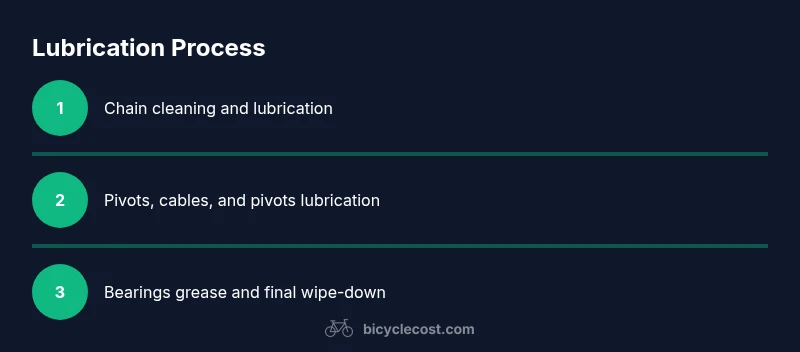
If you're wondering what to oil on a bicycle, start with parts that move most and wear fastest. The drive train—chain, chainrings, cassette, and derailleur pulleys—needs the most frequent care. Exposed cables and pivot points also benefit from lubrication, while bearings inside the headset, hubs, and bottom bracket usually take grease during service. According to BicycleCost, a disciplined lubrication routine reduces friction, prolongs component life, and keeps shifting and braking predictable. Keep to a simple cadence: clean, lubricate, wipe off excess, and test ride. If you ride in wet or dusty conditions, you may choose a different lubricant to maximize performance. For most riders, focusing on the chain first, then pivot points, and finally bearings is the safest and most effective approach. In the sections that follow, you’ll learn exactly how to treat each part.
The right lubricants for different parts
Lubrication is not one-size-fits-all. Use a chain lubricant (dry or wet) on the chain and the inner workings of the derailleurs. Reserve grease for bearings that rotate or spin in cups and races, such as the headset, bottom bracket, and hubs—these are field-tested areas where a heavier lubricant lasts longer. For cables and exposed pivots, a light oil or penetrating oil can reduce friction without attracting dust. In damp or muddy conditions, you may prefer a wet lube on the chain; in dry, dusty weather, dry lube is easier to keep clean. Wipe away any excess to prevent dirt buildup. BicycleCost’s guidance emphasizes choosing the lubricant type based on climate, riding style, and bike type. Remember: lubrication should improve smoothness, not attract grime.
When and how often to oil: a maintenance cadence
Set a cadence that matches your riding and environment. Clean the bike after riding in rain or muddy trails, then oil moving parts as needed. The chain usually gets oil most often—apply a thin film to the inner side of the chain as you pedal slowly backward, then wipe off any excess. Pivot points on derailleurs and brake levers should receive a light dab of oil occasionally when they feel stiff or dry. Bearings inside the headset, hubs, and bottom bracket require grease during service intervals; you won’t oil them as part of every ride, but you should inspect and grease or repack them as part of a routine tune-up every 1–2 years depending on use. Minor maintenance between rides helps prevent costly repairs.
Quick checklist before you start
Preparation matters. Secure the bike, gather lubricants, and clear a clean workspace. A typical checklist includes:
- Clean workspace and secure bike on a stand or stable surface
- Gather lubricants: chain lube, light oil, grease, degreaser
- Have rags and brushes handy
- Identify moving parts: chain, derailleurs, cables, pivots, headset, hubs, bottom bracket
Why: Cleaning first reveals true lubrication needs and keeps grime from spreading. Having the right tools prevents mid-task restarts and reduces mistakes.
Common mistakes to avoid
Avoid over-lubricating or applying lubricant to brake surfaces. Do not spray degreaser directly on rotors or brake pads. Always wipe away excess and let parts dry before testing. Misapplying grease to seals or bearings that don’t require it can attract dust and shorten service life. Use the correct type of lube for each part and climate; mixing lubricants can reduce effectiveness. Finally, never neglect safety; work in a well-ventilated area and keep lubricants away from heat sources.
Special cases: rusty parts, old bikes, or sealed bearings
Older bikes or rusty components require a careful approach. Scored chain links and seized pivots may need penetrating oil and gentle leverage. Sealed bearings, common in many modern bikes, usually require only occasional grease during a scheduled service; they rarely benefit from frequent oil applications. If you’re unsure, consult a trusted guide or a local bike shop. BicycleCost suggests preserving bearing seals during routine maintenance and focusing on chain and pivot lubrication as primary tasks.
Cleaning before lubrication
Always start with cleaning. Remove surface grime, especially from the chain, derailleur pulleys, and joints. A clean chain accepts lubricant more evenly, and scrubbed pulleys rotate more freely. After cleaning, dry thoroughly, then apply your chosen lubricant in the right spots. Wipe any overspray and allow a short cure time before riding. Cleaning also reduces the likelihood of dirt mixing with lube and turning into a grinding paste that wears parts faster.
Safety and storage of lubricants
Store lubricants in a cool, dry place away from direct sunlight. Keep containers closed when not in use to prevent contamination. Dispose of used rags and degreaser responsibly according to local guidelines. Wear gloves if you have sensitive skin, and avoid contact with eyes. Always keep lubricants away from heat sources and avoid mixing products unless the manufacturer guidance explicitly allows it.
Why regular maintenance saves money in the long run
Regular lubrication reduces wear on the drivetrain and prevents sticking or skipped gears, which leads to smoother rides and fewer breakdowns. A simple, consistent routine helps you catch issues early—like a stiff derailleur or a sluggish brake lever—before they escalate into costly repairs. BicycleCost analysis, 2026, shows that riders who maintain a consistent lubrication habit report fewer emergency repairs and longer component life, translating to lower ownership costs over time.
Tools & Materials
- Chain lubricant (dry or wet)(Choose based on climate; dry for dusty conditions, wet for wet conditions.)
- Light machine oil or penetrating oil(Used for cables and pivots; apply sparingly.)
- Grease (multi-purpose)(Used for headset, bottom bracket, hubs; serviceable bearings only.)
- Bike degreaser(Biodegradable if possible; use sparingly.)
- Chain scrub brush / stiff-bristled brush(For removing grime during degreasing.)
- Lint-free rags(For wiping and preventing dirt buildup.)
- Small screwdrivers or hex keys(For accessing dust caps or components.)
- Protective gloves(Keeps hands clean and protected.)
- Bike stand or secure work surface(Eases access and safety during maintenance.)
Steps
Estimated time: 45-75 minutes
- 1
Secure the bike and inspect the area
Place the bike on a stable stand or on a flat surface where you can freely rotate the cranks. Inspect for any obvious wear or loose parts before you begin, so you don’t contaminate clean areas with dirt.
Tip: A stable setup prevents accidental slips and makes precise lubrication easier. - 2
Degrease the chain and moving parts
Apply bike-safe degreaser to the chain, chainrings, derailleurs, and pulleys. Let it sit for a minute, then scrub with a chain brush and rinse or wipe dry.
Tip: Avoid getting degreaser on brake rotors/pads; residue can reduce braking performance. - 3
Oil the chain properly
Apply a thin layer of chain lubricant to the inside of the chain as you pedal slowly backward. Wipe off excess to prevent dirt attraction.
Tip: A light coat is better than a heavy film that traps dust. - 4
Lubricate pivots and exposed cables
Add a small amount of oil to derailleur pivots, derailleur joints, brake levers, and exposed inner cables. Wipe away any drips.
Tip: Only a drop per pivot; too much lube collects grime and increases drag. - 5
Grease serviceable bearings
If your headset, bottom bracket, or hubs are serviceable, remove dust caps and apply fresh grease before reassembling. Wipe away any excess.
Tip: Do not over-pack grease; a thin film protects while rotating freely. - 6
Finish with wipe-down and test ride
Wipe any overspray from rims and braking surfaces. Spin the crank, shift through gears, and take a short test ride to confirm smooth operation.
Tip: If anything feels gritty, recheck for excess grime or misapplied lubricant.
People Also Ask
What parts should I oil first on a bicycle?
Start with the chain, then pivots and exposed cables; bearings get grease during service intervals. This order minimizes dirt pickup and maximizes drivetrain efficiency.
Begin with the chain, then pivots and cables. If you service bearings, do it during a planned tune-up.
What lubricant should I use in wet weather?
Use a wet or wax-based chain lubricant designed for wet conditions and reapply more often as needed. This protects the chain from water and grime.
Choose a wet lube for rain and reapply as needed.
Can I use WD-40 for bicycle lubrication?
WD-40 cleans and displaces moisture but is not a long-lasting bicycle lubricant. Use bike-specific lubes for chain, cables, and pivots.
WD-40 is a cleaner, not a long-term lube for bike parts.
How often should I clean the chain before applying lube?
Clean the chain whenever it accumulates grime or feels sticky. Clean parts hold lubrication better and last longer.
If the chain looks dirty, clean before lubing.
Is oiling brakes or braking surfaces safe?
Keep lubricants away from brake rotors, pads, and discs. Oil on braking surfaces reduces braking performance and safety.
Never oil the braking surfaces.
Should I oil cables and housings?
Lubricate exposed inner cables lightly; avoid soaking cable housings. Excess lube in housings can attract dirt and impede movement.
Lubricate inner cables a little; don’t flood the housing.
What about sealed bearings?
Sealed bearings generally don’t require regular oiling. Service them during periodic tune-ups with appropriate grease if you suspect rough operation.
Sealed bearings don’t need frequent oil; service them during tune-ups.
Watch Video
Quick Summary
- Identify moving parts first: chain, pivots, cables.
- Use correct lubricants for each part; grease for bearings, oil for cables and pivots.
- Apply sparingly and wipe excess to prevent dirt buildup.
- Maintain a regular cadence to extend component life.
- Inspect bearings during tune-ups to avoid costly repairs.