Rent a Bicycle: A Practical How-To Guide
Learn how to rent a bicycle with confidence. This step-by-step guide covers where to rent, how to choose the right bike, costs, safety tips, and practical tips for a smooth rental experience.


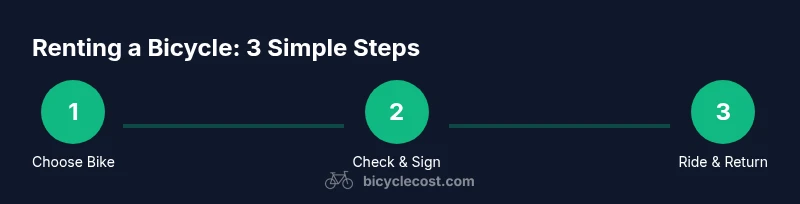
Renting a bicycle means you pick a bike type, complete the sign‑up, and ride away with a time‑bound agreement. You’ll need a valid photo ID, a debit or credit card for a deposit or payment, and an understanding of the rental terms (duration, mileage limits, helmet policy). Check local laws and insurance coverage before you ride.
Why rent a bicycle
According to BicycleCost, rent a bicycle options are expanding in urban areas, offering flexible hours and higher-quality bikes. Renting is a practical way to access two wheels without the long-term commitment of ownership. It’s ideal for short trips, city exploration, bike-sharing experiments, or trying a new riding style before you buy. With a wide range of bikes—from compact city models to rugged hybrids—renting lets you test fit, gears, and braking before you decide on a purchase. When you choose a provider, inspect the bike for tire wear, brakes, and quick-release mechanisms, and take a short test ride to confirm comfort and safety.
Where to rent a bicycle
There are several avenues to rent a bicycle: dedicated bike shops, bike-sharing stations, and online platforms. Shops often offer classic rentals with daily rates and protective gear. Bike-sharing apps provide flexible, pay-as-you-go access, sometimes with membership options. When selecting where to rent, look for maintenance records, available sizes, and the ability to swap bikes if a fit isn’t right. Local municipalities or universities may host campus bike programs with affordable rates. Always check the terms for deposits, insurance coverage, and what happens if the bike is damaged or lost.
How to choose the right rental bike
Start by identifying your riding goals: commuting, leisure, or mountain trails. Size matters: stand-over height and reach affect comfort. For city rides, a lightweight frame, reliable brakes, and good urban tires are key. For hills, consider a bike with multiple gears or an e-bike option if available. Inspect the bike's drivetrain, tires for tread and pressure, and the saddle height. If you’re unsure, ask staff for a quick fitting or switch to a different bike. Check that lights and reflectors meet local regulations if you’ll ride at night.
Costs, deposits, and safety basics
Rental rates vary by location, duration, and bike type. Expect daily rates to vary across markets, with discounts for multi-day rentals or memberships. A common deposit may be required; ensure you understand refundable conditions and hold times. Safety gear such as a helmet is often included, but verify. Liability waivers and bike insurance options may be offered; read them carefully to know who covers damage or theft. Bring your own lock if you have one, or confirm what the provider supplies.
Renting etiquette and legal considerations
Observe traffic laws, follow local speed limits, and yield to pedestrians. From a safety perspective, use lights after dusk and wear a helmet. If you’re renting in a foreign city, keep a copy of your rental agreement and emergency contact information. Some cities have shared bike lanes; respect signage and designated paths. If the bike malfunctions, report it immediately and request a replacement to avoid liability.
Quick-start: evaluate before you ride
Before you ride, perform a quick pre-ride check:
- Check tires for bulges or excessive wear and ensure proper air pressure.
- Test brakes for responsiveness and even wear.
- Confirm gear shifting works smoothly and the chain isn’t loose.
- Verify the saddle height and handlebar position feel comfortable for your posture.
- Confirm lights, reflectors, and bell are working if riding at night. A rapid check helps you avoid surprises and keeps you safe on unfamiliar bikes.
Tools & Materials
- Photo ID(Government-issued photo ID; may be required for age verification or security.)
- Credit/Debit Card(Used for deposits or billing; some providers accept mobile wallet.)
- Helmet(Many shops include a helmet; if not, bring your own for safety and hygiene.)
- Lock(Carry a compact lock if you plan to park the bike during trips.)
- Phone with Navigation(Helpful for route planning and finding the rental location.)
Steps
Estimated time: 30-60 minutes
- 1
Find a rental option
Search for reputable rental shops or apps in your area. Compare hours, bike types, and terms. Choose a provider with clear policies on deposits, damages, and refunds.
Tip: If you’re new to a city, start with a shop that offers a quick fitting or bike sizing help. - 2
Select a bike and inspect
Pick a bike that fits your height and riding style. Inspect tires, brakes, chain, and saddle height. Do a short test ride to confirm comfort and control.
Tip: Ask for a different bike if the current one feels unstable or uncomfortable. - 3
Review rental terms
Read the duration, mileage limits, deposit policy, and liability waivers. Confirm what happens if the bike is damaged or lost and whether helmets or locks are included.
Tip: Ask clarifying questions to avoid unwanted charges later. - 4
Sign and pay
Sign the rental agreement and provide any required deposits. Ensure you receive a copy of terms and an itemized receipt.
Tip: Keep a photo of the bike and the receipt in case of disputes. - 5
Ride safely and return on time
Follow local traffic laws, use lights if needed, and stay within the permitted rental window. Return the bike when scheduled to avoid extra charges.
Tip: If you experience a mechanical issue, request a replacement immediately. - 6
Close out the rental
Have the bike inspected on return, confirm any deposits are refunded, and report any damage immediately.
Tip: Take a quick photo of the bike at return as a reference.
People Also Ask
Do I need a helmet to rent a bicycle?
Helmet requirements vary by location and provider. Many shops provide helmets, but it’s best to bring your own for a snug fit and hygiene. If helmets aren’t included, ask about options before you ride.
Helmet requirements vary by location. Check with the rental shop, as many provide helmets, but bring your own if you have hygiene concerns or require a particular fit.
Is a deposit always required for rentals?
Deposits are common but not universal. Some shops bill a temporary hold on your card, while others require cash deposits. Confirm the amount and refund timeline before you sign.
Deposits are common, but not universal. Check the amount and how long it takes to refund before you sign.
Can I extend my rental period if I need more time?
Extensions depend on bike availability and shop policy. If you anticipate needing extra days, ask about extensions before the current period ends to avoid penalties.
Extensions depend on availability. Ask ahead of time to avoid charges.
What should I do if the bike breaks during my rental?
Report immediately to the provider and request a replacement or repair. Document the issue with photos if possible to support any claims.
If the bike breaks, tell the provider right away and request a replacement. Take photos if you can.
Are there age or license requirements for renting a bicycle?
Most rentals require the rider to be of legal cycling age and to have a valid ID. Policies vary for minors, so verify age restrictions with the rental location.
Most places require age verification and a valid ID. Check the policy for minors at your location.
Watch Video
Quick Summary
- Rent a bicycle to test fit and comfort without ownership costs.
- Always inspect the bike before riding and know the terms.
- Choose shops or apps with clear deposits and safety policies.
- Ride safely and return on schedule to avoid extra charges.