How to Forest Bike: A Practical Woodland Guide
Learn how to forest bike safely with gear, trail selection, and technique. This BicycleCost guide covers setup, reading woodland terrain, etiquette, and step-by-step practices for enjoyable and responsible forest rides.


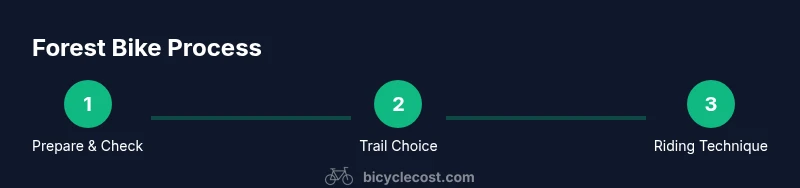
This guide shows you how to forest bike safely and confidently. You’ll learn how to choose the right bike and tires, inspection of gear, how to read forest terrain, and ride with proper technique. We cover trail selection, safety practices, and a step-by-step approach to a controlled woodland ride that minimizes risk while maximizing enjoyment.
Why forest biking matters and how to approach it
According to BicycleCost, forest biking blends technical handling with environmental awareness. A thoughtful approach starts with the right gear, a capable bike, and a plan that respects soil, roots, and wildlife. Woodland trails reward patience, smooth momentum, and deliberate line choice over raw speed. By treating forest rides as a learning process, beginners build confidence while reducing the chance of scrapes, mechanicals, or unwanted wildlife encounters. This guide focuses on practical preparation, trail selection, and fundamental riding techniques that apply across many forest types.
- Define your goals: casual scenic rides, technical challenges, or endurance workouts.
- Build a basic safety routine: pre-ride checks, helmet fit, and weather awareness.
- Start with easy routes that match your fitness and skill level, then progress gradually.
BicycleCost’s approach emphasizes steady progression, consistent maintenance, and respect for the forest environment. The BicycleCost Team emphasizes you don’t need the fanciest gear to get started, but you do need reliable basics and a plan.
Top features for forest bikes and setup
Forest trails demand a versatile, capable setup. This section covers bike choice, tire choices, and preload/suspension settings that help you handle roots, rock gardens, and loose soil on woodland paths.
- Bike type: a mountain bike with robust frame and adjustable suspension performs best on most forest trails.
- Tires: wide, medium to aggressive tread improves grip on damp soil and exposed roots. Tubeless tires reduce pinch flats.
- Suspension: moderate sag (roughly 15-25% of travel) helps absorb bumps without losing pedaling efficiency.
- Brakes: reliable hydraulic disc brakes provide consistent stopping power on slippery surfaces.
- Fit and cockpit: reach, stack, and handlebar width should allow quick, controlled weight shifts during turns and over obstacles.
BicycleCost analysis, 2026, shows most riders benefit from a setup that prioritizes control and traction over raw speed in forest conditions.
Reading forest terrain and identifying hazards
Forest terrains vary by moisture, leaf litter, roots, and rocks. Learning to read the surface before you ride can prevent surprises and save energy.
- Surface types: leaf litter can hide rocks; damp soil increases slide risk; dry, compact soil offers better grip but can harden on climbs.
- Obstacle spotting: scan ahead for roots, exposed rocks, logs, and sudden drops. Note how spacing and angle affect your line.
- Trail features: switchbacks, narrow lanes, and tree roots break your rhythm; plan a smooth, continuous motion through each feature.
Using consistent scanning and early line choice reduces late corrections and keeps momentum stable.
Trail selection and pacing for beginners
Choosing the right trail and pacing yourself are essential. Start with designated beginner or blue-rated forest trails and avoid epic singletrack on day one. Pace yourself to stay within your comfort zone while gradually challenging your maneuvers.
- Pick a loop with predictable sections and minimal exposure.
- Use a conservative pace on unfamiliar sections to maintain control.
- Take breaks to reassess line choice and stay hydrated.
- If you encounter an obstacle beyond your skill, dismount and walk the bike around it.
Remember, the goal is safe learning, not speed. This approach reduces fatigue and boosts your confidence for longer rides.
Safety gear and pre-ride checks
A solid safety kit and pre-ride checklist are non-negotiable. Forest trails present more variable hazards than paved routes, including loose soil, branches, and sudden weather changes.
- Helmet: ensure a snug fit with a proper strap. A full-face helmet is optional for rocky sections but provides extra protection on advanced trails.
- Eye protection: sunglasses or goggles keep debris out of your eyes when brushing through branches.
- Gloves: padded gloves cushion grip and improve control on rough surfaces.
- Protective pads: knee and elbow pads reduce scrapes on tight moments; optional for beginners.
- Lights and visibility: carry a front light if the ride may extend into dusk; a bright jersey improves visibility to others.
- First-aid and communications: a small first-aid kit and a charged phone in a waterproof case can be lifesavers in remote forest areas.
Before leaving, test brakes, quick-release mechanisms, tire pressure, and chain cleanliness. These checks prevent common forest incidents and mechanicals.
Basic techniques: braking, cornering, and weight distribution
Developing core techniques makes forest rides smoother and safer. Practice in gentle sections first, then advance to more technical terrain as your confidence grows.
- Braking: modulate both brakes smoothly, prefer the front brake for most deceleration but avoid locking the rear. Apply brakes earlier on loose soil to reduce skidding.
- Cornering: keep eyes up toward your exit, approach from the outside, and steer the bike with your hips rather than the handlebars to maintain balance.
- Body position: stay relaxed, knees slightly bent, and shift weight toward the rear during descents to improve traction.
- Line choice: choose the widest safe line with the smoothest surface, then commit to the motion so you don’t stumble mid-turn.
Consistency builds confidence; small, repeated successes reinforce good habits.
Climbing and descending in woodland terrain
Hills in forests require disciplined technique and pace changes. Use gear selection and body position to climb efficiently and descend with control.
- Climbing: stay seated on moderate grades, maintain steady cadence, and keep your weight balanced over the bike. If traction fades, lower the tempo and pick a cleaner line.
- Descending: stand slightly, elbows out, and absorb shocks with your legs. Scan for hazards and brake early; use both brakes to modulate speed without skidding.
- When to walk: if a section becomes unsafe, walk the bike for safety rather than forcing a risky pass.
With practice, hills become predictable and manageable rather than intimidating.
Maintenance after forest rides
Soil and moisture contribute to faster wear on components; a quick post-ride check extends bike life and performance.
- Clean the drivetrain and frame to remove mud and grit.
- Inspect brakes, rotors, and pads for wear.
- Check tire wear and patch any punctures; reseat tubeless tires if needed.
- Re-lubricate the chain after cleaning; wipe off excess lube to prevent attracting dirt.
- Inspect cables and derailleur alignment for precise shifting on return trips.
Proper cleaning and inspection prevent rust and performance drop in subsequent rides.
Environmental respect and Leave No Trace
Forest riding combines sport with stewardship. Respect local rules, wildlife, and other trail users. Practice Leave No Trace by packing out trash, minimizing noise, and avoiding damage to vegetation and soil.
- Stay on designated trails to protect fragile ecosystems.
- Don’t create new routes; report erosion or hazards to park authorities.
- Wear appropriate attire to avoid exposing wildlife to bright colors or noise.
- If you see wildlife, give space and back away slowly.
Following these practices helps preserve forest trails for future riders and wildlife alike.
Common mistakes to avoid
New forest riders often overestimate skill or misjudge trails, leading to avoidable incidents. Common mistakes include riding too fast on roots, neglecting pre-ride checks, and failing to carry basic repair gear. Start slow, practice controlled braking, and gradually increase difficulty as your balance and line quality improve. Regular maintenance and staying within your ability are the best defense against injuries and bike damage.
Tools & Materials
- Mountain bike suitable for forest trails(prefer 29-inch or 27.5+ with broad tread for stability and grip)
- Helmet with MTB safety features(secure fit, chin strap snug; consider a full-face helmet for rocky sections)
- Cycling gloves(padded for grip and comfort on long forest rides)
- Eye protection(goggles or sunglasses to shield from branches and dust)
- Knee and elbow pads(optional for Beginners; add for extra protection on rough trails)
- Hydration system(water bottle or hydration pack; carry 1.5–2x ride time)
- Multi-tool, tire levers, patch kit(on-trail repair essentials including a spare tube)
- Pump or CO2 inflator(adjust tire pressure on trail if needed)
- Chain lube and rag(apply after ride to keep drivetrain clean)
- First-aid kit(small kit if riding alone or remote areas)
Steps
Estimated time: 90-120 minutes
- 1
Prepare and inspect gear
Start with a quick pre-ride check: brakes, tires, chain, and quick releases. Confirm your helmet fits properly and that you have water and tools accessible. This foundation reduces the chance of mid-ride failures and keeps you focused on technique.
Tip: Run brakes and tire pressure checks before leaving trailhead to avoid surprises on rough sections. - 2
Choose a beginner-friendly forest trail
Select an easy loop or designated blue-rated trail appropriate for your skill level. Review the map, note obstacles, and set a conservative pace. If you’re unsure, start with a flatter section to practice balance and control.
Tip: Stick to marked routes and avoid venturing into unmaintained paths. - 3
Set up your bike for woodland terrain
Adjust tire pressure for traction (slightly higher than mud-specific settings on dry days, lower on slick roots). Ensure suspension is tuned for your weight and the terrain. Check derailleur alignment so gear changes are smooth.
Tip: Lower tire pressure a few psi if you encounter loose soil or soft ground. - 4
Warm-up and establish your line
Begin with a gentle ride to warm up and observe trail texture. Pick a line that avoids sharp turns and large obstacles. Keep a relaxed grip and light stance to absorb shocks.
Tip: Scan 2-3 turns ahead to maintain momentum and reduce last-minute corrections. - 5
Practice controlled braking and cornering
Brake early, then ease off as you turn. Lean with your bikes’ natural pivot, keep eyes on the exit, and maintain a steady cadence. Use brakes symmetrically to avoid skidding on loose surfaces.
Tip: Avoid harsh front braking on loose soil to prevent washing out. - 6
Build confidence on climbs and descents
Choose gentler grades first, maintain a steady cadence, and shift body weight slightly back on descents to improve stability. On steeper segments, stand and use your legs to absorb terrain, not your arms.
Tip: If traction fades, dismount and walk the tricky section rather than risking a fall. - 7
Respect trail etiquette and wildlife
Yield to hikers and horses, announce your approach, and keep noise minimal. Don't disturb wildlife; avoid loud ridges and sudden accelerations near nesting sites. Carry out all trash.
Tip: A small bell or friendly verbal cue helps non-riders hear you in dense areas. - 8
Finish with a quick post-ride check
Inspect tires and brakes for wear, wipe down the bike, and lubricate the chain. Reflect on what you learned and plan the next progression so you continue improving.
Tip: Document one area to improve on your next ride.
People Also Ask
What gear is essential for forest biking?
At minimum, wear a well-fitting helmet, gloves, and appropriate protective clothing. A mountain bike with reliable brakes and sturdy tires is crucial, along with water, a basic repair kit, and a first aid kit. Optional but recommended are eye protection and knee/elbow pads.
Essential gear includes a helmet, gloves, a sturdy bike with good brakes, and water. Add eye protection and pads if you’re new or riding rough terrain.
How do I pick beginner trails for forest biking?
Look for official forest or park trails labeled easy or beginner. Start with shorter loops on flat or gently rolling terrain, then gradually attempt more challenging sections as confidence grows. Always check weather and trail conditions before starting.
Choose official beginner trails, start short and flat, and build up to tougher sections as you improve.
How can I handle roots and rocks on forest trails?
Approach roots and rocks with a light touch, keep your cadence steady, and pick a line that minimizes abrupt inputs. Lift your front wheel slightly for big obstacles, and use your strongest leg for push-off momentum on rough sections.
Stay smooth and focused on the line, lift the front wheel when necessary, and maintain a steady cadence.
What tire pressure should I use on forest trails?
Tire pressure depends on rider weight and trail conditions. Start with a lower pressure for loose soil or roots to maximize grip, then increase gradually on firmer ground. Always check the pressure before starting a ride.
Set lower pressure for better grip on loose surfaces, then adjust as the trail firmness changes.
How often should I service my bike after forest rides?
Inspect brakes, chain, and tires after each forest ride. Clean thoroughly and lubricate the chain to prevent rust and stiff shifting. Schedule a more thorough tune-up if you notice creaks, slips, or reduced braking performance.
After forest rides, check brakes and tires, clean the drivetrain, and lubricate the chain.
Watch Video
Quick Summary
- Plan before you ride to reduce surprises
- Choose beginner-friendly trails and progress gradually
- Maintain your bike and protective gear after every forest ride
- Practice controlled braking and smooth weight distribution
- Respect trails and wildlife to protect ecosystems