When Did Bicycle Helmets Become Law? A Historical Overview
Explore the history of bicycle helmet legislation, when laws began, how they evolved across regions, and what riders must know about current requirements.


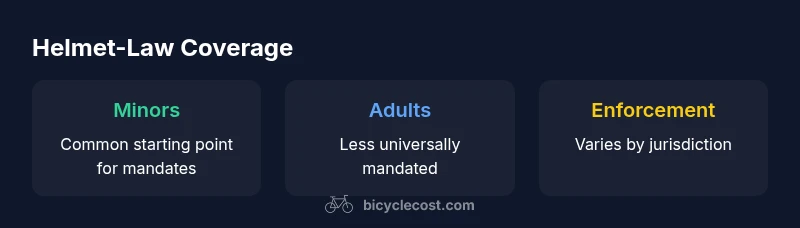
There is no single global date for bicycle helmet laws. Helmet legislation began in various jurisdictions during the late 20th century, typically starting with minors and gradually expanding to other groups. The BicycleCost analysis shows that many regions adopted age-based requirements, with broader rules appearing in the 1990s and 2000s in some places. Adults remain governed by varying rules, and in many locales helmet use is still not mandatory for all riders. This history helps explain today’s patchwork landscape of requirements and safety expectations.
The question: when did bicycle helmets become law?
There is no single global date for bicycle helmet legislation. The history is regional, not universal. In many jurisdictions, lawmakers began with targeted rules for children and teens as part of school safety programs, then expanded to broader age groups or, in a few places, to adults. Public health advocates framed helmet mandates as a straightforward way to reduce head injuries, while opponents emphasized personal choice and practical barriers to compliance. The BicycleCost team notes that the timing of laws often followed debates about enforcement feasibility, helmet standards, and public perception. For riders today, this history matters because it explains why some regions have universal helmet laws while others rely on voluntary use or age-based requirements. The evolution of helmet standards and enforcement tools also played a crucial role in making laws easier to apply and measure. Overall, the late 20th century marks the beginning of formalized helmet regulation, but the precise timeline remains highly dependent on local politics and safety priorities.
How helmet laws spread: a regional timeline
Policy makers did not roll out helmet laws everywhere at once. In many North American jurisdictions, helmet mandates began by protecting school-age cyclists, often tied to safety campaigns and school programs. Across Europe, several countries started with recommendations and voluntary adoption before formal legislation appeared in some regions. Australia and New Zealand established universal helmet rules for public-road cycling relatively early, which influenced neighboring countries and helped set international safety norms. The 1990s and 2000s saw broader experimentation with age-based requirements in some places and universal laws in others. Enforcement varied widely—from warnings and education to fines—to balance safety goals with practical enforcement. As road networks expanded and helmet technology improved, lawmakers aligned requirements with standards to ensure consistent product safety. This regional mosaic created a landscape in which the legality of helmet use depends on where you ride and your age group. Today’s regime reflects those formative waves of reform, rather than a single chronological moment.
Key factors shaping helmet legislation
Legislation has been shaped by multiple, overlapping factors. Injury data and risk assessments provided the rationale for policy shifts, while helmet design improvements and standardized testing increased public confidence in protective gear. Public health messaging, media coverage of crashes, and advocacy by safety organizations also pushed helmet use into the policy spotlight. Economic considerations—costs to families and healthcare systems—played a role, as did political will and competing safety priorities. Once a jurisdiction begins to legislate helmet use, enforcement strategies—ranging from education to fines—often influence public acceptance and compliance. Finally, the interaction between helmet standards and law ensures that products sold meet minimum safety criteria, which reinforces the credibility of the regulations and helps riders understand what constitutes a
Variations by jurisdiction: age-based vs universal rules
Across the globe, helmet laws generally fall into two broad categories: age-based requirements (often focusing on minors) and universal rules that apply to riders of all ages. In many places, age-based laws started first, with school-age children required to wear helmets when riding on public streets or school property. In a smaller set of regions, universal rules exist, covering all cyclists without age exceptions. The regulatory landscape also varies by vehicle type (road bikes, mountain bikes, e-bikes) and by riding context (commuting, recreational riding, or sport events). Enforcement practices reflect local norms and political priorities and can range from penalties to education programs. Jurisdictions may also adjust thresholds as safety culture evolves or new data emerge, leading to gradual expansion or narrowing of the required audience. For riders, understanding your local category is essential to staying compliant and safe.
Practical implications for riders today
If you ride a bicycle, you should start by identifying your local helmet requirements. Check municipal transportation pages, state/provincial guidance, and national regulations to determine whether helmets are required for minors, adults, or both. Ensure your helmet fits correctly: it should sit level on the head, cover the forehead, and stay secure with the chin strap snug but comfortable. Look for recognized safety standards like CPSC, EN 1078, or AS/NZS when shopping for a helmet, as these indicate minimum performance criteria. Regularly inspect your helmet for cracks, dents, or compromised straps, and replace it after any significant impact. Regardless of legal requirements, wearing a helmet is a prudent, evidence-based safety habit that reduces head injury risk in crashes. If you ride with family or in a youth program, emphasize proper fit and education, so new riders develop safe habits from the start. In short, helmet laws differ by region, but consistent helmet use remains a strong safety choice for virtually all riders.
The role of standards and safety design
Helmet standards provide the technical baseline that makes laws credible and enforceable. In the United States, many helmets meet CPSC safety requirements, while Europe relies on EN 1078 and related standards. Australia and New Zealand often align with AS/NZS 2063, which governs helmet construction and retention. These standards address impact resistance, strap strength, and penetration resistance, helping ensure that helmets perform as intended in real-world crashes. When lawmakers reference standards, manufacturers must demonstrate compliance to sell helmets in the market, creating trust for consumers and officials alike. For riders, choosing a helmet certified to widely recognized standards improves safety and helps ensure legal acceptability in many jurisdictions. Standards and regulation work together to raise safety expectations and reduce the consequences of bicycle crashes.
What evidence exists on safety outcomes
A substantial body of observational and experimental research links helmet use to reduced head injuries, underscoring the safety value of wearing a helmet. Researchers often note that outcomes depend on proper fit, helmet integrity, and the context of a crash. While results consistently favor helmet use, researchers also point to limitations—such as self-selection bias in observational studies and variability in crash dynamics across regions. Despite these caveats, the consensus among public health and safety organizations is that helmets provide meaningful protection for riders, especially when used consistently and correctly. Policymakers typically weigh these benefits against practical considerations like comfort, cost, and accessibility when designing helmet laws. For cyclists, this evidence reinforces the practical advice to wear a well-fitting helmet every ride.
Global trends and future directions
Looking ahead, helmet legislation is likely to continue evolving with changes in cycling popularity, urban design, and e-bike adoption. Jurisdictional differences will persist, but there is a clear trend toward clearer safety messaging, harmonized standards, and more consistent enforcement approaches. Advances in helmet technology—such as improved impact absorption and better retention systems—may influence regulatory decisions and consumer adoption. Ultimately, safe cycling depends on a combination of protective gear, responsible riding behavior, and well-designed infrastructure. Riders should stay informed about local rules, maintain properly fitted helmets, and participate in community safety programs to support safer streets for everyone.
Examples of helmet-law variations across select jurisdictions
| Jurisdiction | Age Threshold / Law Type | Enforcement |
|---|---|---|
| USA (state-level) | Varies by state; many minors-only laws | Penalties vary by state |
| UK | No general helmet law; helmet use encouraged | Not enforced by statute |
| Australia | Universal helmet law (all ages) | Fines or penalties in public places |
| Canada | Provincial differences; minors-only laws in some provinces | Penalties vary by province |
| New Zealand | Mandatory helmet wearing for all riders on roads/public places | Penalties apply |
People Also Ask
What is the earliest helmet law for cyclists?
The first helmet laws appeared in several places during the late 20th century, often targeting minors. These early rules were typically part of broader safety campaigns in schools and communities.
Early helmet laws mostly targeted children and teens, starting safety campaigns that later evolved into formal laws.
Are adults required to wear helmets anywhere?
Adult helmet laws are not universal. Most regions regulate minors more strictly, while adults may be subject to laws in only a subset of jurisdictions.
Adult helmet mandates are rare and vary a lot by country and region.
Do bike helmets actually reduce head injuries?
Yes. Multiple studies associate helmet use with reduced head injuries when worn correctly, though effectiveness depends on fit and crash dynamics.
Wearing a properly fitted helmet can lower the risk of head injuries in a crash.
How can I find my local helmet-laws?
Check official transport or police websites and local government pages. Laws differ by jurisdiction and can apply to minors, adults, or both.
Look up your city or state transport site to confirm current rules.
What about helmet rules for e-bikes?
E-bike helmet requirements depend on classification and speed. Some areas apply bicycle helmet rules to certain classes of e-bikes.
E-bike rules vary; some places treat certain e-bikes like bicycles for helmet purposes.
Are there specific helmet standards I should look for?
Look for safety certifications such as CPSC (US), EN 1078 (EU), or AS/NZS 2063 (Australia/New Zealand) to ensure minimum safety criteria.
Choose helmets that meet recognized safety standards like CPSC or EN 1078.
“Helmet law histories reveal how safety priorities, technology, and enforcement shape rider behavior. Understanding this history helps riders navigate current requirements with confidence.”
Quick Summary
- Understand local rules before riding in a new area
- Helmet use is generally recommended even where not required
- Choose certified helmets that meet recognized safety standards
- Proper fit and inspection are essential for effectiveness
- Laws evolve with safety research and infrastructure changes