Can You Bicycle Route 66? A Practical 2026 Guide
Learn how to plan, gear up, and safely ride Route 66 on a bicycle. This comprehensive 2026 guide covers route options, pacing, packing, training, safety, budgeting, and a step-by-step plan for a multi-week cross-country ride.


Yes. You can bicycle Route 66, but it’s a long, varied cross-country ride across eight states with diverse terrain and road conditions. Preparation matters: map planning, gear, safety, and pacing. This guide covers route options, terrain, recommended gear, and how to prepare your bike and body for a multi-week adventure.
Can You Bicycle Route 66? A Realistic Look
Yes — can you bicycle route 66? The short answer is yes, you can ride a bicycle along the historic Route 66 corridor, but it remains a long, multi-state undertaking with distinct challenges. This route crosses eight states and showcases a mosaic of landscapes, from desert flats to rolling mesas and small towns that once thrived on cross-country traffic. For most cyclists, the ride is less about a single day’s distance and more about a multi-week journey punctuated by diners, roadside museums, and long stretches with limited services.
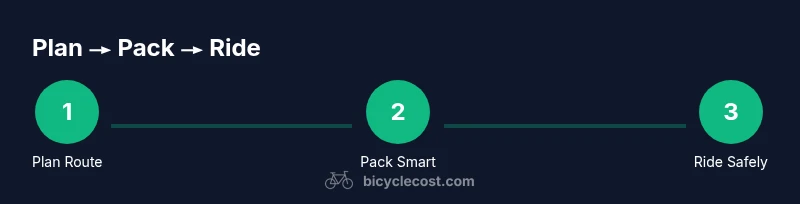
According to BicycleCost, successful Route 66 journeys hinge on three pillars: clear route planning, durable gear, and disciplined pacing. The BicycleCost team found that riders who break the ride into manageable segments, rehearse everything from tire changes to weather contingencies, and stay flexible with daily mileage tend to finish with fewer setbacks. In this guide, we map out route options, shore up your gear kit, and provide a practical week-by-week plan so you can confidently answer the question can you bicycle route 66 with a solid preparation strategy.
text
Tools & Materials
- Puncture repair kit(Carry patches and a small bottle of rubber cement; ensure you have spare tubeless plugs if applicable)
- Spare inner tubes(At least 2–3 tubes in different sizes that fit your tires)
- Multitool with chain tool(Include quick-link pliers and hex keys in common sizes)
- Portable pump or CO2 inflator(High-volume pump is preferred for quick seating of tires)
- Tire levers(Sturdy aluminum levers reduce pinch flats during on-road changes)
- Spare chain links and lube(Useful on longer miles; lube to prevent chain wear in dusty conditions)
- Helmet and high-visibility gear(DOT-certified helmet; reflective vest or bright clothing for dawn/dusk riding)
- Rear panniers or rack system(Distribute weight evenly; pack light but complete for week-long segments)
- Water bottles and hydration system(Minimum 2 bottles; consider a hydration pack for longer days)
- First-aid kit(Include basic wound care, analgesics, and blister care)
- Lights (front and rear) and reflective tape(Practice recharging or carrying spare batteries; legal visibility matters)
Steps
Estimated time: Estimated total time: 6-12 weeks
- 1
Define your route and milestones
Decide whether you want the historic alignment or a practical modern path with long stretches of services. Break the ride into 7–14 day segments and set realistic daily mileage goals based on your training and bike setup. Map towns with lodging or camping options to avoid long gaps without services.
Tip: Allow margin for weather, road closures, and rest days; flexibility reduces burnout. - 2
Prepare the bike and inspect components
Perform a full tune-up: check brakes, derailleurs, chain wear, and tire tread. Ensure tires match your load and expected road surfaces. Carry spare parts and a boots kit for quick fixes on the road.
Tip: Test on a local multi-day ride before the big trip to uncover hidden issues. - 3
Pack light but complete
Choose a lightweight packing list that balances clothing, repair tools, and camping gear if you plan to bivouac. Use panniers to keep weight low and center mass stable. Include a compact rain layer for sudden weather changes.
Tip: Practice packing and re-packing to maximize space and accessibility. - 4
Plan daily routines and nutrition
Structure each day around mileage targets, rest stops, and meals. Hydration is critical in desert segments; carry electrolyte mix. Alternate hard days with lighter days to manage fatigue and prevent injuries.
Tip: Carry quick-energy snacks and a reliable water source strategy for hot days. - 5
Set up safety and visibility habits
Riding Route 66 requires awareness of mixed traffic, uneven shoulders, and changing road surfaces. Use lights, wear bright colors, and stay visible at dawn and dusk. Signal clearly and anticipate turns well in advance.
Tip: Keep a visible reflector on your bike frame and luggage for late-day visibility. - 6
Weather contingency planning
Check forecasts for each segment and be ready to adjust routes to avoid extreme heat or storms. Carry sun protection and a plan for shelter if weather deteriorates. Education about desert microclimates helps you avoid dehydration.
Tip: Know the signs of heat exhaustion and have an emergency plan. - 7
Establish support and resupply options
Identify towns with bike-friendly services or partner with a support rider if possible. Decide where to ship or pick up spare parts and food. Some riders mix camping with hostel stays depending on budget and distance.
Tip: Pre-arrange a lightweight repair kit that can be mailed to base towns. - 8
Trial run and final adjustments
Do a 4–7 day test ride on similar terrain to simulate heat, wind, and fatigue. Note issues with gear and adjust weight distribution or lodging plans accordingly. Validate your emergency contacts and route backups.
Tip: Keep a small notebook of daily wear-and-tear observations.
People Also Ask
Is Route 66 safe to bike for beginners?
Riding Route 66 is doable for motivated beginners who build a structured training plan and start with shorter sections. Prioritize safety, learn basic repairs, and ride within your limits. Consider a guided segment or a support rider for the first long stretch.
Yes, with proper training and safety prep a motivated beginner can tackle parts of Route 66; start with short sections and build up.
What time of year is best for Route 66 riding?
Spring and fall generally offer milder temperatures and fewer extreme weather events, but conditions vary by state. Plan for hot days in desert sections and cooler nights in higher elevations. Always check local forecasts before you depart.
Spring or fall usually work best, but always check forecasts and be ready to adjust.
Do I need special permits or permissions to ride Route 66?
There are no universal permits required to ride the Route 66 corridor, but some segments may be under local regulations or seasonal closures. Respect private road rights where applicable, and comply with all traffic laws. Always carry identification and be prepared to show permits if requested by authorities on certain segments.
No general permit is required, but follow local rules and respect closures or private roads.
How long does the ride typically take?
Most cyclists plan multi-week itineraries, breaking the trip into manageable daily goals with rest days. Total time depends on daily mileage, terrain, and weather, but a well-prepared rider commonly completes the journey in several weeks.
Duration varies, but plan for several weeks with built-in rest days.
What are essential safety items to carry?
Carry lights, helmets, reflective gear, a basic first-aid kit, and a road-side repair kit. High-visibility clothing and lights are critical for dawn/dusk riding and in poorly lit segments.
Bring lights, helmet, reflective gear, and a basic repair kit for safety.
How should I budget for such a trip?
Budget for gear maintenance, lodging or camping, food, and occasional travel days. Plan for a wide range of expenses and build a contingency fund rather than a single fixed number. Track costs using a simple spreadsheet.
Plan for gear, lodging, food, and contingencies with a simple budget.
Watch Video
Quick Summary
- Plan the route with flexible day goals.
- Equip a reliable, repair-ready bike kit.
- Train progressively and test gear locally.
- Prioritize safety and visibility on shared roads.
- Budget for lodging, food, and contingencies.