Rent Electric Bicycles: A Practical Rider’s Guide
Learn how to rent electric bicycles confidently, from choosing a model and understanding range to safety, pricing, and returning the bike. A BicycleCost guide for cyclists.


Rent electric bicycle options exist from bike-share programs, shops, and online platforms. Key requirements: valid ID, a refundable deposit, minimum age, and a credit/debit card. Rates vary by location: hourly or daily options, with longer rentals offering lower per-hour costs. Some providers require waivers for insurance and liability coverage, plus safety gear like helmets. Always inspect the battery level and assist mode before riding.
Why renting an electric bike makes sense
Renting an electric bicycle gives you a risk-free way to explore power, comfort, and handling before buying. According to BicycleCost, rental options let you sample different frame styles, motor assist levels, and battery ranges in real-world conditions without a long-term commitment. This approach is especially valuable for riders new to e-bikes or those considering a change in terrain or commuting needs. By trying multiple models, you’ll learn which geometry suits your height and reach, which assist mode you prefer, and how battery life matches your daily routes. Use rentals to test hills, long rides, and city traffic without the cost of ownership.
How to choose the right rental service
Start by identifying where you ride most: urban streets, parks, or mixed terrain. A reputable provider should offer a nearby hub network, reliable maintenance, and clear terms. Look for transparent pricing, visible battery health checks, and a straightforward process for deposits and refunds. If you’re unsure, read reviews or ask about battery replacement policies and software updates. A good rental partner will provide well-maintained bikes, a quick safety briefing, and options to swap bikes if geometry or fit feels off.
Factors to consider before you ride
Before you unlock an e-bike, outline your typical routes, terrain, and riding goals. Frame size and standover height affect comfort and knee clearance, so confirm the bike fits you. Consider the motor class and assist levels: higher assist is helpful on hills but drains the battery faster. Note rider weight, cargo, and weather, since these influence range and handling. Finally, check local rules about throttle use and speed limits in bike lanes to stay compliant and safe.
Pricing, deposits, and insurance basics
Prices for e-bike rentals vary widely by location, duration, and bike type. Expect hourly or daily options, with longer rentals offering better per-hour value. Most providers place a temporary hold or deposit on your payment method to cover potential damage or late return; this amount is typically released after the bike is returned in good condition. Insurance is often optional or bundled as a liability waiver; read the terms carefully and clarify what is covered, such as theft, damage, and third-party liability. Always verify what safety gear is included and whether roadside assistance is available.
What to inspect on pickup and during the ride
On pickup, perform a quick safety check: check tires for wear and proper inflation, brakes for responsiveness, and the chain and gears for smooth shifting. Verify the battery gauge, charging status, and the motor’s response in pedal-assist modes. Inspect the display for accurate speed, distance, and trip data. During the ride, stay alert for unusual noises, jerky riding, or reduced range; stop and report issues to the provider immediately. If something feels off, switch to a less aggressive assist level or request a different bike.
Safety gear and riding basics for e-bikes
Always wear a certified helmet and carry lights if riding at dusk or night. Use bright, reflective clothing and consider a high-visibility pannier or vest. obey local traffic laws, ride predictably, and maintain a safe following distance, especially around cars and buses. E-bikes accelerate faster than traditional bikes; practice balance and braking in a safe area before venturing into traffic. Remember that pedestrians and cyclists share space, so yield at crosswalks and use hand signals.
Battery care, charging etiquette, and range planning
Treat the battery with care by avoiding deep discharges; aim to ride with some charge left for reliability. When returning the bike, plug it in if possible or follow the provider’s charging policy. If you expect a long ride, map charging stops or plan routes with hub locations in mind. Use the least aggressive assist setting on flat sections to conserve battery and extend range. Keep the display off when not needed to save energy and avoid overheating in hot weather.
Returning the bike and post-ride steps
Return the bike on time and in the same condition as pickup. Refill or secure the battery according to the provider’s policy and obtain a receipt or confirmation of return. Report any damage, flats, or mechanical issues promptly to avoid disputes on the deposit. After the ride, review your trip for future planning: note which models you liked and the expected range for similar routes. This reflection helps you decide whether to rent again or purchase an e-bike.
Tools & Materials
- Government-issued photo ID(Needed to verify age and identity)
- Credit or debit card(For deposits and payments)
- Smartphone with rental app or confirmation email(To access the bike location and unlock code)
- Helmet(Recommended for safety; some providers supply one)
- Bike lock (if not provided by rental)(To secure the bike between rides)
- Light rain jacket(Weather-ready gear for sudden showers)
Steps
Estimated time: 60-120 minutes
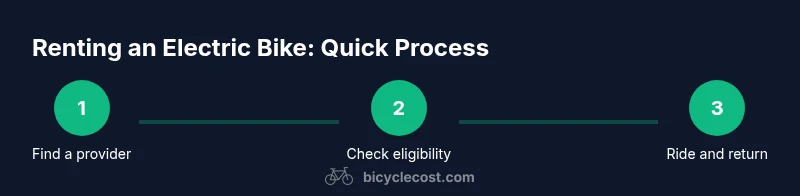
- 1
Find a rental provider
Identify nearby options through maps, apps, or local guides. Compare hub networks, bike types, and overall accessibility. The goal is to pick a dependable partner with a clear safety and return policy.
Tip: Have backup options in case the first bike is unavailable. - 2
Check eligibility and terms
Confirm age requirements, deposit policies, and liability waivers. Read the rental terms to understand what happens in case of damage or late returns. Clarify if theft protection or roadside assistance is included.
Tip: Ask for a written summary of terms before you sign. - 3
Reserve a bike
Book a bike that matches your height and preferred riding style. If possible, request a battery check and a quick equipment briefing at pickup. Have a fallback option in case your first choice isn’t ready.
Tip: Keep a digital copy of the reservation in your phone. - 4
Pickup and inspect the bike
Do a quick pre-ride safety check: tires, brakes, chain, and gears. Confirm battery level and assist mode. Take photos of any notable wear or damage for reference.
Tip: If something isn’t right, request a different bike or a swap. - 5
Test ride and set your assist level
Take a short loop to feel the throttle or pedal assist response. Choose a lower assist on flat sections to save battery. Adjust seat height and handlebars for a comfortable reach.
Tip: Start with Eco or Low assist until you’re confident with handling. - 6
Ride safely and monitor battery
Ride predictably, follow traffic laws, and keep a safe distance from others. Monitor battery gauge and plan a return route with charging stops if needed. Carry lights and wear high-visibility gear at night.
Tip: Avoid steep hills with a nearly empty battery if you’re unfamiliar with your route. - 7
Return the bike properly
Return on time and in similar condition to pickup. Confirm the return and obtain a receipt. If damage or issues occurred, report them immediately to avoid deposit holds.
Tip: Ask for a final check to ensure your deposit is released promptly.
People Also Ask
Do I need a license to rent an electric bike?
No license is typically required to rent an electric bike; ebikes are generally treated as bicycles under local traffic rules. Some jurisdictions may have specific age requirements or rider restrictions, so always confirm with the rental provider.
No license is usually needed to rent an electric bike, but check your local rules and the provider’s terms.
Are deposits required for rentals?
Many rental providers place a temporary hold on your payment method to cover potential damage or late return. This hold is usually released after the bike is returned in good condition, following the provider’s policy.
Most rentals require a temporary payment hold; you’ll get it back after the bike is returned in good condition.
Is insurance included or optional?
Insurance is often optional or bundled as a liability waiver. Read the coverage terms to understand what is protected, such as theft, damage, and third-party liability, and whether there are limits or exclusions.
Insurance is usually optional; check what the waiver covers so you understand your exposure.
Can I ride off-road with a rental?
Some rental ebikes allow light trail riding, but many providers restrict off-road use due to risk and liability. Always verify routes allowed on your specific bike and respect local trails rules.
Off-road riding depends on the provider and bike; verify allowed trails before you go.
What if the battery dies during the rental?
If the battery dies mid-ride, contact the rental provider for guidance. Many programs offer a return option to a nearby hub or a battery swap where available.
If the battery dies, contact support and follow their guidance for a safe return or swap.
How do refunds and cancellations work?
Cancellation policies vary; some providers offer partial refunds for early cancellations, while others charge a fee. Always review the policy at the time of booking to avoid surprises.
Cancellation terms vary; check the policy before booking to understand any fees.
Watch Video
Quick Summary
- Rent before buying to test fit and feel.
- Inspect safety and battery health on pickup.
- Clarify deposits and insurance upfront.
- Plan routes with charging in mind.
- Return on time to avoid penalties.