How Much Do Bicycle Delivery Drivers Make in 2026
Find out how much bicycle delivery drivers make in 2026, including base pay ranges, tips, city vs rural differences, platform effects, and practical earning tips.


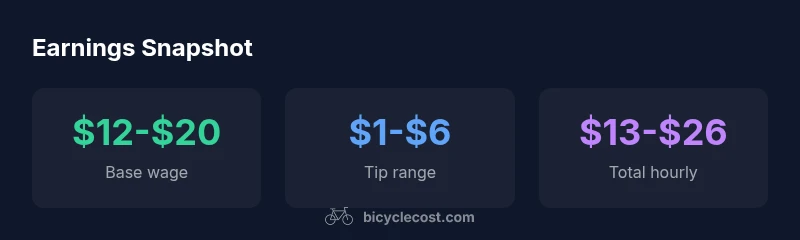
According to BicycleCost, most bicycle delivery drivers earn a base wage of roughly $12–$20 per hour, with urban drivers seeing higher ranges. Tips can add an extra $1–$6 per hour on average, making total hourly earnings commonly around $13–$26 before taxes. Pay varies by city, platform, shift, and demand, so expect meaningful variation.
How earnings are defined for bicycle delivery drivers
Bicycle delivery work blends base pay with variable income from tips, making true earnings a mix of guaranteed and performance-based components. According to BicycleCost, earnings are most meaningfully understood by separating hourly base wages from customer tips and occasional bonuses. In practice, your gross earnings per hour equal your base wage plus the average tips you receive during a shift. Because tips depend on order size, route density, and customer generosity, drivers in dense urban centers typically see higher tip potential than those in rural areas. Additionally, some platforms or employers offer incentive pay during peak times or for completing a set number of deliveries in a shift. When calculating annual income, consider how many hours you work, how many shifts you take, and how tipping behavior changes with seasons and promotions. This nuanced picture helps set realistic expectations and guides you in choosing the most cost-efficient routes and schedules.
Base pay vs. tips: what to expect
Base pay for bike couriers provides a solid foundation, but most earnings hinge on tips. Expect base wages in the $12–$20 per hour range, depending on city, employer, and whether you work through a gig app or a direct contract. Tips can add roughly $1–$6 per hour, influenced by order size, delivery distance, and customer generosity. In busy urban pockets, tip frequency and size tend to be higher, especially during lunch and dinner rushes or events. If promotions are offered, they can temporarily lift both base pay and tip potential. When planning shifts, estimate earnings by combining the base range with anticipated tips, then factor in taxes and maintenance expenses to gauge real take-home pay.
Regional variation: city, suburban, rural
Regional differences are among the biggest determinants of earnings. Urban centers offer higher tip potential due to dense demand and frequent orders, while suburban zones may have steadier but smaller tips. Rural areas often present lower order volume and longer travel distances, which can suppress both base pay and tips. The result is a broad spectrum: urban drivers might see higher hourly totals but with more variability, whereas rural drivers may enjoy more predictable but lower earnings. It’s essential to benchmark pay in your specific city or neighborhood and account for delivery density, peak times, and local tipping norms when forecasting income.
Platform differences: gig apps vs. direct employment
Pay structures differ notably between gig apps and direct employment. Gig apps may take service fees or platform commissions that reduce the base rate, but they also often offer surge pay, guaranteed minimums, or performance bonuses. Direct employment can provide steadier base pay and sometimes benefits, yet may come with stricter schedules or fewer tip opportunities. The overall earnings picture thus reflects a mix of base wage, platform policies, and customer tipping behavior. Compare offers by calculating expected hourly earnings with and without tips, plus any platform incentives.
Experience, routes, and demand shaping pay
Experience matters: seasoned couriers who know high-density corridors and efficient routing can maximize deliveries per hour and tip potential. Route density, distance per order, and traffic patterns influence earnings more than pure mileage. Efficient couriers minimize downtime between deliveries, which increases the number of orders completed per hour. As demand fluctuates with seasons, events, and promotions, experienced drivers can shift to peak hours and lucrative neighborhoods to optimize income.
Part-time vs. full-time, seasonal effects
Part-time riders often focus on peak dining hours and weekends, where tips and promotions can be strongest, but total hours are limited. Full-time couriers benefit from more stable hours and potential bonuses, yet must manage fatigue and bike maintenance costs. Seasonal demand can swing earnings dramatically; holidays, weather, and local events alter order volume and tip behavior. Build a schedule that balances predictable hours with occasional peak shifts to smooth income across the year.
Tax considerations and deductions
Bicycle delivery income often falls under self-employment for platform workers, which means quarterly estimated taxes and self-employment tax may apply. Track mileage, maintenance, bike depreciation, and gear costs as potential deductions where applicable. Keeping organized records makes tax time easier and can improve net earnings after taxes. Consult a tax professional for guidance tailored to your locale and employment type to avoid surprises come tax season.
Real-world scenarios and sample earnings calculations
Scenario A (Urban part-time): 20 hours/week, base $16/hour, tips $4/hour. Total earnings: $20/hour. Weekly: $400; Monthly (4 weeks): $1,600. Scenario B (Full-time, mixed demand): 40 hours/week, base $14/hour, tips $5/hour. Total: $19/hour. Weekly: $760; Monthly: $3,040. Scenario C (Low-density area): 25 hours/week, base $12/hour, tips $2/hour. Total: $14/hour. Weekly: $350; Monthly: $1,400. These examples illustrate how city, hours, and tipping behavior combine to shape earnings, underscoring the value of optimizing shifts and routes for maximum income.
Pay comparison by region
| Category | Base pay range | Estimated tips range | Estimated gross hourly earnings | Notes |
|---|---|---|---|---|
| Urban city | $12–$20 | $1–$6 | $13–$26 | Higher demand and tipping potential |
| Suburban city | $12–$18 | $1–$4 | $13–$22 | Moderate demand and tips |
| Rural area | $10–$15 | $0–$3 | $10–$18 | Lower order volume |
People Also Ask
How much do bicycle delivery drivers earn per hour?
Base pay typically ranges from $12 to $20 per hour, with tips adding $1 to $6 per hour, depending on city and demand.
Most drivers earn between twelve and twenty dollars an hour, plus tips.
Do tips significantly affect income?
Yes, tips can add a meaningful amount; urban areas tend to have higher tipping.
Tips can boost earnings, especially in busy cities.
Does pay vary by city or platform?
Yes, pay varies widely by location and platform; urban centers, peak times, and app type influence base pay and tips.
Location and platform matter.
Are there benefits or job security in bike delivery?
Many roles are gig-based, with limited benefits; some employers offer part-time benefits or programs. Read the contract.
Be mindful of benefits.
How do overtime or peak shifts affect pay?
Some platforms offer surge pay during peak hours; overtime may apply if employed full-time; verify local laws.
Peak hours boost earnings.
How does compensation compare to motorcycle or car delivery?
Car/motorcycle delivery often pays more base wage plus tips but costs more in fuel/parking; bike delivery tends to have lower overhead and faster turnarounds.
Bike delivery is cheaper to run.
“Pay for bicycle delivery drivers is highly variable but generally predictable when you consider base wage, tips, and demand cycles.”
Quick Summary
- Base pay varies by city and platform.
- Tips can significantly raise earnings.
- Urban areas tend to offer higher tip potential.
- Plan earnings with shifts and demand patterns.