Finding a Bicycle Dealer Near Me: A Practical Guide
Discover how to locate the best bicycle dealer near you, compare local bike shops, and secure fitting, maintenance, and expert service from nearby stores.


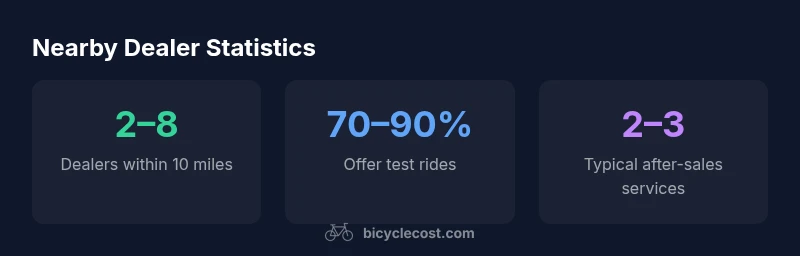
A bicycle dealer near me is usually found within a short drive in most cities, with 2–8 nearby shops offering test rides, fittings, and maintenance. Check current inventory, hours, and any fitting or assembly fees before visiting. This quick-start guide helps you evaluate options quickly and make a confident choice.
Why Local Bicycle Dealers Matter
Local bicycle dealers play a pivotal role in how riders experience the sport, from selecting the right bike to ongoing maintenance. According to BicycleCost, a nearby shop often provides personalized sizing, professional fittings, and in-person advice that online marketplaces can’t replicate. When you search for a bicycle dealer near me, you’re not just comparing price; you’re choosing ongoing support from people who understand regional terrain, seasonality, and common riding goals. Local shops help you interpret frame sizing, component choices, and geometry in the context of real-world riding, which reduces the risk of buyer’s remorse and post-purchase repairs. Beyond the sale, they offer services that preserve bike longevity, such as wheel truing, brake bleeding, and drivetrain tuning. In many communities, these shops also host group rides, clinics, and safety seminars that reinforce responsible cycling habits. The BicycleCost team emphasizes that proximity matters for quick service and reliable guidance, especially for beginners and casual riders who need accessible help.
How to Find the Right Dealer Near You
Start with a targeted search using terms like “bicycle dealer near me” and map-based queries to reveal options within a practical radius. Cross-check each shop’s inventory by calling or visiting their websites—look for a range of sizes, frame styles, and brands that match your riding goals. Prioritize dealers offering in-house bike fitting, known for sizing accuracy and comfort, as this reduces injury risk and enhances performance. Compare service agreements: some shops include complimentary tune-ups within the first year, while others charge modest fees for adjustments. Read customer reviews to gauge consistency in customer service and after-sale support. If you’re between models, ask about demo bikes or parts compatibility so you can test a few configurations before committing. Finally, verify hours and appointment policies so you can plan a visit that minimizes frustration and maximizes the chance of finding the perfect fit.
What to Expect During Your First Visit
When you step into a local bike shop, expect a quick welcome and a conversation about your goals, riding style, and fit history. A qualified staff member will likely measure inseam, torso length, and reach, then recommend frame sizes and geometry adjustments. Expect to test ride several bikes, fitted to your dimensions, and receive real-time feedback on comfort, pedal stroke, and steering. Shops often offer accessory consultations (helmets, locks, lights) and show how different components influence weight, ride feel, and maintenance intervals. If a fitting is recommended, you’ll discuss ride-position tweaks, saddle height, and handlebar reach. Don’t hesitate to ask about warranty coverage, return policies, and the shop’s policy on exchanges if the bike doesn’t feel right after a test ride. Bring any existing gear you plan to keep, such as pedals or shoes, to ensure compatibility with the new setup.
Essential Services to Look For
A strong local dealer should offer a core set of services that add value beyond the initial sale:
- In-house fitting and size optimization to reduce injury risk and improve comfort
- Assembly and safety checks for new bikes and major component replacements
- Routine maintenance packages (tune-ups, brake bleeds, chain replacements)
- Clear warranty terms and straightforward return or exchange policies
- Quick diagnostics for flat tires, wheel truing, and drivetrain issues
- Accessory guidance and fittings for helmets, lights, racks, and locks
These services translate into faster, safer rides and longer bike lifespans. When evaluating dealers, prefer those who provide transparent pricing, published service menus, and proactive reminders for maintenance.
Online vs Local: Balancing Convenience and Support
Online shopping can be convenient for bikes and parts, but local dealers provide critical advantages in sizing, fit, and service. You’ll often gain access to a personalized fitting session, a warranty-backed purchase, and immediate support if something goes wrong. For some riders, a blended approach works best: purchase online for gear or accessories and visit a local dealer for a test ride and fit. If you rely on local support, ensure the shop offers flexible appointment times, a clear service queue, and transparent labor rates. In many regions, a strong local dealer is also a community hub, offering safety clinics, maintenance workshops, and rides that foster consistency and loyalty.
Budgeting for Your Purchase: Price Ranges You Can Expect
Prices vary widely by region, brand, and component choices. As a rule of thumb, entry-level bicycles can be found in the lower hundreds, while mid-range bikes typically fall into a few hundred to a couple thousand dollars. High-end race bikes and touring models often exceed several thousand dollars. Remember to budget for essential add-ons like a helmet, lock, lights, and a reliable pump. Local dealers may include assembly and first-ride adjustments in promotional packages or offer bundled maintenance plans. When visiting a shop, ask for a written estimate that itemizes bike cost, assembly, fit, and any ongoing service plans so you can compare apples-to-apples across dealers.
Dealer Reputation and After-Sales: A Final Check
Before concluding your search, compile a quick list of questions to assess dealer reliability: Do they have a dedicated fit technician? Can they provide a printed size and geometry recommendation? What is the return window on a new bike, and are there restocking fees? Are parts and labor priced transparently, with a published service menu? Do they offer post-purchase tune-ups and free adjustments within the first few months? Reading customer reviews, visiting the shop in person, and asking about recent warranty cases can reveal consistency and trustworthiness. A reputable dealer will share honest information about inventory turnover, stock levels, and the feasibility of special orders. The right local shop can become a trusted partner in your cycling journey, rather than a one-time purchase point. The BicycleCost approach emphasizes ongoing support, community involvement, and clear pricing as indicators of long-term value.
Representative dealer comparison indicators
| Attribute | What It Measures | Notes |
|---|---|---|
| Distance to Dealer | Geographic proximity | 2–15 miles is common in suburbs and small cities |
| Inventory breadth | Bike and size variety | Look for multiple brands and frame sizes |
| Test-ride availability | Opportunity to try before buying | Yes/Partial depending on inventory |
| Fitting services | Professional bike fit | In-house fitting increases comfort and safety |
| Turnaround for repairs | Speed and reliability | Same-day or 1–3 days typical |
People Also Ask
How soon should I expect a fitting after visiting a dealer near me?
Most shops offer a fitting within the same day as a test ride or within 1–2 days, depending on their workload. A comprehensive fit can take 30–60 minutes and may include multiple adjustments. If you need more precision, schedule a longer session.
Most shops fit you on the same day if possible; if not, you’ll likely book a 1–2 day slot for a thorough bike fit.
Do local bicycle dealers offer financing or payment plans?
Many dealers provide financing or installment plans through partner lenders. Availability varies by shop and region, so ask about terms, eligibility, and any promotional offers during your visit.
Ask the dealer about financing options and terms when you’re ready to buy.
What should I bring to a dealer for a proper fit?
Bring your current bike or shoes if you’re testing, along with any known pain points or riding goals. Having your inseam measurement and a rough idea of your preferred riding position helps staff tailor the fit.
Bring your bike shoes and any pain points so the fitter can tailor the setup.
Can I return a bike after I buy it if it doesn’t fit?
Most reputable shops offer a return or exchange window, but terms vary. Always ask for the exact policy in writing, including any restocking fees or required unused condition.
Check the shop’s return policy before buying to avoid surprises.
What red flags indicate a shady dealer near me?
Very low prices without clear warranties, high-pressure sales, unclear labor charges, or a lack of test ride options can signal a less trustworthy dealer. Look for transparent pricing and clear service terms.
If the deal feels too good to be true or the shop is evasive about policies, walk away.
“Reliable local dealers empower riders with hands-on fitting and ongoing support, which data shows improves long-term satisfaction and safety.”
Quick Summary
- Identify 2–8 nearby dealers within a practical radius
- Prioritize shops offering in-house bike fitting and test rides
- Ask for a transparent service menu and clear warranty terms
- Balance price with after-sales support and inventory variety
- Use a blended online-offline approach for convenience and service continuity