Can You Take a Bike on a Bus? A Practical How-To Guide
Learn how to bring your bike on a city bus safely and legally. This guide covers folding rules, loading steps, safety tips, and planning to minimize delays—perfect for walkers, riders, and commuters.


Yes—most buses allow bikes when you follow the operator’s policy, typically by folding the bike or disassembling parts as required. Start by checking the specific rules for your route, prepare the bike accordingly, and load it during less crowded times if possible. Always confirm loading procedures at the door before approaching the rack.
Can you get bike on bus: practical guidance
The question can you get bike on bus is common among commuting cyclists. According to BicycleCost, many urban and regional systems permit bikes on buses, but rules vary widely by city, route, and time of day. The core idea is that you must either fold the bike or adapt it to fit the rack or designated loading area. If you don’t know the policy, you risk delays or being denied boarding. Planning ahead lowers stress and helps you keep a reliable schedule. Can you get bike on bus? With the right preparation, yes, you can integrate bike trips into a bus-based commute, expanding your options rather than creating a logistical choke point. Always verify rules in advance and carry any required gear or documents that demonstrate policy compliance.
Regional policy differences you should expect
Bicycle carriage rules are not universal. Some agencies allow unmodified bikes on front racks, while others require folding or disassembly. In many systems, the bike must fit within rack dimensions, which often favors folding bicycles or compact dissembled configurations. Accessibility services may affect bike loading during peak times, and some routes prohibit bikes during rush hours. When planning a trip, check the transit agency’s website or call ahead to confirm if your bike qualifies for carriage and whether you need a seat reservation or a specific loading door. This awareness helps you avoid last-minute refusals and keeps your commute on track.
Preparing your bike for bus transport
Preparation is the key to smooth loading. If your route requires folding, practice the fold until you can perform it quickly and confidently at the bus door. If disassembly is needed, know which components must come off (pedals, handlebars, wheels) and have a small toolkit ready. Clean and secure any loose items to prevent damage or injuries during movement. Having a compact bag or cover can protect the bike and reduce grime transfer in crowded buses. Preparation also reduces time spent at the door, which benefits everyone waiting behind you.
Step-by-step overview: getting your bike on a typical city bus
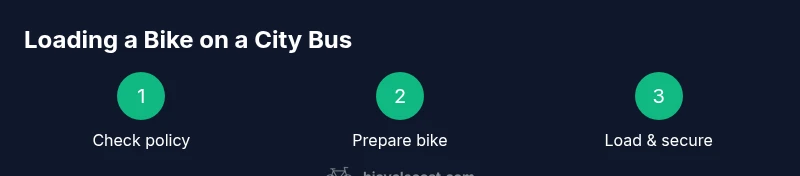
A high-level approach is to identify the policy, prepare the bike, approach the bus calmly, and execute the loading with care. This section provides a framework without duplicating the full step-by-step guide in the dedicated block. Remember to keep aisles clear and communicate with other passengers if space is tight. If you’re unsure about how your bike should be handled, opt for late-morning or early-evening trips when the bus is less busy.
Safety first: loading and unloading techniques
Safety means protecting yourself, other riders, and the bike. Always secure any moving parts before boarding, apply non-slip contact with the ground, and avoid forcing the bike into slots that don’t fit. When unloading, repeat the checks you did on entry—watch for doors and travelers, keep the frame close to your body, and use both hands to prevent drops. If you’re new to bus loading, practice with a friend at a quiet stop to build muscle memory.
Handling exceptions: e-bikes, oversized bikes, and accessibility
Not all bikes are equal in transit. Some agencies restrict high-powered e-bikes or oversized frames, while others permit them under special conditions such as battery detachment or off-peak travel. If you ride an e-bike, verify battery safety rules and consider carrying a security seal or cover for transport. For larger frames, folding or partial disassembly may be mandatory. In every case, communicate with the driver if you anticipate delays or space constraints, and have alternatives ready.
Alternatives when bus transport isn’t feasible
If a bus policy makes bike transport impractical on a given day, explore alternatives. You might use a bike-share program to shorten the first or last mile, park the bike at a hub and ride part of the route, or combine bike routes with trains that carry bikes in certain carriages. Planning ahead helps you maintain consistency in your commute and reduces the risk of being stranded without a plan. BicycleCost recommends building flexibility into your routine so you’re prepared for policy shifts or temporary restrictions.
Common mistakes and how to avoid them
Rushing loading at peak times often leads to misalignment, dropped parts, or blocking an aisle. Avoid leaving loose items on the bike, neglecting to secure the frame, or relying on a single strap that can slip. Always verify that the bike is stable before you sit down, and politely remind fellow riders if space becomes constrained. Lastly, never attempt to board with a bike that clearly obstructs the door or violates the operator’s policy, as this can cause delays for everyone on board.
Planning your route to save time and stress
Effective bus-bike trips require route awareness. Check the bus schedule against peak-hour times, identify doors or ramps optimized for bike loading, and practice your folding or disassembly sequence to minimize onboard time. If you’re unsure about which route to take, map multiple options that balance reliability, travel time, and potential crowd levels. By planning ahead, you’ll answer the can you get bike on bus question with competence, not guesswork.
Tools & Materials
- Foldable bike(Mandatory if policy requires folding; practice the fold for quick trips)
- Policy reference(Print or save digital copy of local bus policy; have route-specific details handy)
- Straps or bungee cords(Secure bike to prevent movement; ensure straps are non-marking)
- Bike cover or bag(Protects bike and reduces grime in crowded buses)
- Small toolkit (allen key, multitool)(Useful for quick adjustments or disassembly per policy)
Steps
Estimated time: 15-30 minutes per trip
- 1
Check policy at the door
Before boarding, verify the bus operator’s bike policy for your route. Confirm whether folding or disassembly is required, and note any time-of-day restrictions. This prevents wasted effort and potential denial at the bus door.
Tip: Have the policy page ready on your phone or printout for quick reference. - 2
Prepare the bike per policy
If folding is required, practice the fold so you can do it quickly. If disassembly is required, remove pedals and turn the handlebars as directed. Secure loose items to avoid snagging or damage.
Tip: Know which components must be detached and carried safely. - 3
Approach the boarding area calmly
Head to the designated bike-loading area as directed by the operator. Maintain a clear path for other passengers and be ready to stop and wait if the bus is crowded.
Tip: Avoid blocking the door; communicate politely with passengers nearby. - 4
Load and secure the bike
Place the folded or disassembled bike into the rack or holding area per policy. Use straps if required to prevent movement. Ensure the load does not obstruct seating or the aisle.
Tip: Check stability from multiple angles before stepping back. - 5
Inform the driver and other passengers
Let the driver know you’ve loaded a bike and ask for any adjustments needed to accommodate you without delaying others. Be mindful of your space and keep voices low to avoid disturbing riders.
Tip: If space is tight, be ready to wait for the next bus. - 6
Enter the bus and secure your area
Board gently, keeping the bike close to your body to avoid hitting other passengers. Sit or stand near the bike so you can monitor its stability during the ride.
Tip: Choose a seat near the bike to keep an eye on it. - 7
Unload at your stop
When you reach your stop, exit carefully and remove the bike from the rack, if needed. Be mindful of others stepping off and give yourself time to reassemble if required.
Tip: Reassemble away from the doorway to avoid crowding the exit. - 8
Reassemble and store securely
If you removed components, reassemble the bike in a safe, non-blocking area. Ensure all parts are secure and check that the bike is ready for the rest of your journey.
Tip: Tighten bolts and check wheel alignment before riding. - 9
Double-check for safety after boarding
Confirm that your bike isn’t creating a hazard for other passengers. Adjust straps or position if needed and respect space for wheelchairs or strollers.
Tip: If the stop requires a lot of maneuvering, consider waiting for a later bus. - 10
Plan for next time
Review the policy after the trip and note any changes for future rides. Refine your folding or disassembly technique to improve speed and reduce stress on crowded days.
Tip: Keep a small checklist in your bag for quick reference.
People Also Ask
Can you bring a bike on a city bus?
Most cities permit bikes if they fit the policy, often requiring folding or disassembly. Always verify local rules before traveling.
Most buses allow bikes if they’re folded or disassembled according to policy.
Does every bus require folding the bike?
Not all buses require folding; some allow bikes on racks if they fit. Check the operator’s policy for your specific route and time.
Folding isn’t universal; check policy for your route.
Are there size or weight limits for bikes on buses?
Policies vary by system. Most limit by rack dimensions; larger bikes may be disallowed or require special handling.
Size and rack limits vary—check local rules.
Are electric bikes allowed on buses?
Rules vary: some systems treat e-bikes as regular bikes if powered down with battery secure; others ban certain high-power models.
E-bike rules differ by city—verify policy.
Do I need to pay extra to bring my bike?
In many places bikes ride free or with no extra fare, but some routes may charge a small bicycle surcharge. Check fare policies for your route.
Fees vary by route; most don’t charge extra, but confirm.
What if the bus is crowded or accessibility features are in use?
Loading may be delayed or prohibited if the bus is full or accessibility features are active. Be prepared to wait or choose another trip.
If crowded or accessibility features are active, you may need to wait.
Watch Video
Quick Summary
- Check policy before you travel.
- Fold or disassemble as required.
- Load safely and don't block aisles.
- Plan for peak times and accessibility constraints.
- Know alternatives if needed.