Rent Bicycle Central Park: A Practical Guide
Discover how to rent a bicycle near Central Park, choose the right bike, ride the loop safely, and return with ease. A practical guide from BicycleCost.


You can rent a bicycle near Central Park by visiting rental shops along the park's edges or booking a guided ride. Typical options include city bikes, hybrid rentals, and sometimes electric-assist models, with day rates roughly in the $20-$40 range. Bring a valid photo ID, a credit/debit card, and measurement details for sizing. Always follow park rules and safety guidelines.
Why Renting Near Central Park Makes Sense
According to BicycleCost, renting a bicycle near Central Park offers a flexible, affordable way to explore one of New York City's most iconic green spaces without the burden of owning a bike. Central Park's scenic loop, bridges, and landmarks are best experienced at your own pace, with the option to stop for a picnic, photo, or quick rest. Rental shops along Columbus Circle, 5th Avenue, and Harlem North provide a range of bikes—from lightweight city bikes to sturdy hybrids and sometimes electric-assist models. Expect day rates roughly in the $20-$40 range, with longer rental options offering modest discounts. Make sure to verify size, helmet availability, and whether the shop deposits a hold on your card. Always check current park rules and riding etiquette, as these influence your route and safety. If you want to rent bicycle central park, you'll find several nearby shops. This approach saves you the trouble of transporting a bike from far away, reduces setup time, and keeps your day flexible for weather changes or last-minute detours.
How to Choose the Right Bike for Central Park
Central Park riding spans paved paths, gravel connectors, and occasional hills. The right bike balances comfort, efficiency, and safety. For most visitors, a lightweight city bike or hybrid offers an optimal mix of upright posture and speed. If you anticipate longer sections or inclines, a mid-range hybrid with reliable gears helps. Consider the bike's fit first: test ride, adjust the saddle to hip height, and ensure the handlebar reach doesn’t strain your wrists. For those with longer outings, an electric-assist option can extend your ride without fatigue, but check park policies on assist type and access. Remember to confirm the correct bike size using the shop's sizing guide and, if possible, bring your inseam measurement for precise saddle height.
Where to Rent: Shops, Tours, and Apps
Rentals cluster around the park’s edges—Columbus Circle, near 59th Street, and along Fifth Avenue offer convenient access. Many shops provide a quick on-site fitting, a safety briefing, and a test ride before you commit. If you prefer not to ride solo, guided bike tours traverse the perimeter with a planned route, which can be a good option for first-timers or visitors with limited time. Rental apps or online platforms can simplify the process by reserving a bike in advance and showing nearby availability. Regardless of method, verify helmet availability, lock options, and whether a deposit hold is required on your card. Booking ahead can reduce waiting, especially on weekends or holidays near Central Park.
Important Rules and Safety for Central Park Riding
Central Park has dedicated bike lanes and shared-path rules designed to protect pedestrians and riders. Maintain a safe speed, yield to pedestrians, and stay to the right on designated paths. Always wear a helmet (many shops include one with the rental) and carry identification. Use a front and rear light if riding at dawn, dusk, or night, and keep a reliable lock when you pause. Park regulations may restrict certain bikes or routes; always follow posted signs and the staff’s guidance. If you’re unsure about a path, ask staff or locals for a recommended route to minimize conflicts with walkers and runners.
Tips for a Smooth Rental Experience
Preparation makes all the difference. Bring a photo ID and a payment card; confirm the rental terms, including deposit holds and return windows. Inspect the bike before you ride: test the brakes, gears, tire pressure, and chain lubrication. A small repair kit or patch kit is handy if you encounter a puncture. When you finish the ride, return the bike during the stated window to avoid late fees, and ask for a quick damage check so your deposit is released promptly. If you’re riding with kids or a group, designate a lead rider and establish a meeting point in case of separation.
Planning a Scenic Route in Central Park
A well-planned loop lets you experience major highlights without backtracking. A common route starts near the Columbus Circle entrance, skirts the southern edge, climbs the eastern and northern rims, and circles back. Plan bathroom breaks at major bridges or scenic overlooks. Time your ride to avoid peak crowds, and consider a mid-ride café stop for refreshments. If you’re short on time, a shorter inner-loop path still showcases the park’s iconic vistas, bridges, and fountains. Always carry water, snacks, and a light rain jacket in case the weather changes.
Maintenance Basics Before and After Your Ride
Simple maintenance can prevent flats and mechanical issues. Check tire pressure the morning of your ride and inflates tires to a comfortable level for the rider’s weight and road conditions. Lubricate the chain if it feels gritty, and ensure the brakes respond crisply by performing a gentle test ride in a safe area. After the ride, wipe down the bike to remove sweat and grime, then store it in a dry place. If you notice any unusual noises or stiffness, report it to the rental shop to prevent further damage.
Renting with Kids or Groups
For families or groups, look for kid-friendly bikes or child seats, and confirm weight limits on higher capacity bikes. Build a staggered pace to accommodate younger riders, and plan rest stops every 20–30 minutes. Ensure every rider wears a helmet and follows the park’s slower, safer pace zones to minimize fatigue and maximize enjoyment.
Tools & Materials
- Photo ID(Driver's license or passport; required by many rental shops)
- Credit/Debit Card(For deposits and payment)
- Helmet(Often provided by shop; bring your own if you have one)
- Bike Lock (U-lock recommended)(Keep the bike secure when you stop)
- Repair Kit (patch kit, tire levers)(Useful for minor fixes)
- Water Bottle(Stay hydrated during the ride)
- Phone(For navigation and emergencies)
- Saddle Bag or Backpack(Carry spares and personal items)
Steps
Estimated time: 60-120 minutes
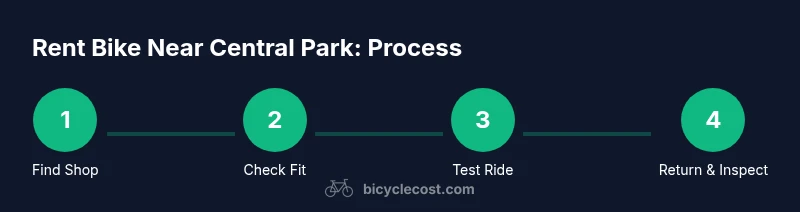
- 1
Find a rental shop near Central Park
Identify a reputable shop within a short walk from the park entrance. Compare available bike types, current promotions, and any required reservations. Confirm shop hours and whether you can reserve in advance.
Tip: Call ahead if you’re visiting on a weekend to avoid long lines. - 2
Check bike size and fit
Ask for the correct frame size based on your height and inseam. Adjust the saddle height so your leg fully extends at the bottom of the pedal stroke, with a slight bend in the knee when riding.
Tip: A proper fit reduces fatigue and prevents knee strain. - 3
Inspect the bike before renting
Test the brakes, gears, tires, and quick-release skewers. Ensure the chain shifts smoothly and tires are free of wear or embedded objects. Request a quick safety briefing from staff.
Tip: If anything feels off, swap to another bike before leaving the shop. - 4
Sign rental agreement and pay
Review the rental terms, deposit, and insurance options. Keep a copy of the receipt and note the return window. Confirm any penalties for late returns or damages.
Tip: If you’re unsure about the policy, ask for clarification before you sign. - 5
Adjust fit and do a test ride
Fine-tune saddle height, handlebar reach, and pedal position. Take a short loop to verify comfort and brake responsiveness before committing to the full ride.
Tip: A quick test ride prevents uncomfortable days on the park loop. - 6
Ride with safety in mind
Follow park rules, stay to designated bike lanes when available, and watch for pedestrians. Use hand signals when turning and avoid sudden swerves.
Tip: Keep to a conservative speed around crowded areas. - 7
Return the bike on time
Return to the shop during the agreed window. Have staff inspect for damages, and settle the final charges. Retrieve your deposit promptly after verification.
Tip: Leaving late may incur extra fees. - 8
Provide feedback or tips
Share your experience with the shop for future riders. Note any bike-specific quirks to help others choose a better-fit model next time.
Tip: Your feedback can improve safety and service quality for everyone.
People Also Ask
Do I need a helmet to rent a bike near Central Park?
Most rental shops provide helmets, and wearing one is strongly recommended. If you already own a helmet, bring it along for a perfect fit.
Most shops include helmets with the rental, and wearing a helmet is strongly advised for safety.
Can I rent a bike for half a day or more?
Yes. Shops typically offer half-day and full-day options with hourly rates. Compare total daily cost and any insurance or deposit requirements.
Yes, most shops offer half-day and full-day options with varying deposits.
Are electric bikes allowed in Central Park?
E-bike access varies by park and region. Check local policies at the shop and park rules; some districts restrict electric assist on certain paths.
E-bike rules vary; check park policies and shop guidance before riding.
What ID is required to rent a bike?
A valid photo ID is usually required, plus a credit card for a deposit hold. Some shops may accept other forms of identification.
A photo ID is typically required, along with a credit card for a deposit.
What should I do if the bike malfunctions during the ride?
Return to the rental shop or contact their support line for guidance. Many shops offer roadside assistance or prompt exchange if available.
If something goes wrong, return to the shop or contact support for assistance.
How do I get my deposit back after returning the bike?
Deposits are typically released after the bike is inspected for damages. This may take a short processing time depending on the shop.
The deposit is usually returned once the bike passes inspection.
Watch Video
Quick Summary
- Plan ahead by researching near-park rental options.
- Choose a bike that fits well to avoid discomfort.
- Follow Central Park rules for safety and enjoyment.
- Inspect equipment and test ride before committing.