Rent a Bicycle in San Francisco: A Practical Guide
Learn how to rent a bicycle in San Francisco, compare options, choose the right bike, understand pricing and deposits, and plan safe routes. A BicycleCost guide for smooth SF biking.


You can rent a bicycle in San Francisco from local bike shops, public bike-share programs, and guided-tour operators. Typical options include daily or hourly rates, varying bike models (city, road, or e-bike), and deposits. Before you ride, review helmet rules, collision coverage, and GPS or lock requirements. Knowing these basics helps you ride safely, legally, and within budget on your SF adventure.
Why Renting a Bicycle in San Francisco Makes Sense
Renting a bicycle in San Francisco offers flexibility, affordability, and a way to see iconic hills and neighborhoods up close. If you’re visiting or prefer not to own a bike in a crowded city, renting is an efficient solution. According to BicycleCost, renting a bicycle in San Francisco is a practical option for visitors who want flexibility without ownership responsibilities. You can tailor your ride to the day’s weather, route, and terrain, from flat Embarcadero paths to steep climbs in the Presidio. Many rental options include helmets and locks, and some shops offer guided tours or maps. The key is to understand how to compare providers, what to expect in terms of bike types, and how to plan for traffic and hills. With careful planning, you can enjoy safe, comfortable rides along Fisherman’s Wharf, Golden Gate Park, and the waterfront without the maintenance overhead of ownership.
This approach benefits both locals and travelers who want to explore SF at their own pace, stopping for photos, coffee, or a quick museum visit without worrying about bike storage or long-term maintenance. It also helps you tailor your experience to weather and daylight, critical factors in a city known for fog, wind, and dramatic microclimates. As you weigh options, consider the availability of helmets, locks, route maps, and customer support should you encounter a flat or a shifting derailleur along the way.
Understanding Your Options: Shops, Programs, and Tours
San Francisco hosts a diverse mix of rental options. Local bike shops stock a range of bikes from compact city bikes to road bikes and, increasingly, electric assist bikes. Public bike-share programs provide dock-based flexibility for short trips around popular corridors such as the Embarcadero, Fisherman’s Wharf, and Civic Center. Tours and guided ride operators bundle bike rental with routes and commentary, ideal for first-time visitors who want a curated experience. When comparing providers, consider bike type availability, accessibility of helmets and locks, whether a deposit is required, and what happens if you need to extend or shorten a rental. Bicycle rental shops often accommodate 1-2 hour blocks for casual rides, with full-day pricing for visitors who plan longer explorations. In peak seasons, expect higher demand and shorter booking windows, so advance reservations can save time at pickup.
BicycleCost analysis shows that availability and options expand in tourist-heavy months, making it worthwhile to shop around for package deals. If you want a mix of sightseeing and exercise, consider combining a ride with a guided route that highlights local history and skyline views.
Choosing the Right Bike for Your SF Ride
Your choice should match the terrain, distance, and rider comfort. For flat waterfront routes, a comfortable city bike with upright geometry might be ideal. For hills near the Presidio or Twin Peaks, a bike with low gears or an electric assist can make climbs manageable. Consider frame size, seat height, and handlebar reach to reduce back strain. If you’re renting for a single day of sightseeing, a standard 28- to 30-inch wheel bike provides stable handling; for longer days, consider a road or touring model for efficiency. If you’re unsure, ask the staff for a quick test ride and a size check. Some shops also offer step-through frames for easy mounting, which is helpful for riders with knee or balance concerns. Match your gear to your planned route and weather, and you’ll ride more safely and comfortably.
For those who expect variable terrain, an electric bike can smooth out steep climbs and extend your range, while a lighter city bike can offer agility and easier maneuvering through crowded streets. Trying a few options during pickup helps you feel confident on longer trips or hillier segments of the city.
Gear, Safety, and Rules
Safety gear is essential and can greatly affect your experience. Always verify whether a helmet is included with the rental or if you need to bring your own. In California, riders under 18 are required by law to wear a helmet; many rental shops extend this to all riders by policy. Equip proper lights if you’ll ride at dawn, dusk, or in foggy conditions, and carry a bell or horn to alert pedestrians. A sturdy lock helps deter theft, particularly in busy tourist areas. Check your bike’s brakes, tires, and gears before you ride, and make sure you have a basic toolkit or phone app for on-the-road adjustments. Finally, learn the local traffic rules for bike lanes, right hooks, and street crossing signals to stay safe.
Always inspect the bike before leaving the shop: verify that the brakes work smoothly, tires have adequate tread, and the gear shifting is clean. If something feels off, request a replacement or a quick tuning before you depart. This extra step can prevent flats, lost shifts, and awkward handling in busy traffic.
Pricing and What Impacts Cost
Rental prices vary by bike type, duration, and demand. City bikes are typically the most affordable option, while electric assist bikes command a premium. Availability of helmets, locks, maps, and guided tours can affect the total cost. Seasonal demand around holidays and weekends can push prices higher, and long weekend bookings may require deposits. To keep costs predictable, many shops offer bundled rates for 24-hour periods or multi-day passes. If you plan several short trips, a day pass through a shared bike program can be a cost-effective choice. Based on BicycleCost analysis, pricing is influenced by season, demand, and location, so compare a few options before locking in a rental.
Remember that some shops charge extra for accessories like child seats, panniers, or GPS devices. If you’re visiting with family or a group, inquire about group discounts or family passes. By comparing a handful of providers, you’ll often find a price range that aligns with your planned activities and budget.
Booking, Deposits, and Insurance
To rent, bring a valid photo ID and a credit card for the rental agreement and potential security deposit. The staff will inspect the bike and your fit, then record the bike’s number and your contact information. Some shops require a small damage waiver or insurance, particularly for longer rentals or higher-value bikes. Payments are typically processed at pickup, with refunds or deposit returns after the bike is returned in good condition. If you’re using a public bike-share program, you’ll often need to register online or at the station kiosk and follow dock rules for check-in and check-out. Always read cancellation policies in advance, since last-minute changes can incur fees.
Carrying proof of identity and a backup payment method can smooth the process, especially during busy weekends when lines are long and staff are juggling multiple customers.
Planning Your Route and Pickup Logistics
Plan your pickup time to avoid crowds, especially during weekends and peak tourist hours. Check bike route maps for waterfront paths and bike lanes; The Embarcadero and Crissy Field offer scenic but sometimes crowded paths—start early to enjoy clearer views. If you’re unfamiliar with SF hills, map out a route that avoids extreme climbs, or plan a mid-day rest in a cafe. Bring a charged phone for navigation and have a backup map in case data coverage is spotty. For safety, wear bright clothing and use front and rear lights in low light.
Also, consider wind patterns along the coast and the potential for rapidly changing weather. A light rain jacket can be a smart addition, and a small repair kit ensures you’re prepared for minor adjustments on the road.
Navigating Hills, Traffic, and Theft Risks
San Francisco’s hills can be exhilarating but challenging. Choose a bike with appropriate gearing or electric assistance for steep sections. Stay in bike lanes where available, and use crosswalks at busy intersections. Park only in designated bike racks and use a sturdy lock; never leave a bike unlocked or unattended in high-traffic areas. Watch for parked cars narrowing bike lanes and be mindful of door zones along urban streets. These precautions help you avoid common hazards and ensure a smoother rental experience.
If you’re riding at dusk or dawn, a reflective vest or bright gear improves visibility to motorists. Always signal turns, scan for pedestrians, and avoid sidewalk riding in areas where it’s prohibited. These habits pay off with safer, more enjoyable trips around Golden Gate Park, Chinatown, and the Mission.
After Rental: Returns, Feedback, and Next Steps
Return the bike on time and in the same condition you received it. Confirming the return with staff ensures you won’t be charged for late fees or damage. Collect any receipts and check whether your deposit has been refunded, which may take a few business days depending on the provider. If you enjoyed the experience, consider future rentals to explore new SF neighborhoods or join a guided ride. The BicycleCost team recommends keeping a short list of favorite routes and shops to streamline future trips and plan repeat visits.
Tools & Materials
- Valid photo ID(Driver's license or passport)
- Credit or debit card(Used for payment and possible deposit)
- Bike helmet(Included by some shops; bring your own if not provided)
- Lock (sturdy)(Recommended: U-lock or heavy chain)
- Navigation device(Phone with GPS or a map)
Steps
Estimated time: 60-90 minutes
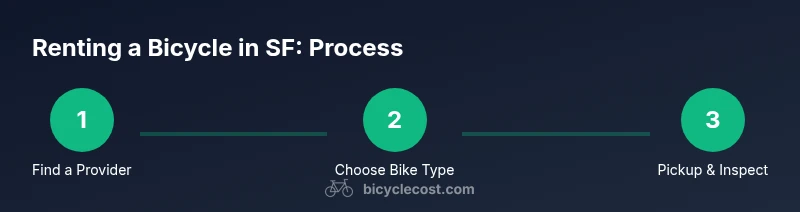
- 1
Find a rental option
Search for shops, public bike-share stations, or guided-tour operators. Compare proximity, available bike types, and pickup times. If you’re traveling, consider central locations near your hotel or transit hubs for convenience.
Tip: Call ahead to confirm bike availability and any ID or deposit requirements. - 2
Choose your bike type
Select a bike that matches your route and comfort level. City bikes are easy for beginners; road bikes cover longer distances faster; e-bikes handle hills with ease. Try a quick test ride if offered by the shop.
Tip: Ask for a size check; proper reach and saddle height improve control and reduce fatigue. - 3
Check gear and accessories
Ensure a helmet, lock, lights, and bell or horn are available. Inspect brakes, tires, and gears before leaving the shop. If any component feels off, request a replacement.
Tip: Carry a small repair kit or download a basic bike care app for on-road fixes. - 4
Review rental terms
Read the rental agreement, deposit requirements, and cancellation policy. Note the return time and the conditions under which extra charges apply. Ask about insurance options for higher-value bikes.
Tip: Document any existing damage with photos before you ride. - 5
Inspect and fit the bike
Adjust the saddle height and handlebar position for a comfortable stance. Do a quick safety check and test ride in a safe area before hitting busy streets.
Tip: Make sure you can touch the ground with your toes when seated. - 6
Plan your route
Use bike lanes and planned paths; avoid high-traffic corridors if you’re unsure. Map out rest stops and water breaks. Check forecasted weather and daylight hours.
Tip: Have a backup route in case of road construction or detours. - 7
Ride responsibly
Obey traffic laws, signal turns, and stay in designated lanes. Be courteous to pedestrians and other riders, especially in tourist-heavy areas.
Tip: Wear bright clothing and use lights during low-light conditions. - 8
Return and wrap up
Return the bike on time, confirm condition, and collect receipts. Verify deposit refund timelines and thank the staff for a smooth experience.
Tip: Keep the rental receipt until deposits are fully settled.
People Also Ask
Can I rent a bike without a credit card?
Many shops require a credit card for the rental agreement and potential deposit. Some may accept debit cards, but policies vary. Call ahead to confirm payment options and hold requirements.
Most shops require a credit card for the rental. Some accept debit cards; check with the shop before you go.
Do rental bikes come with helmets?
Helmet availability varies by provider. Some rentals include a helmet; others require you to bring your own. If helmets are not supplied, ask for a discount or bring your own.
Helmets may be included or may require you to bring your own. Check with the shop when booking.
What documents do I need to rent a bike?
A valid photo ID is usually required, along with a credit card for the deposit. Some providers may request proof of address or a second form of ID.
Bring a photo ID and a payment method; other documents depend on the provider.
Are e-bikes available for rent in San Francisco?
Yes, many shops offer electric assist bikes, which help with SF’s hills. Availability may vary by location and season, so call ahead to reserve one.
Electric bikes are often available but check ahead for stock and pricing.
Is insurance required for rental bikes?
Insurance requirements vary. Some shops offer optional insurance or waivers; read terms carefully and decide if you want coverage for added peace of mind.
Insurance options vary by vendor; read the terms and choose accordingly.
What should I do if the bike has a mechanical issue?
Notify staff immediately and request a replacement if the issue affects safety. Do not ride a bike with faulty brakes or poor gears.
If you see a problem, tell staff and get a replacement before riding.
Watch Video
Quick Summary
- Choose the right bike for terrain and comfort.
- Understand deposits, insurance, and rental terms.
- Plan routes with safety in mind and start early.
- Inspect the bike before leaving the shop.
- Return on time to avoid extra charges.