How to Become a Bike Tour Guide: Step-by-Step Guide
Learn practical, actionable steps to become a bike tour guide—from safety credentials and route knowledge to marketing your services. This BicycleCost guide provides a clear roadmap to land your first tour and grow your guiding career.


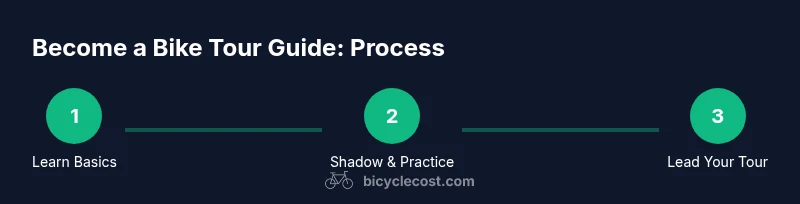
If you want to become a bike tour guide, you’ll blend riding skill with public speaking, route planning, and safety leadership. Start by establishing your safety credentials, learning local routes, and practicing your storytelling. Then build a pilot tour, shadow experienced guides, and create a reliable booking process. This step-by-step approach helps you reach your first gig faster and scale over time.
Why become a bike tour guide?
If you’re exploring how to become a bike tour guide, you’re pursuing a role that blends cycling mastery with storytelling, customer service, and risk management. It’s a career that can offer flexible hours, opportunities to explore new places, and a direct way to share your passion for riding with others. The BicycleCost team notes that successful guides often combine strong local knowledge with engaging communication and dependable safety practices. For many riders, guiding is a natural extension of years of cycling, travel, and a desire to help others enjoy the experience of a great route. In this guide, you’ll learn practical steps to build credibility, gain required credentials, and market your services while staying compliant with local rules. The path starts with foundational safety and visibility, then expands into route mastery, client relationships, and ongoing professional development.
As you pursue this journey, remember that the end goal isn’t just to ride well; it’s to lead a group confidently, keep everyone safe, and create memorable experiences. The approach to becoming a guide should be methodical: acquire training, practice publicly, gather feedback, and iterate. Using this framework, you can progress from a commuter rider to a trusted guide who can adapt tours to varying group sizes and skill levels.
Foundational qualifications and safety prerequisites
A solid foundation is essential for any aspiring bike tour guide. Start by assessing your physical readiness and comfort level leading groups of varied ages and abilities. Most jurisdictions expect guides to know basic bike maintenance, hand signals, and safe riding practices. Safety certifications such as first aid or CPR are highly valued and can be a prerequisite for many tour companies. Equally important is liability awareness; you should understand waivers, release forms, and standard operating procedures for minor incidents. Wearing a proper helmet and high-visibility gear is non-negotiable for daytime and evening tours. Always verify that your own bike and gear meet safety standards before leading a ride. Finally, establish clear boundaries and communicate expectations with participants so everyone knows what to do in case of a missed turnout or weather-related disruption.
Mastering route knowledge and storytelling
To answer the question of how to become a bike tour guide, you’ll need to become a local expert. Build a route library with variations for different group sizes and skill levels, and map out safety check points along the way. Learn the historical and cultural context of each stop, so your narration feels natural rather than scripted. A compelling guide weaves practical information with stories, jokes, and timely pauses to keep the group engaged without rushing. Practice delivering short, memorable narratives that can be adapted on the fly if the group’s pace changes. Pair the route insights with practical logistics like turn-by-turn cues, meeting points, and contingency plans for weather or bike issues. This combination of knowledge and delivery is what elevates a good guide to a trusted one.
As you collect local data and anecdotes, you’ll also want to test your content with friends or family to refine pacing and clarity. The best guides tailor their material to the audience, whether it’s families, corporate teams, or serious cyclists. Your local culture, landmarks, and hidden gems become the backbone of your tours, differentiating you from generic rides and creating repeat customers who value personalized experiences.
Develop guiding skills: communication, pacing, and safety
Effective guiding hinges on communication. Practice speaking clearly with a steady, confident rhythm and maintain eye contact with your group. Develop a pacing plan that accommodates beginners who may need more time at intersections or scenic spots, while ensuring faster riders aren’t left behind. Anticipate hazards and verbalize your safety strategies so participants know what to expect. Customer service skills are essential: greet people warmly, manage group dynamics, and handle disruptions calmly. Your voice, posture, and body language convey authority and reassurance, which is crucial for mixed-ability groups. Lastly, rehearse your emergency protocols—like signaling for medical help, navigating to the nearest exit, or remote assistance—so you’re prepared for unforeseen events on the road.
Your confidence as a guide grows with repetition, feedback, and deliberate practice. Solicit observations from shadowing guides or mentors and implement changes that improve safety and flow. A well-paced tour balances storytelling with movement, keeping everyone engaged while maintaining a predictable cadence that minimizes fatigue and confusion.
Certifications, licensing, and insurance considerations
Certification isn’t always mandatory to guide a bike tour, but many employers expect you to have baseline safety training and insurance. Start by checking local regulations and tourism or city authority requirements for operating paid tours. Obtain a basic first aid/CPR certification and familiarize yourself with legal waivers and risk disclosures relevant to your area. If you plan to run your own tours, you’ll need to secure business insurance that covers general liability, equipment, and possible injuries. Consider professional liability coverage to protect against claims related to instruction, route hazards, or crowd management. Finally, maintain proper documentation for any permits or licenses required by your city or state, and keep records of route approvals, maintenance checks, and incident reports for transparency and accountability.
Gear, equipment, and personal readiness
Being a great bike tour guide also depends on having the right gear. Your bike should be in excellent working order, with brakes, tires, and gearing checked regularly. A high-visibility vest or bright apparel helps you stay visible, especially in urban or dim conditions. Carry a compact repair kit, spare tubes, a pump, and a multitool for on-route fixes. A reliable helmet, gloves, and sturdy footwear are essential for comfort and safety. Bring a small first-aid kit, water, snacks, and a charged phone with offline maps and emergency contacts. Don’t overlook weather-appropriate clothing and sun protection. You’ll also need a simple checklist to verify gear before each tour to prevent avoidable issues that could derail a ride.
Training pathways: internships, shadowing, and practice rides
Structured training accelerates your path from hobbyist to professional guide. Seek internships or shadow experienced guides to observe route planning, pacing, and crowd management in real-world settings. Organize practice rides with friends or local cycling clubs to test your routes and narration under different conditions. Gather feedback on your delivery, timing, and safety protocols, then refine your content. Create a personal development plan that includes monthly goals, a portfolio of routes, and a sample tour script. Regular practice builds confidence and increases your reliability in front of diverse groups. Use this phase to establish your guiding voice and a consistent approach you can adapt for different audiences.
Building your client base: marketing, pricing, and partnerships
Market positioning is critical to long-term success. Define your niche—family-friendly rides, technical skill clinics, historical city tours, or scenic countryside routes—and tailor your messaging to that audience. Research typical price ranges for your area and test pricing with pilot tours to gauge demand without undervaluing your time. Forge partnerships with local bike shops, hotels, travel agencies, and tourism boards to generate referrals. Build a simple online presence with a calendar of available tours, clear booking steps, and authentic reviews. Collect feedback after each tour to improve offerings and boost word-of-mouth marketing. The most successful guides cultivate strong relationships with partners who want repeat experiences for their clients or guests.
On-tour safety and incident response: handling emergencies
Safety planning should be integral to every tour. Before you roll out, confirm a clear incident response plan that includes roles, communication steps, and evacuation routes. Keep a charged phone, know the nearest hospital or urgent care, and have a designated meeting point in case participants wander. Practice running through emergency scenarios with your group so responses feel automatic rather than panicked. Document all incidents and review them after rides to identify improvements. A calm, methodical approach to emergencies reassures participants and protects your reputation as a reliable guide.
Career progression and long-term opportunities
As you gain experience and positive reviews, you’ll have opportunities to advance from a solo guide to a senior or lead role, or to join a tour company as a head guide. Long-term options include creating specialized itineraries, offering corporate trainings, or starting your own guided-bike business. Build a portfolio of routes, a clear value proposition, and a track record of safe, engaging tours to aid negotiations with potential partners or investors. Continuous learning—such as city planning, urban design insights, or advanced first aid—can help you tailor higher-end experiences and expand into new markets.
Common mistakes and how to avoid them
New guides often stumble when they overpromise or neglect safety. Avoid overloading tours with information or rushing through routes; this alienates riders and increases risk. Don’t skip safety checks, route rehearsals, or weather planning. Inconsistent pricing or unclear booking processes lead to disappointed clients and cancellations. Finally, failing to follow local regulations can jeopardize your ability to operate; always verify permits, licenses, and insurance requirements and stay current with changes in rules or guidance from tourism boards.
Tools & Materials
- Bike in good working condition(Check brakes, tires, and chain before each tour)
- Helmet(CE or equivalent safety standard)
- First-aid kit(Include basic bandages, antiseptic, and safety items)
- Hi-visibility clothing/vest(Improve visibility in all lighting conditions)
- Spare tubes and pump(For flats on the trail or road)
- Multitool/patch kit(For on-route minor repairs)
- Front and rear lights(Useful for dawn/dusk tours)
- Phone with offline maps(GPS, emergency contacts, and route data)
- Water bottle and snacks(Stay hydrated and energized on longer rides)
- Clipboard or notes(For checklists and trip notes)
Steps
Estimated time: 8-12 weeks
- 1
Define your guiding niche and market
Identify the audience you want to serve (families, beginners, history buffs, or photo tours). Research demand, session length, and preferred routes. Clarify your value proposition and starting price.
Tip: Speak with local shops about what clients want on tours. - 2
Acquire safety credentials
Enroll in basic first aid/CPR and safety training relevant to cycling. Obtain any mandatory certifications for your municipality or tour company.
Tip: Keep certs current and renew before expiration. - 3
Build a local route library
Create variations for different group sizes and skill levels. Map points of interest, safe stopping spots, and emergency exits.
Tip: Test routes at different times to understand traffic patterns. - 4
Shadow experienced guides
Volunteer or work with a mentor to observe pacing, narration, and crowd management. Note what works and what can be improved.
Tip: Ask for specific feedback on your narration and timing. - 5
Pilot a small tour
Run a pilot ride with friends or a discount audience. Gather feedback on safety, content, and pacing.
Tip: Offer a post-tour debrief to learn how to improve. - 6
Develop your brand and pitch
Create a clear tour description, pricing, and booking flow. Build an online presence and solicite testimonials.
Tip: Keep your messaging simple and authentic. - 7
Launch booking channels
Set up a booking calendar, payment method, and cancellation policy. Partner with local businesses to offer packages.
Tip: Offer a feedback loop to refine experiences continually. - 8
Scale while maintaining safety
Add more routes gradually, hire additional guides, and standardize procedures to preserve quality and safety.
Tip: Document SOPs so new guides can onboard quickly.
People Also Ask
What licenses or permits do I need to be a bike tour guide?
Licensing requirements vary by city. Check local tourism or business regulations and obtain any permits or licenses required to operate paid tours in your area.
Licensing varies by city. Check local regulations and obtain any required permits.
Is formal certification required to guide bike tours?
Formal certification isn’t always required, but safety training, first aid, and knowledge of tour operations are highly valued by employers.
Certification isn’t always required, but safety training is important.
How much can I earn as a bike tour guide?
Income depends on location, demand, and whether you work for a company or run your own tours. Start with reasonable pricing while prioritizing safety and quality.
Earnings depend on location and whether you guide for a company or yourself.
Should I shadow an experienced guide before leading tours?
Shadowing provides real-world experience, helping you learn crowd management, route timing, and customer service before going solo.
Shadowing helps you learn timing and safety.
What safety gear is essential on bike tours?
Always wear a helmet, carry a first-aid kit, lights, repair tools, and high-visibility gear; have a plan for emergencies.
Helmet, first aid, lights, tools, and visibility gear are essential.
How can I quickly build a client base?
Partner with local shops and hotels, offer introductory rides, gather reviews, and maintain a reliable, safe experience to encourage referrals.
Partner with local shops and hotels, and collect reviews.
Watch Video
Quick Summary
- Define your niche and market clearly.
- Gain essential safety credentials before leading.
- Shadow, practice, and pilot tours first.
- Build partnerships to market effectively.
- Always prioritize rider safety and clear communication.